5 Things that Happen to Your Heart During Pregnancy
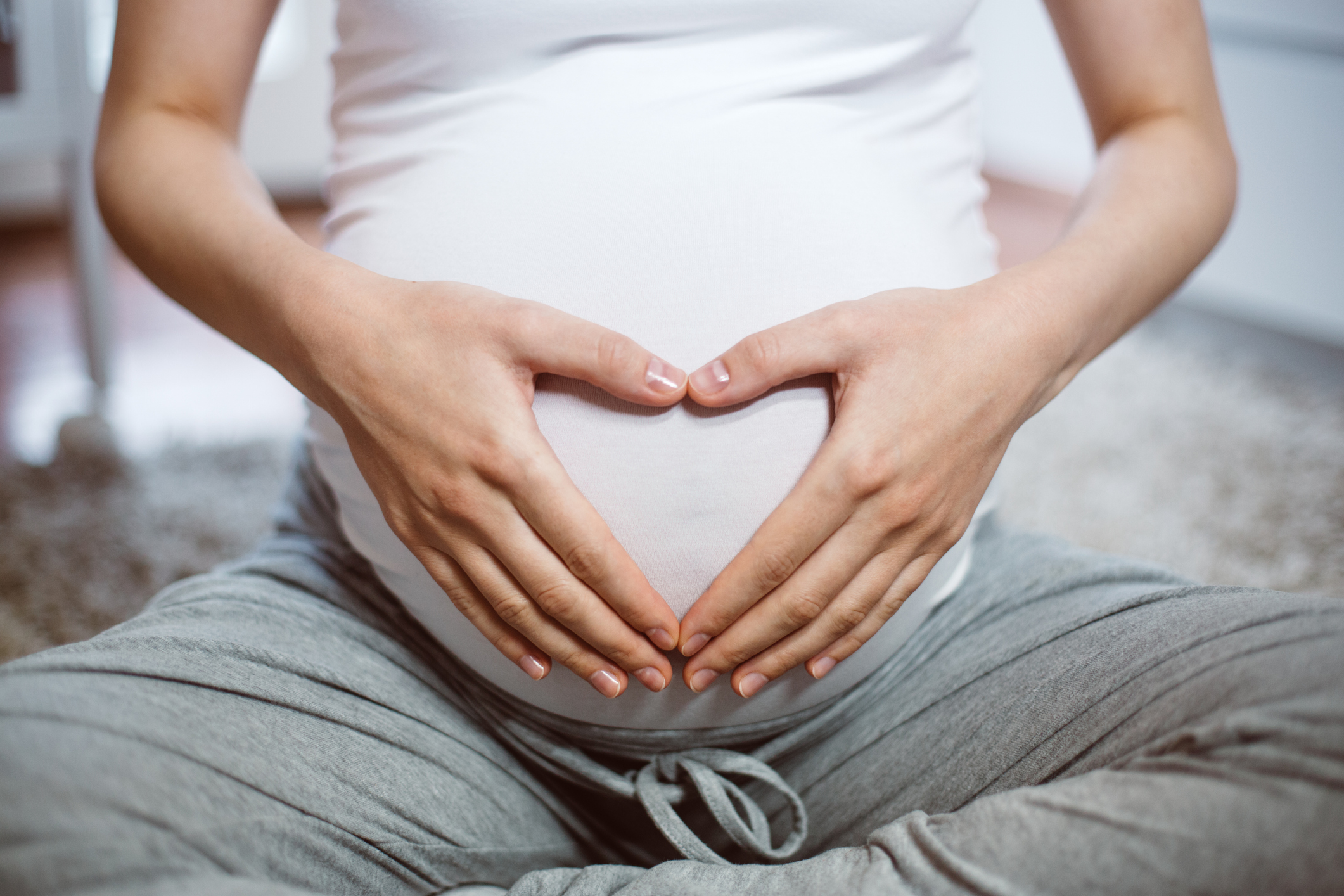
Expecting a new baby can make your heart sing – but it also makes your heart work harder and undergo some significant changes.
Here OB/GYN, Jeffrey S. Illeck, MD, shares what you should know to keep you and your baby safe and healthy throughout your pregnancy.
The heart builds more massYour heart doesn’t actually grow during pregnancy, but it undergoes a “remodeling.” The heart builds new muscle mass to help your body handle the increased blood supply needed to deliver oxygen and nutrients to your growing baby.
“During pregnancy, the heart undergoes remodeling that is similar to what is observed in elite athletes: the chamber dimensions change, the left ventricular wall changes thickness and mass,” Dr. Illeck said. “Your baby’s heart is growing, and so is yours.”
Blood volume increases
The reason your heart changes during pregnancy is to handle the incredible surge in blood volume needed to help your baby develop – which is a lot.
“At about 10 to 12 weeks of pregnancy, the body undergoes significant blood volume changes, with most of the increase made up of plasma, the liquid that carries blood cells and other substances throughout your body,” Dr. Illeck said. “By the end of your pregnancy, your blood volume will nearly double.”
Cardiac Output Changes
If you feel out of breath during pregnancy, there is a reason why.
“The amount of blood your body pumps in one minute is known as your ‘cardiac output.’ During pregnancy, your cardiac output increases, peaking at a 30 to 50% increase by 16 to 20 weeks of gestation,” Dr. Illeck said. “While your cardiac output levels out during the last half of your pregnancy, that dramatic increase causes many women to feel out of breath, initially. However, if the shortness of breath is severe, or if it doesn’t level off after 20 weeks, talk with your OB/Gyn and your cardiologist.
Blood Pressure Fluctuates During Pregnancy
During the early stages of pregnancy, the body produces progesterone, a hormone that relaxes the uterus and naturally causes your blood pressure to go down until about week 24.
“When your blood pressure starts to rise again, your doctor will start checking your blood pressure at every visit to make sure it is not rising too high or too fast, which could be a sign of a potentially serious complication called preeclampsia, or gestational hypertension,” Dr. Illeck said. “This is a major cause of maternal stroke and kidney failure, and it can disrupt blood flow to the placenta. The only cure is delivery – which could mean your baby is born prematurely.”
Pregnancy Increases Metabolic Demands
Eating for two (or three, if you’re carrying twins)? Yes, actually.
“The pregnant body expends more energy to support fetal growth and placental development, as a result, there are changes to the body’s energy needs, especially during the second half of pregnancy,” Dr. Illeck said. “These demands can exacerbate pre-existing heart conditions, so if you know you have heart issues, tell your doctor before you plan to get pregnant and work with your cardiologist and OB/Gyn.”
Underlying heart conditions warrant special attention during pregnancy
“Women with underlying cardiac conditions should work with their cardiologist and OB/Gyn to ensure a successful pregnancy and delivery,” Dr. Illeck said.