How the Mind-Gut Connection Affects Total Health
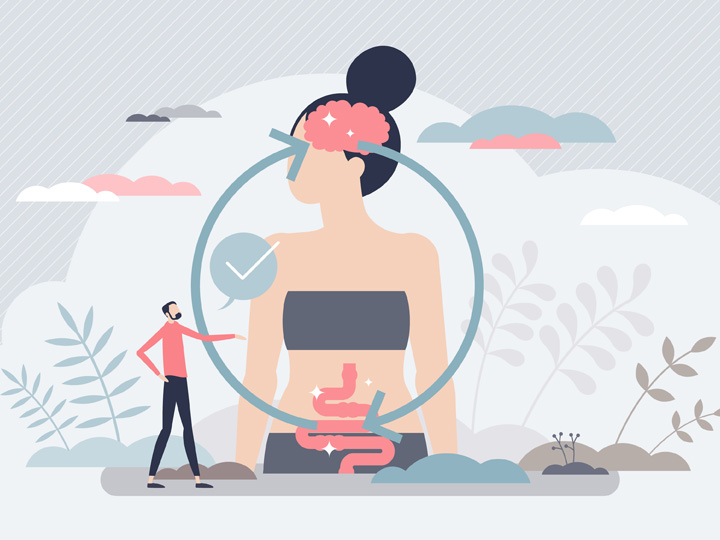
As a colorectal surgeon, I address complex intestinal issues with state-of-the-art interventions. Fortunately for most people, the key to a healthy digestive system isn’t that complicated. A proper diet, regular exercise, and stress reduction all help create a healthier and happier gut.
The “mind-gut connection” influences how you think and feel. Imagine a marathon runner nervous at the start of a race who runs to the bathroom first. Or how a Thanksgiving feast can leave you feeling sluggish and tired.
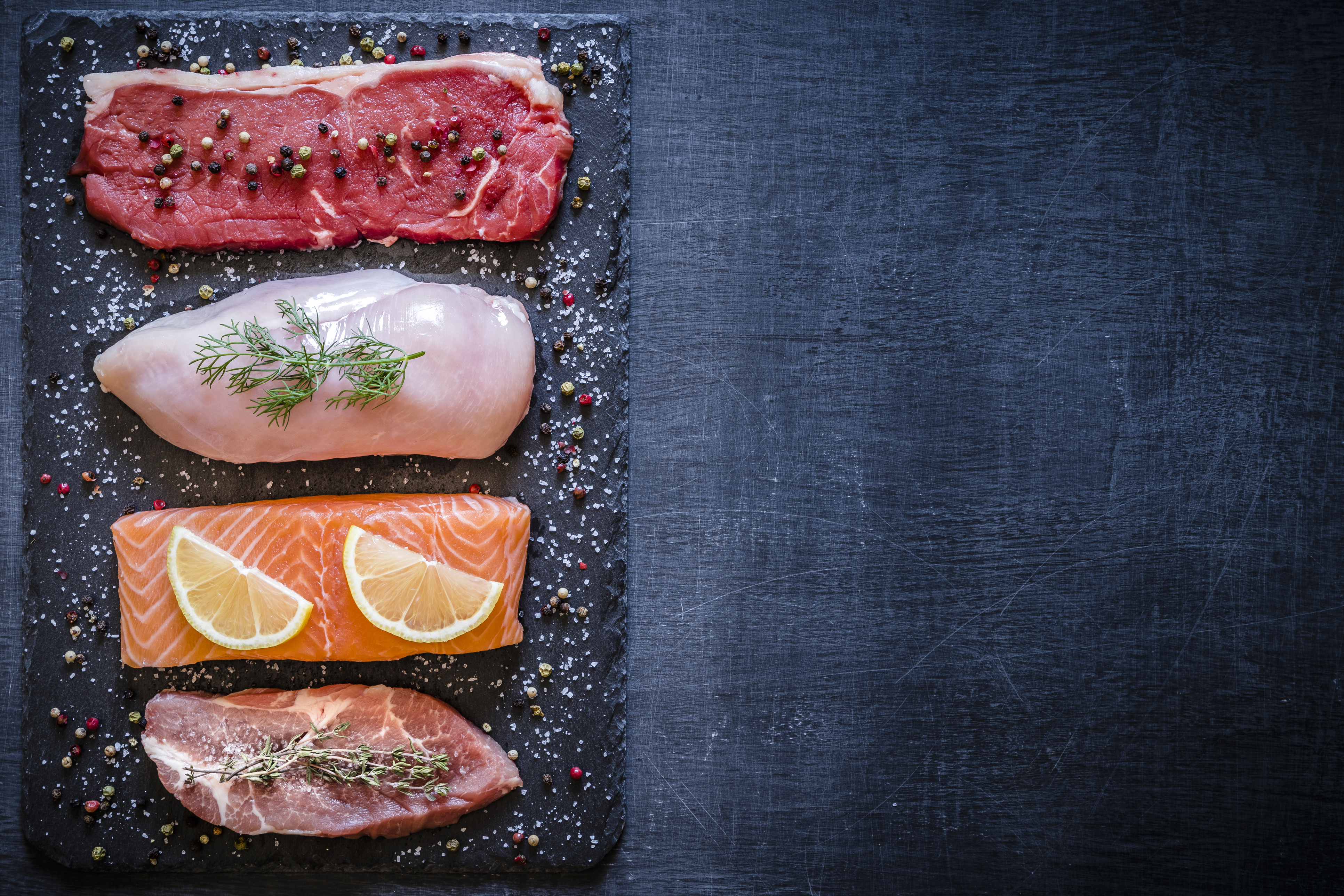
The foods we eat play a big role in how we feel and how our bodies perform. For example, diets rich in fiber and omega-3-polyunsaturated fatty acids have reduced depression, anxiety, and stress risk. Researchers have established that behavioral interventions can affect irritable bowel syndrome, just as dietary changes can affect a person’s mood. New research investigating the source of our appetites has even uncovered an entirely new connection between the gut and the brain that drives our desire for fat.
By keeping portions small and packed with fresh fruits and vegetables, we not only keep our bodies healthy but also improve our moods and mental health. Try to avoid excessive sugar and processed foods and drink up! Hydration is key for healthy intestinal function. Aim for 64-80 ounces of non-caffeinated, non-alcoholic fluids daily.
How does the mind-gut connection work?
Our intestines prefer a specific pH level. Bacteria helps to break down food and to achieve the ideal pH for a healthy microbiome. The key is making sure your gut is filled with “good” bacteria. Eating diverse foods helps, including adding probiotics to your diet. Probiotics help break down foods to maintain or restore the natural pH balance of your gut. Natural probiotics are found in certain fermented foods like yogurt, kefir, sourdough bread, sauerkraut, and kimchi. They’re also available in supplements, but ask your doctor what form of probiotic is right for you.
Just as eating well can improve your mental health, reducing stress can improve your digestive health. Stress-reducing activities such as walking, yoga, meditation, and listening to music promote good digestion. Creating peace within allows our bodies to perform their best.
Support a healthy mind-gut connection by focusing on diet and reducing stress. Start by taking small steps to improve your health daily with proper nutrition, daily reflections, and fortifying your microbiome with natural probiotics.
Elizabeth R. Raskin is a colorectal surgeon, Hoag Memorial Hospital Presbyterian, Newport Beach, CA.
By: KevinMD.com