Rattlesnake Bite: Symptoms, First Aid and How to Stay Safe Outdoors
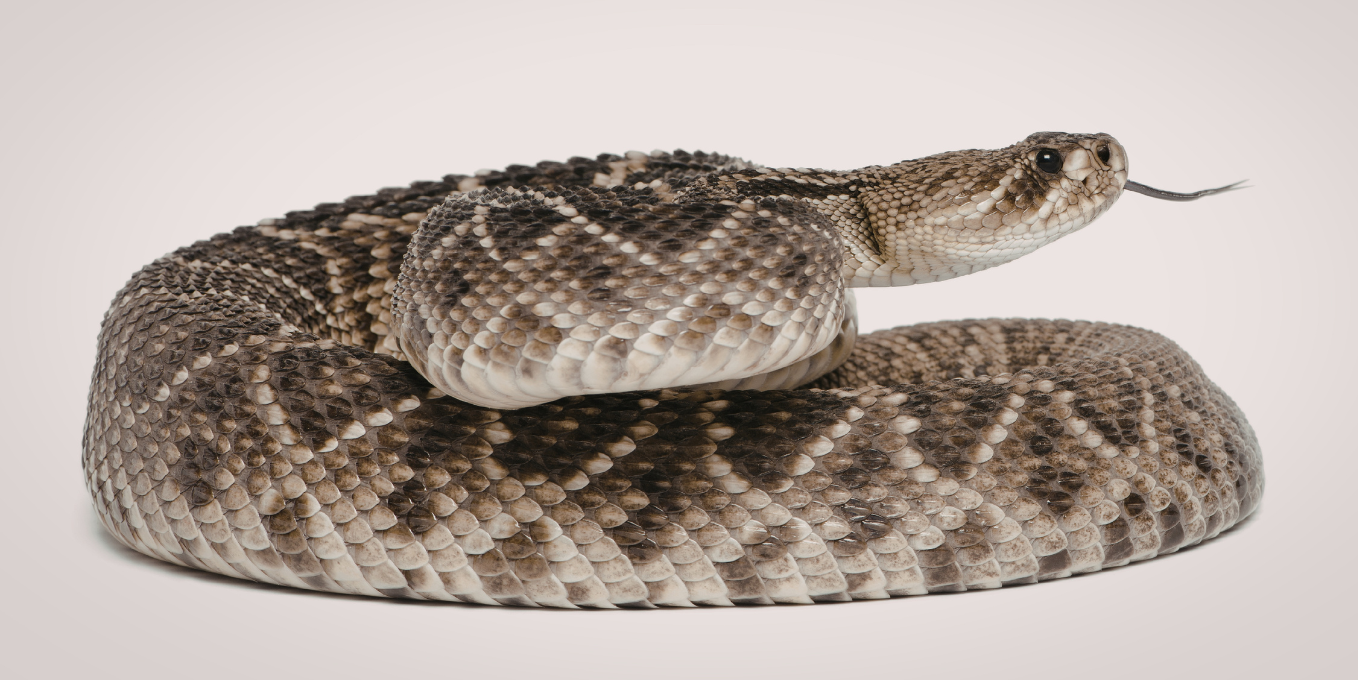
Unseasonably hot weather has jumpstarted rattlesnake season earlier than usual in Southern California — with potentially dangerous consequences.
The Orange County Coroner’s Office recently reported that an Irvine resident died from complications related to a rattlesnake bite. Medical experts at Hoag are reminding hikers, joggers and cyclists to stay alert while enjoying Orange County’s sun-exposed trails.
“If you are bitten by a venomous snake, it is critical to seek emergency care immediately,” says Dr. Mona Sedghian, a Hoag internal medicine specialist. “Snake venom can affect multiple systems in the body and may lead to serious complications, including significant swelling, blood-clotting problems and muscle damage.”
While deaths from snake bites are rare, the Centers for Disease Control and Prevention reports between 7,000 and 8,000 bites occur in the United States each year. Prompt medical treatment significantly reduces the risk of serious complications.
With heat waves rolling in and out of Orange County, Dr. Sedghian shares important safety tips for outdoor enthusiasts:
Wear closed-toe shoes or boots that cover the ankles.
Stay on clear trails and avoid tall grass, brush or rocky areas where snakes may hide.
Watch your footing and surroundings, especially during warm weather when snakes are more active.
If you hear a rattling sound or see a snake, stop and slowly move away.
Give snakes plenty of space — experts recommend keeping at least 10 feet away.
Never attempt to handle, capture or kill a snake. Many bites occur during these encounters.
Hike or exercise with companions when possible so someone can get help if needed.
Rattlesnake bites can cause symptoms that develop over minutes to hours. Early signs often begin near the bite site.
Early symptoms may include:
Pain and swelling at the bite site, typically starting within 30–60 minutes and sometimes spreading up the affected limb
Redness, warmth, bruising or blistering around the bite area
Nausea, dizziness, sweating, or tingling around the mouth or fingers
An unusual metallic or minty taste in the mouth
Signs of more serious envenomation may include:
Rapidly worsening pain or swelling
Significant bruising or bleeding from the wound, gums or nose
Severe nausea, vomiting or abdominal pain
Weakness, muscle twitching or difficulty speaking
Difficulty breathing
Confusion, fainting or extreme drowsiness
Fast heartbeat, heavy sweating or low blood pressure
Severe symptoms — particularly difficulty breathing, confusion, heavy bleeding, or rapidly worsening swelling — require immediate medical attention.
If you are bitten by a rattlesnake, Dr. Sedghian recommends seeking emergency care immediately. While waiting for help:
Limit movement and keep the affected area as still as possible.
Position the bitten limb below the level of the heart if possible.
Remove rings, watches or tight clothing near the bite to allow for swelling.
Gently clean the area with soap and water if available.
Do not apply ice or a tourniquet, and do not attempt to cut or suction the wound.
“One of the most effective ways to prevent snakebite injuries is through education,” Dr. Sedghian says. “Children are naturally curious, so modeling safe behavior outdoors helps them learn to respect wildlife and avoid unnecessary risks.”