The Benefits of Staying Fit After 50
By Marvin Dang, DO, Sports Medicine, Hoag
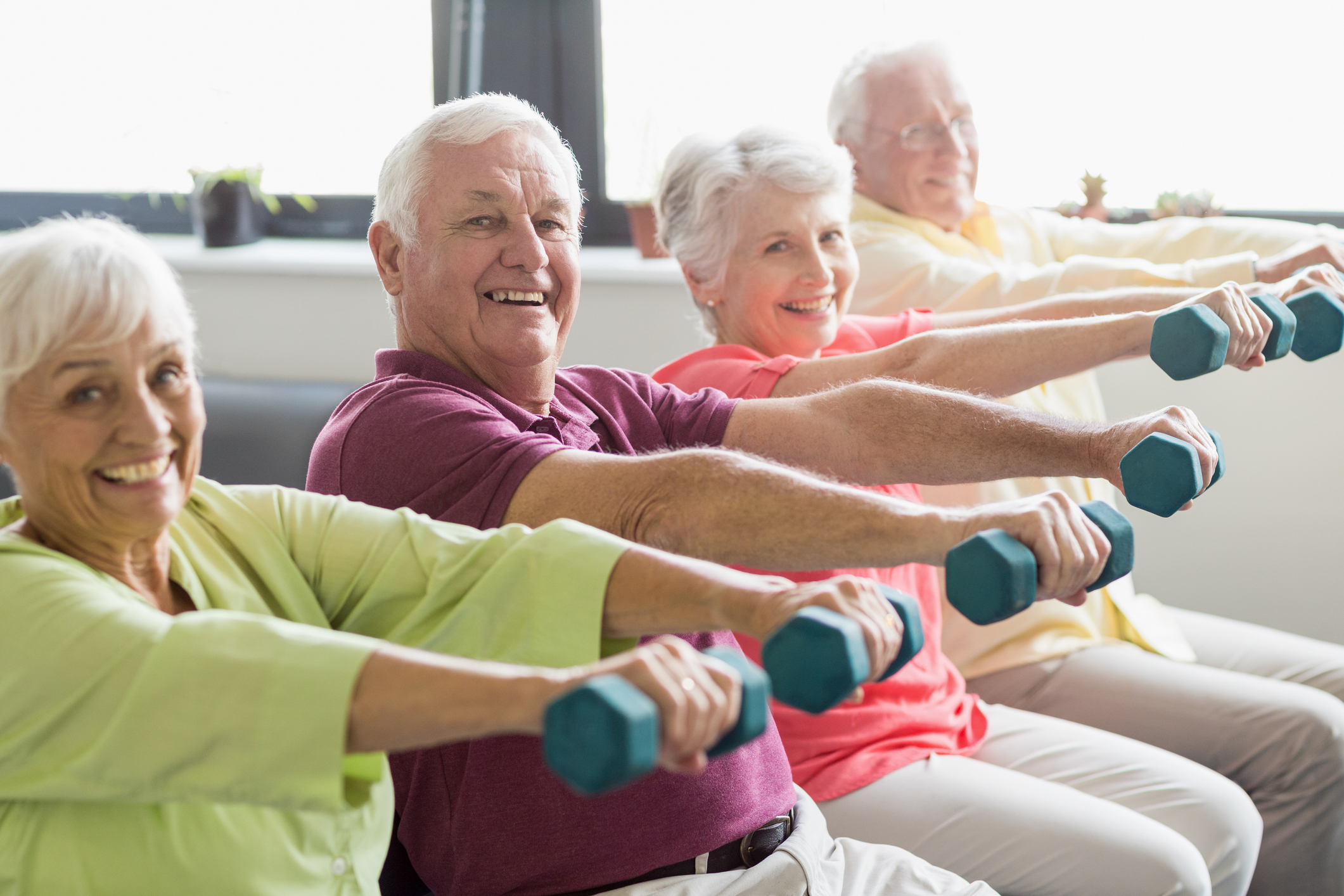
You’ve likely heard the phrase: “The best time to plant a tree was 20 years ago. The second-best time is now.” The same applies to movement, especially strength, resistance, and aerobic training. While starting younger has lifelong benefits, it’s never too late to begin. In fact, starting after 50 can be one of the most powerful decisions you make for your long-term health.
Strength and aerobic training support more than just your muscles. They benefit your heart, bones, brain and more. Understanding why it matters, especially after 50, can help you move forward with confidence.
Why Strength Training Matters More as You Age
As we age, the body loses muscle mass in a process called sarcopenia, or age-related muscle loss. From ages 40 to 50, we lose about 0.5% to 1% of muscle mass per year, and that rate doubles after age 50. This results in increased risk of falls, decreased physical function, and higher rates of hospitalization. Resistance, or strength training has been shown to slow down this process.
Benefits of Strength Training
Cardiovascular Health: Strength training supports heart health. In fact, studies show that people who regularly engage in strength training have a 17% lower risk of cardiovascular disease, including stroke and heart attack.
Bone Health: It also helps preserve and build bone density. This is especially important for postmenopausal women, who may lose up to 2% of bone density each year due to lower estrogen levels. Loading the bones with external weight helps to increase bone density and reduce the risk of osteoporosis and injuries like hip fractures.
Brain Health: Strength training benefits the brain, too! Just two to three 45-minute sessions per week over 12 weeks have been shown to improve cognitive abilities like decision making and memory.
The Power of Aerobic Exercise After 50
Aerobic activities benefit the body in many ways. They can boost cardiovascular health, improve metabolic function, support bone density, and keep you sharp.
Benefits of Aerobic Exercise
Cardiovascular Health: One of the well-known cardiovascular benefits of aerobic exercise is improved blood vessel function which decreases the stiffness of the arteries. This helps offset the loss of estrogen’s benefits on blood vessels as we age.
Insulin Sensitivity: Aerobic exercise increases insulin sensitivity, allowing the body to more efficiently and effectively process glucose. It also helps muscles absorb more glucose through GLUT-4 receptors, which can reduce hemoglobin A1c levels as much as 0.7%.
Bone Health: Engaging in aerobic exercise can stimulate bone-building cells called osteoblasts. It also slows bone loss, helping to maintain bone density and reduce the risk of osteoporosis.
Brain Health: Aerobic activity increases blood flow to the brain, helping to offset circulation issues and arterial stiffness that can contribute to cognitive decline. It can also enhance neuroplasticity, the brain’s ability to form new connections to adapt and learn.
Final Takeaway
Whether you’re 50, 60, or beyond, movement is a powerful tool for health and wellness, and it’s never too late to begin. Starting a strength and aerobic training routine now can improve your quality of life for years to come. Talk to your doctor or a qualified trainer about how to get started.
Learn about Hoag Sports Medicine.