- About
- Procedures & Treatments
- Meet the Team
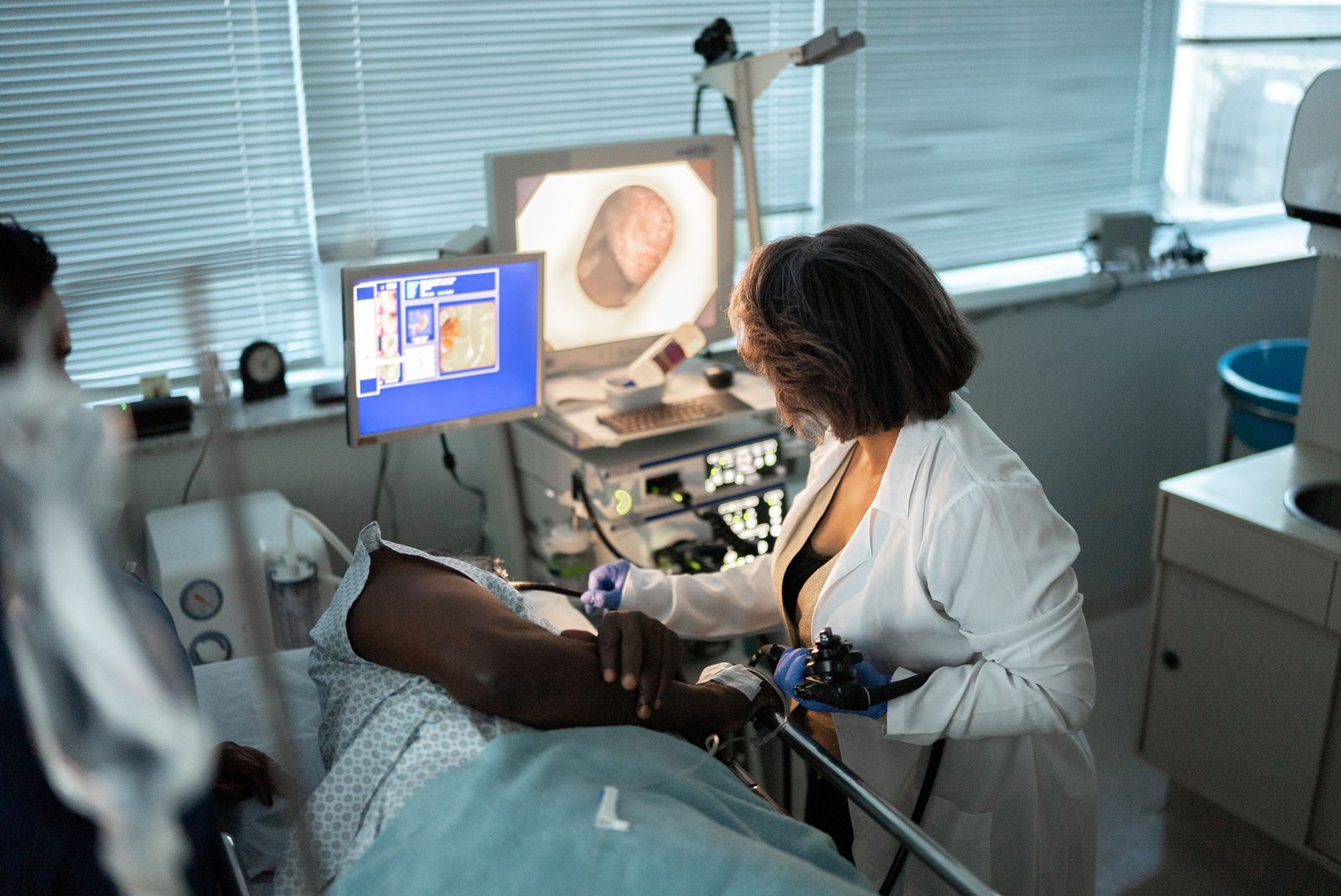
Advanced endoscopy at Hoag offers several advantages over traditional endoscopy techniques. These benefits make it a valuable tool in diagnosing and treating various digestive health conditions.
Enhanced Visualization

Minimally Invasive Benefits

Targeted Treatments Customized to Patient Needs

Better Patient Experience/Decreased Pain & Discomfort

Your digestive care starts here
1
Find the right provider
Get care from medical providers that fit your needs in a location near you.
Find a provider2
Explore Digestive Health Resources
See all resources3
Get in Touch
Didn’t see what you’re looking for? Reach out and we’ll make sure you get what you need.
Contact usAdvanced Endoscopy Treatments
Anorectal manometry
Anorectal manometry (AKA anal manometry) is a diagnostic procedure that evaluates the function and strength of the muscles and nerves in the rectum and anus.
Bravo pH Test
Bravo esophageal pH monitoring is a minimally-invasive test used to measure acidity (pH) inside the esophagus, usually over a period of between 48 and 96 hours.
Capsule Study
Small bowel capsule endoscopy (AKA video capsule endoscopy or capsule endoscopy) is a diagnostic imaging test that involves swallowing a tiny, wireless camera about the size of a large vitamin pill. This allows doctors to visualize the full interior of the digestive system, including the small intestine.
Colonoscopy
Colonoscopy is a procedure that allows a health care provider to visually examine the inner lining of the large intestine, including the entire colon and rectum.
Endoscopic Retrograde Cholangiopancreatography (ERCP)
Endoscopic retrograde cholangiopancreatography (ERCP) is a diagnostic procedure that utilizes X-rays and a technique known as upper gastrointestinal endoscopy to diagnose and potentially treat issues associated with the bile ducts.
Endoscopic Ultrasound (EUS)
Endoscopic Ultrasound (EUS), also known as endoscopic ultrasonography, is a diagnostic technique that allows doctors to get a clearer view of issues involving the liver and bile ducts by combining ultrasound with the use of a special device called an endoscope.
Endoscopic Weight Loss
Endoscopic weight loss procedures are a newer type of minimally invasive, non-surgical procedures.
Esophageal Manometry
Esophageal manometry is a diagnostic test that measures muscle contractions in the esophagus, which is the muscular tube that connects the throat to the stomach.
Esophagogastroduodenoscopy (EGD)
Esophagogastroduodenoscopy (EGD) is an endoscopic procedure that utilizes a small, flexible camera called an endoscope that’s passed down the throat, allowing doctors to view the esophagus, stomach and duodenum, which is the initial portion of the small intestine.
Fiberoptic Endoscopic Evaluation of Swallowing
Fiberoptic Endoscopic Evaluation of Swallowing, commonly referred to as a FEES Study, is a specialized medical procedure that allows doctors to make a direct visual assessment of a patient’s swallowing process.
Gastroduodenal Manometry
Gastroduodenal manometry is a specialized test that measures the muscle contractions and pressure changes that occur in the stomach and upper intestine (AKA the duodenum) as food moves through the GI tract.
GI Genius
The GI Genius Intelligent Endoscopy Module is a medical device that utilizes artificial intelligence to help physicians detect colorectal polyps during colonoscopy, including those that may be flat and small, making them hard to detect.
Omega Fluoroscopy System
FluoroShield™ is a advanced form of interventional fluoroscopy that utilizes Artificial Intelligence (AI) to reduce and manage the amount of radiation delivered during the procedure.
Peroral Endoscopic Myotomy (POEM)
POEM is an endoscopic procedure where a flexible tube with a camera is inserted into the mouth to the esophagus and a small cut is made at the lower end of the esophagus.
Transoral Incisionless Fundoplication (TIF) / (cTIF)
Transoral incisionless fundoplication (TIF) is a minimally invasive, non-surgical procedure that corrects a weakened esophageal sphincter, which causes chronic gastroesophageal reflux disease (GERD).
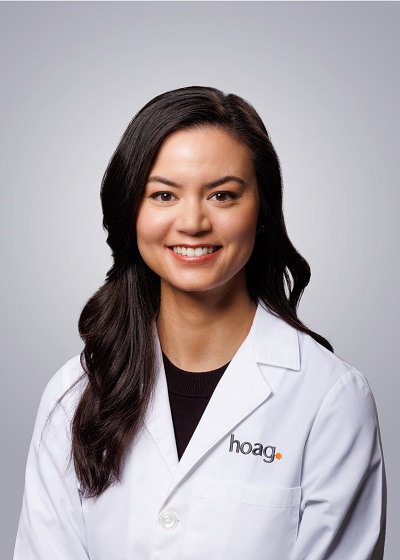
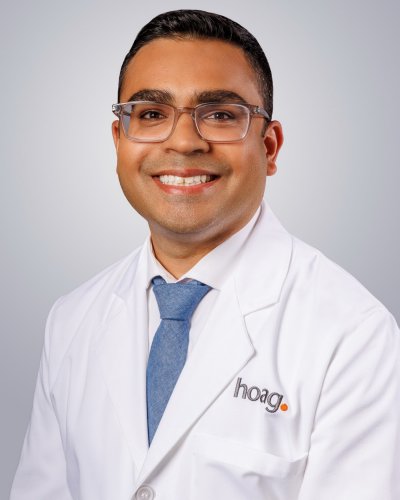
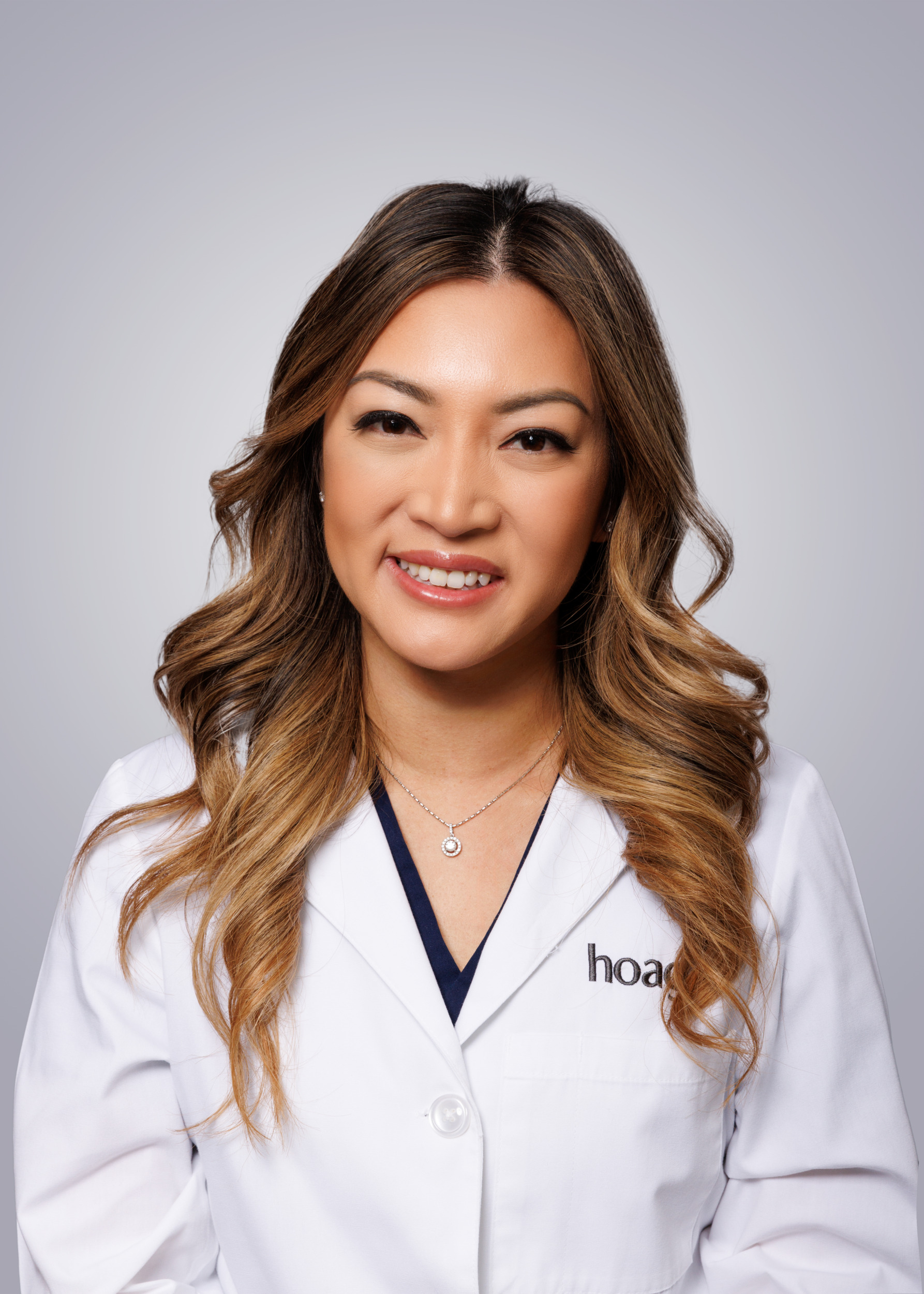
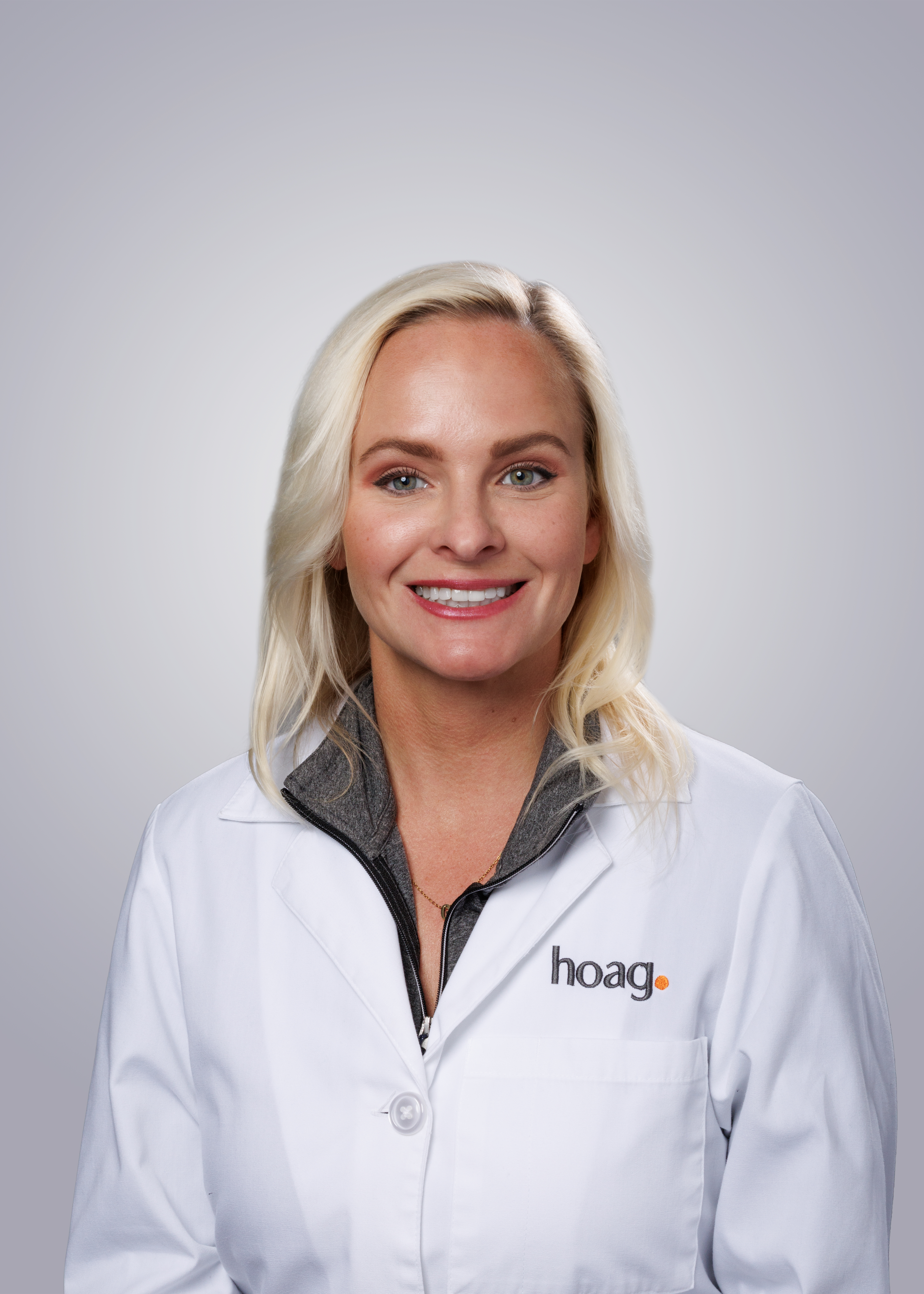
Meet Our Advanced Endoscopy Team
Endoscopy Specialists

Kenneth J. Chang, MD
James & Pamela Muzzy Executive Medical Director Endowed Chair in GI Cancer, Digestive Health Institute, Gastroenterology

Paul J. Korc, MD
Medical Director Hoag GI Lab, Gastroenterology

Phuong T. Nguyen, MD
Medical Director of Hoag Advanced Endoscopy Center, Gastroenterology

Jennifer Phan, MD
Medical Director, Hoag Irvine Advanced Endoscopy, Director of Bariatric Endoscopy, Gastroenterology

Ravi J. Kankotia, MD
Gastroenterology

Hali Pham, NP-BC
Nurse Practitioner
Stay up-to-date on the latest news from Hoag
By submitting this request, you agree to receive communications from Hoag and accept our Privacy Policy and Terms of Use.