Inquire Now
Aortic Program
Jeffrey M. Carlton Heart & Vascular Institute
- About
- Services
- Conditions
- Diagnostics
- Meet the Team
Common Conditions
Connective tissue diseases are genetic conditions caused by mutations that weaken the body’s connective tissues, which provide strength and flexibility to structures like blood vessels, bones, skin, and organs. These disorders often affect the aorta and cardiovascular system, increasing the risk of serious complications such as aneurysms, dissections, and ruptures.
An aortic aneurysm is a medical condition in which the aorta – the body’s largest and most critical blood vessel, which runs from the heart to the lower abdomen – becomes abnormally enlarged and develops a significant bulge.
The Elaine & Robert Matranga Aortic Center at Hoag is a comprehensive program that provides a multidisciplinary, integrated team approach to caring for complex aortic disease.
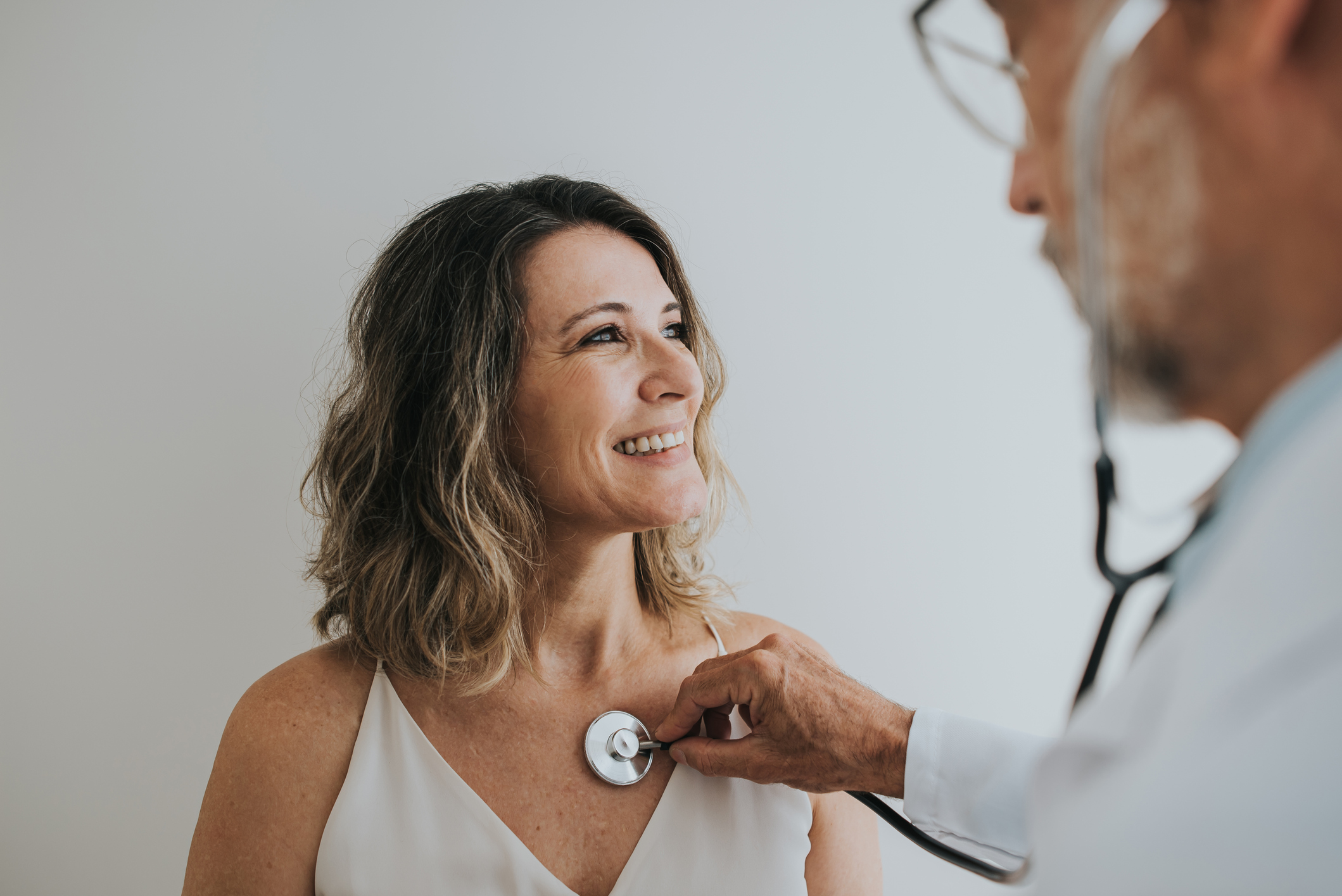
Designated Cardiovascular Receiving Center by Emergency Medical Services
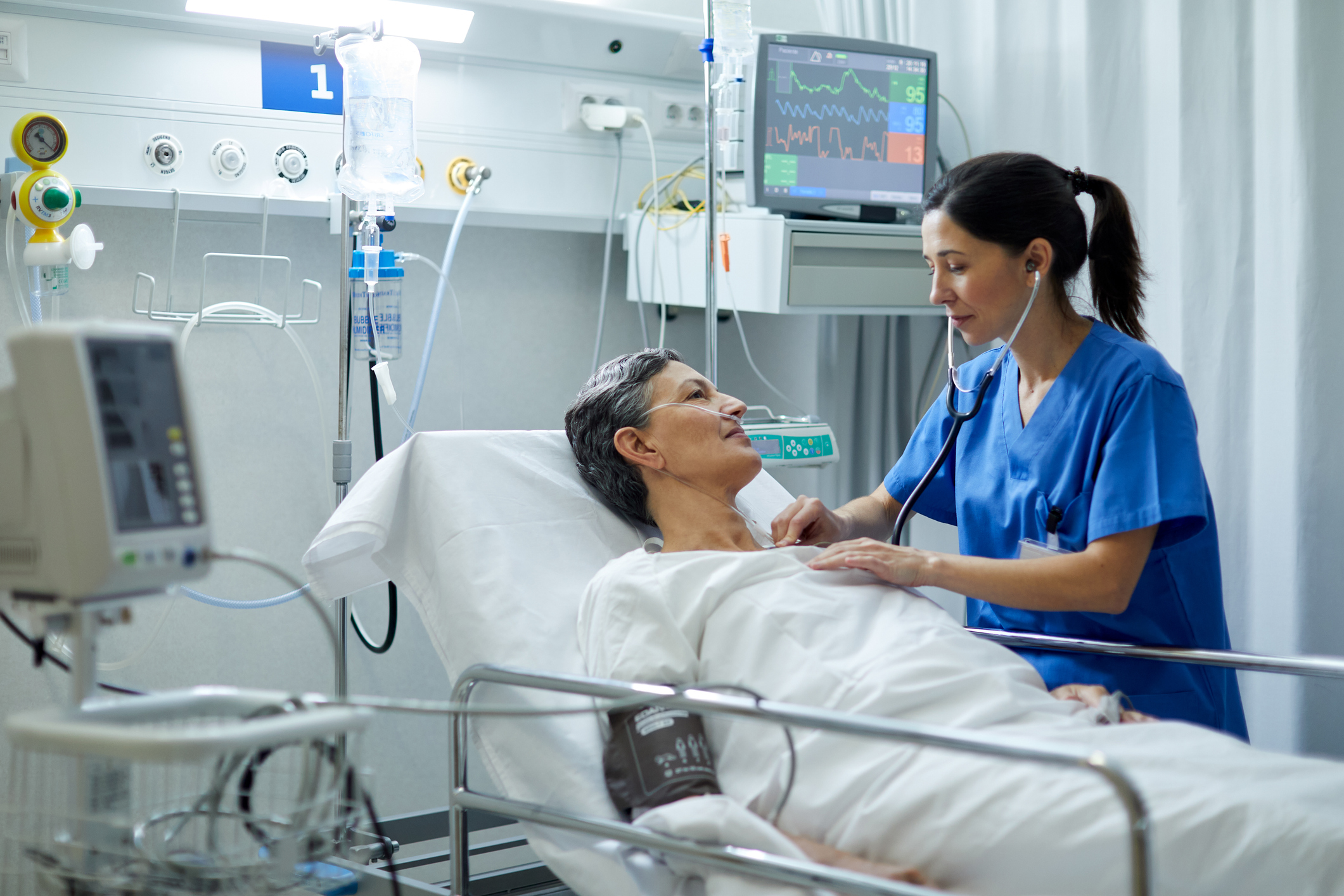
Convenient Cardiac Rehabilitation to Help You Gain Your Confidence

Your cardiovascular care starts here
1
Find the right provider
Get care from medical providers that fit your needs in a location near you.
Find a provider2
Explore cardiovascular resources
Find information made to guide and support you in your cardiovascular care.
See all resources3
Get in touch
Didn’t see what you’re looking for? Reach out and we’ll make sure you get what you need.
Contact usProtect Your Heart's Lifeline with Hoag's Expertise
The aorta is the body’s main blood vessel, carrying oxygen-rich blood from the heart to the rest of the body. When weakened by conditions such as aortic valve disease, aortic stenosis, or inherited connective tissue disorders, patients may face serious risks, including life-threatening dissections or aneurysms.
At Hoag’s Elaine & Robert Matranga Aortic Center, part of the Jeffrey M. Carlton Heart & Vascular Institute, our expert team provides advanced diagnostics, next-generation treatments, and lifelong care. From open-heart surgery to minimally invasive endograft repair, we help patients restore health and quality of life.
Active Surveillance
Some people who are diagnosed with aortic conditions like aortic enlargement, aortic stenosis or thoracic aortic aneurysm may not need surgery or treatment right away, especially if the issue is diagnosed early while the enlargement or aortic aneurysm is small.
In these cases, the highly-skilled team at Hoag’s Elaine & Robert Matranga Aortic Center may recommend what’s known as active surveillance. During active surveillance, the aortic condition is carefully monitored through checkups and advanced imaging technology for signs of enlargement over time. Your provider may also recommend healthy lifestyle changes.
Medications
Medications used to treat an aortic aneurysm may include:
Statins, which are drugs used to control cholesterol and the formation of plaque, which can contribute to atherosclerosis.
Aspirin, which acts as a blood thinner to keep blood pumping freely with less pressure. One drawback is that aspirin can increase the chance of life-threatening bleeding.
Antihypertensive medicines can be used to control high blood pressure, including beta blockers, angiotensin receptor blockers (ARBs) and angiotensin-converting enzyme (ACE) inhibitors.
Surgical Procedures to Treat Aortic Conditions
Depending on the location and size of the enlargement or aortic aneurysm and the likelihood it could lead to a dangerous rupture or dissection after diagnosis, you may need a surgical procedure to fix the problem.
Cases in which an aortic enlargement or aneurysm has suddenly ruptured or caused a dissection in the aortic wall is a life-threatening emergency that will likely require emergency surgery to save the patient’s life.
Surgical procedures used to repair or correct a thoracic aortic aneurysm may include:
Open Aneurysm Repair: Also called open surgery, this procedure to repair a thoracic aortic aneurysm begins with cardiothoracic surgeons making an incision in the chest near where the aneurysm is located. The surgeon then cuts out the bulging, distended or ruptured section of the aorta and replaces it with a tube made of a strong, medically-safe material. The incision is then sewn up and allowed to heal.
Thoracic Endovascular Aneurysm Repair (TEVAR):Thoracic Endovascular Aneurysm Repair, or TEVAR, is a minimally-invasive surgical procedure to treat a bulging or damaged portion of the aorta. During a TEVAR procedure, the doctor makes a small incision in a blood vessel in the arm, leg or groin. A thin catheter is fed through this incision into the blood vessel, then guided through the body to the affected section of the aorta. At the tip of the catheter is an implanted medical device called a stent graft, or endograft, which is positioned in the bulging section of the aorta. Once the graft is in place, it expands, attaching itself to the walls of the aorta. This creates a seal, strengthening the damaged portion of the aorta, preventing the aneurysm from growing larger or rupturing. As it doesn’t require a large incision, endograft repair has a much shorter recovery time than traditional aneurysm repair surgery.
Valve-Sparing Aortic Root Replacement:In some cases, cardiac patients can develop an aneurysm of the aortic root, which is the portion of the aorta that is closest to the top of the heart. Blood flow into the aortic root is regulated by the aortic valve. During a valve-sparing aortic root replacement procedure, the damaged portion of the aortic root is removed, along with the patient’s natural aortic valve. The aortic root is then replaced with a graft, which is a tube made of a synthetic material. The patient’s natural aortic valve is sewn into the graft. The reason for this is that preserving a patient’s natural heart valve usually leads to much better outcomes compared to replacement with a synthetic valve.
Cardiac Rehabilitation
Cardiac rehabilitation is an outpatient program designed to help those with serious cardiac issues improve heart function and manage their symptoms through a physician-monitored regimen of heart-health education, support, risk factor modification and physical exercise. In addition to people with aortic conditions, those who can potentially benefit from cardiac rehab include those with:
Heart Failure
History of heart attack
Recurring chest pain
Previous interventional cardiac procedures like coronary angioplasty, stents or percutaneous intervention (PCI).
Previous surgical procedures, including aortic aneurysm repair, heart valve surgery or coronary artery bypass surgery (CABG)
The Jeffrey M. Carlton Heart and Vascular Institute at Hoag features the most comprehensive cardiac rehabilitation program in Orange County. Our team is dedicated to helping patients with heart disease find their way back to living life to the fullest.
World-Class Programs for Aortic Diseases, At Hoag.
Hoag’s Elaine and Robert Matranga Aortic Center is setting the standard of care for aortic disease in Orange County, with a team-based approach that puts you and your well-being first. If you need aortic care in Huntington Beach, Irvine, Anaheim, Newport Beach, San Clemente, Tustin or other communities across Orange County, Hoag is here. For more information about the Aortic Center at Hoag, call 949-764-5314.
Aortic Diagnostic Tests, Scans, Imaging
Need the Most Advanced Imaging and Aortic Condition Testing? Orange County Trusts Hoag.
Those in need of aortic testing in Southern California and Orange County, including in communities like Huntington Beach, Newport Beach, Irvine, Anaheim, Santa Ana and San Clemente, have a strong ally in Hoag.
First, there’s our Elaine & Robert Matranga Aortic Center. Dedicated to the study, diagnosis and treatment of conditions that can impact the function of the aorta, this unique program offers the area’s most highly-skilled cardiovascular team, next-generation imaging and diagnostics and state-of-the-art treatment options to help those with these often life-threatening conditions.
Next, for those facing genetic connective tissue disorders like Marfan syndrome, Loeys-Dietz syndrome and Familial Thoracic Aortic Aneurysm and Aortic Dissection (Familial TAAD), Hoag offers internationally-recognized expertise.
Which Genetic Conditions Can Result in Aortic Issues?
Certain rare genetic connective tissue diseases like Loeys-Dietz syndrome and familial thoracic aortic aneurysm and dissection (familial TAAD) can cause weakness in the body’s connective tissues. Among other symptoms, that can impact the strength, flexibility and function of blood vessels throughout the body, including the aorta.
The body’s largest and most important artery, the aorta carries oxygenated blood flow away from the heart so it can be distributed to organs and tissues.
Complications of these conditions that can result in damage to the aorta include:
Aortic enlargement: In those with these conditions, the walls of the aorta can be weakened to the point that blood flow causes the aorta to stretch — a condition called aortic enlargement or aortic dilation.
Aortic aneurysm: Often seen in those with connective tissue diseases, aortic aneurysms are a condition in which the weakened aorta develops a pronounced bulge. If not treated, an aortic aneurysm can become so large that it ruptures. This is a life-threatening condition, with about 40% of aortic aneurysm ruptures resulting in death.
Aortic dissection: Aortic aneurysm and aortic enlargement can increase a person’s risk of an aortic dissection, which is a tear in the wall of the aorta. During an aortic dissection, blood can rush between the layers of the artery wall, forcing the layers apart. Like an aortic aneurysm rupture, an aortic dissection is a life-threatening emergency.
Visit these links for more information from Hoag about the symptoms, potential complications and risk factors for:
Connective tissue disorders and related conditions, including familial TAAD
Contact us for more information about the treatments for aortic aneurysms, enlargement, dissection and genetic conditions that can impact the aorta available at Hoag.
How are Aortic Conditions Diagnosed?
Problems with the aorta are often silent killers, causing few noticeable symptoms until a person experiences a ruptured aneurysm or dissection. For this reason, aortic issues are often found accidentally during imaging tests done for other conditions, or after a patient experiences symptoms of aortic dissection, often presenting in an emergency room.
However, if a person has a genetic condition like familial TAAD, or has a direct relative (parent or sibling) with the condition, this can be an important sign that they should get evaluated for genetically-caused connective tissue disorders and aortic disorders themselves.
If you visit a health care provider with symptoms that might suggest you have an aortic disease or an inherited connective tissue that can increase the risk of aortic problems, the physician will usually begin by asking detailed questions about your family history.
These questions will likely focus on whether you or a direct family member has a history of genetic connective tissue disorders, or of cardiovascular problems like heart disease, heart valve disease, heart attack, aortic disease, blockage of the coronary arteries and other issues.
This will likely be followed by a thorough physical exam. Depending on the results of this examination, you may be asked to submit to further aortic cardiac testing to confirm or rule out an issue with the aorta.
Genetic Testing in Orange County at Hoag
Genetic or inherited connective tissue diseases like familial TAAD, Marfan syndrome or Loeys-Dietz syndrome are often diagnosed through genetic counseling and testing, which looks at a person’s genetic code for signs they may have the disease or could potentially pass it on to their children.
Hoag’s unique Genetic Counseling Program is a lifeline for people with genetic conditions or a family member with an inheritable genetic disease, helping them find the answers they need to drive treatments and reveal hidden issues.
Hoag’s highly-trained and experienced team of genetic counselors can help collect and document your family history, determine your risk of inherited disease, explain the implications for you and your offspring, help you obtain insurance coverage for genetic testing, explain the results of genetic testing and more.
For more information about genetic counseling and testing at Hoag, call 949-764-5764 or send an email to genetics@hoag.org.
Which Medical Tests are Used to Diagnose Aortic Problems?
There are several types of advanced imaging, medical tests and exams used to diagnose aortic conditions such as aortic enlargement, aneurysm or dissection. These may include:
Chest X-Ray: While not as precise as other methods, a chest x-ray is often the first imaging test that reveals the presence of an aortic issue, often by accident. If a chest X-ray shows evidence of an aortic enlargement or aneurysm, physicians will often turn to more detailed imaging tests to confirm or rule out the diagnosis.
Ultrasound: Ultrasound screening, which uses sound waves to create detailed pictures of structures inside the body, is often used in the diagnosis of aortic conditions. The test can provide crucial information about the size and location of an aneurysm, allowing health care providers to monitor it over time with active surveillance or plan future treatments.
Computed tomography (CT Scan): A computed tomography (CT scan) is a type of imaging test that utilizes a series of X-rays taken from multiple angles around the body, knitting them together into very detailed and precise images.
Cardiac MRI: Cardiac magnetic resonance imaging (MRI) is an imaging test that uses radio waves and a strong magnetic field to create detailed images of cardiac-related tissues and structures, including the heart muscle, heart valves and aorta. Cardiac MRI imaging is particularly useful in helping pinpoint the size and location of an issue with the aorta. In some cases, a special dye may be injected to help the heart and aorta show up better in images.
Magnetic resonance angiography (MRA): Magnetic resonance angiography is a specialized form of magnetic resonance imaging (MRI) that is used specifically to create highly-detailed images of blood vessels, including the aorta. While traditional angiography and cardiac catheterization usually involve threading a catheter through the body to the heart, MRA is a minimally invasive procedure.
Echocardiogram with 3D technology: Echocardiography is another tool used to create images through the use of sound waves. At Hoag, we utilize an advanced form of echocardiogram with three-dimensional capability, which allows the health care team to create very high-quality images of the aorta, to help determine the severity of the condition and plan treatment options.
Transesophageal Echocardiogram (TEE): If a standard echocardiogram doesn’t reveal enough information about the aorta, physicians may utilize a specialized form of echocardiography called a transesophageal echocardiogram. During this procedure, a doctor inserts a small ultrasound device down the esophagus, placing it closer to the heart and aorta, allowing it to capture images without interference from the chest muscles, ribs, esophagus and other structures.
Contact us for more information about treatment options for aortic diseases.
Searching for Aortic Disease Diagnostics in Irvine, Fountain Valley, Anaheim or Huntington Beach? In Orange County, There’s No Place Like Hoag.
Hoag’s Elaine and Robert Matranga Aortic Center is setting the standard of care for aortic diagnostics and treatment in Orange County, with a team-based approach that puts you and your well-being first. If you need aortic care in Huntington Beach, Irvine, Anaheim, Newport Beach, San Clemente, Tustin or other communities across Orange County, Hoag is here.
For more information about the Matranga Aortic Center, call 949-764-5314.
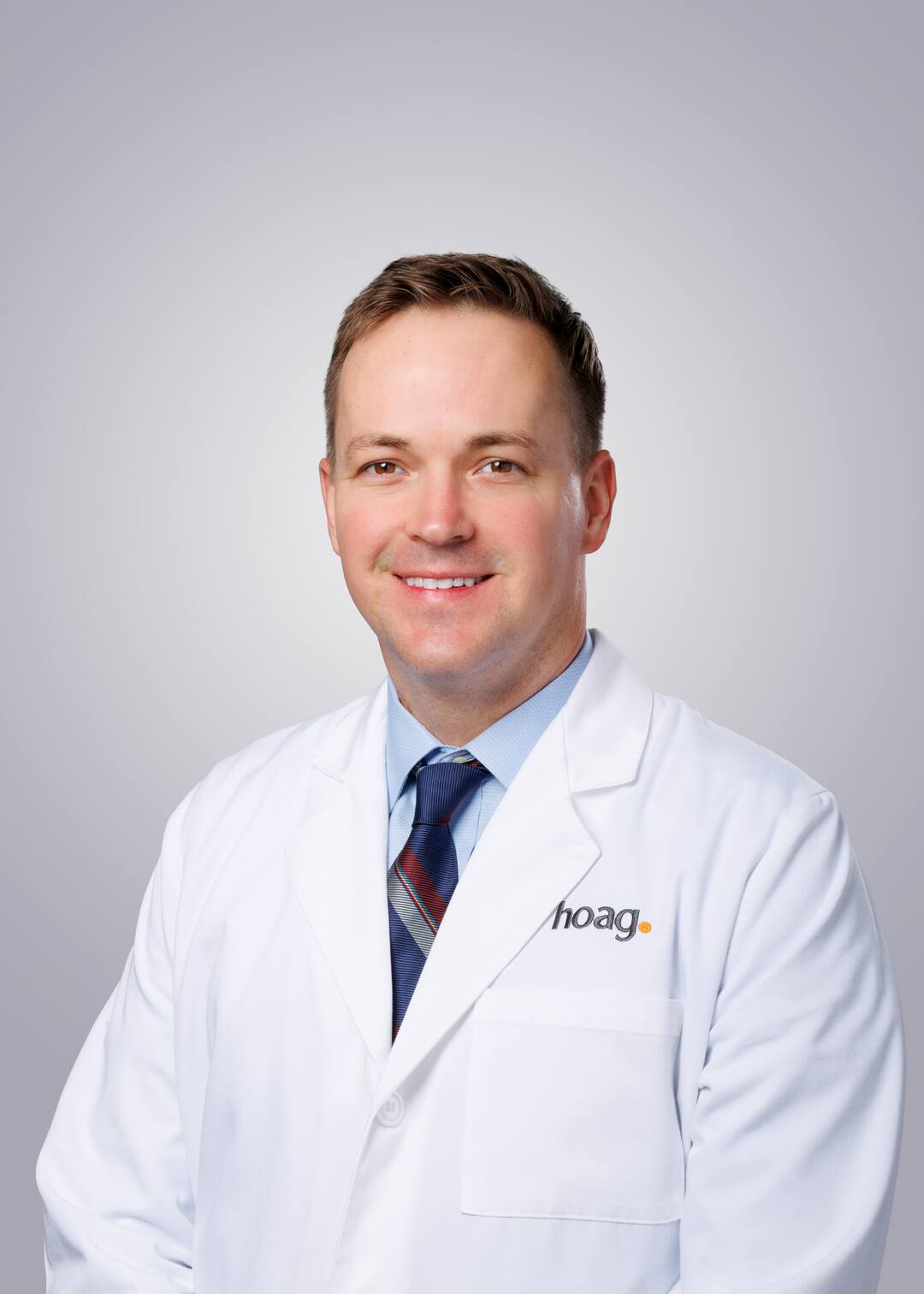
At Hoag, our comprehensive Matranga Aortic Center provides a multidisciplinary, integrated team approach to caring for complex aortic disease.
Cardiothoracic Surgeons

Director of Cardiovascular Surgery
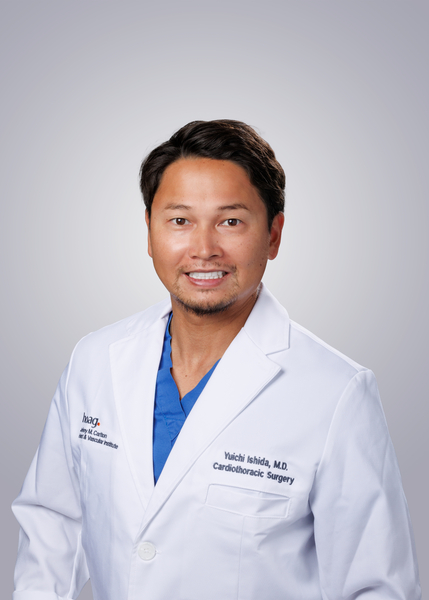
Surgical Director, Advanced Heart Failure & Mechanical Circulatory Support
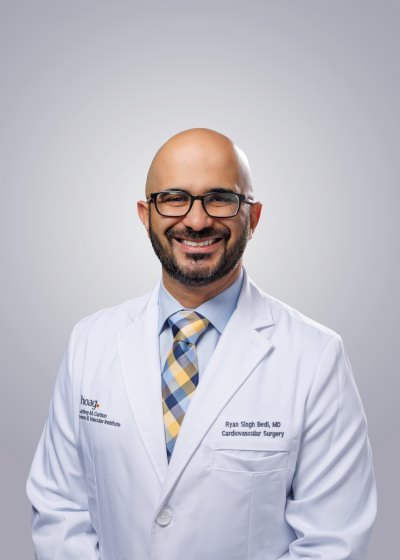
Cardiovascular Surgery
Cardiovascular Surgery
Vascular Surgeons
Director, Vascular Lab
Vascular Surgery
Vascular Surgery
Clinical Care Team
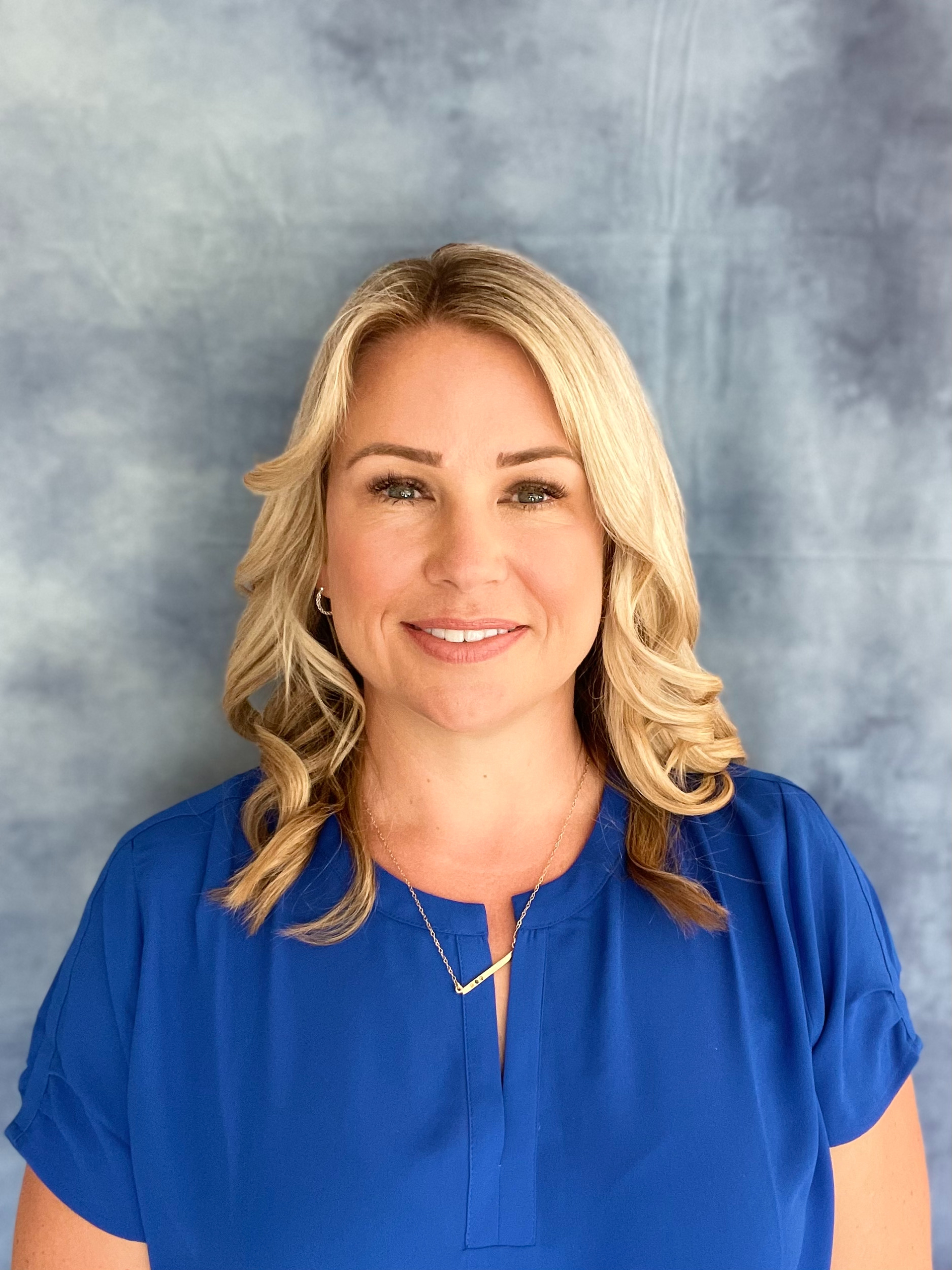
Nurse Practitioner, Elaine & Robert Matranga Aortic Center

Genetic Counselor
Stay up-to-date on the latest news from Hoag
By submitting this request, you agree to receive communications from Hoag and accept our Privacy Policy and Terms of Use.