
Skip to content
  • Pay Your Bill
  • Donate
  • Contact Us
Secondary Logo
  • Find Care
  • Explore ServicesChevron Down

    • Cancerchevron right
    • Digestive Healthchevron right
    • Heart & Vascularchevron right
    • Neuroscienceschevron right
    • Orthopedicschevron right

    • Spinechevron right
    • Women’s Healthchevron right
    • Imaging & Radiology Serviceschevron right
    • Other Programs & Serviceschevron right

    2025 U.S. News Image

    Awards & Accreditations

    Hoag Named #1 in Orange County by U.S. News & World Report


    Classes & EventsPatient StoriesPay Your BillHelp paying your bill

  • Locations
  • ResourcesChevron Down

    • Resourceschevron right
    • Health Risk Assessmentschevron right
    • Classes & Eventschevron right

    • Support Groupschevron right
    • Patient Storieschevron right

    Michael Coons Stroke on bike

    Patient Stories

    A Stroke Survivor Reflects on the Lifesaving Care He Received at Hoag


    Classes & EventsPay Your BillHoag MyChartHelp paying your bill

  • About HoagChevron Down

    • Overviewchevron right
    • Awards & Accreditationschevron right
    • Safety & Qualitychevron right

    • Community Healthchevron right
    • Culturechevron right

Search
Menu
    • Find Care
    • Explore ServicesChevron Down

      • Cancerchevron right
      • Digestive Healthchevron right
      • Heart & Vascularchevron right
      • Neuroscienceschevron right
      • Orthopedicschevron right

      • Spinechevron right
      • Women’s Healthchevron right
      • Imaging & Radiology Serviceschevron right
      • Other Programs & Serviceschevron right

      2025 U.S. News Image

      Awards & Accreditations

      Hoag Named #1 in Orange County by U.S. News & World Report


      Classes & EventsPatient StoriesPay Your BillHelp paying your bill

    • Locations
    • ResourcesChevron Down

      • Resourceschevron right
      • Health Risk Assessmentschevron right
      • Classes & Eventschevron right

      • Support Groupschevron right
      • Patient Storieschevron right

      Michael Coons Stroke on bike

      Patient Stories

      A Stroke Survivor Reflects on the Lifesaving Care He Received at Hoag


      Classes & EventsPay Your BillHoag MyChartHelp paying your bill

    • About HoagChevron Down

      • Overviewchevron right
      • Awards & Accreditationschevron right
      • Safety & Qualitychevron right

      • Community Healthchevron right
      • Culturechevron right

    • Pay Your Bill
    • Donate
    • Contact Us
    chevron leftPickup Family Neurosciences Institute

    Concussion/Mild TBI Program

    520 Superior, Suite 205, Newport Beach, CA 92663

    (949) 764-1843

    Inquire now

    Concussion/Mild TBI Program

    Pickup Family Neurosciences Institute

    Chevron Down
    Chevron Down
    Chevron Down
    • About
    • About Concussions
    • Tips for Recovery
    • FAQs
    • Location
    • Meet the Team

    The Concussion/Mild Traumatic Brain Injury (TBI) Program at Hoag uses specialized, state-of-the-art evidence-based testing and symptom assessments, which are sensitive to detecting concussion-related dysfunction.


    Our Mission

    We are a caring, collaborative team dedicated to efficiently diagnosing and treating concussion and traumatic brain injury using the latest research and medical advancements. Our goal is to restore optimal function, reduce persistent symptoms, and safely return individuals to their regular activities, including work, academics, exercise, and sport.

    Our Approach

    Effective brain injury care requires multidisciplinary coordination. At Hoag, our team includes experts in neurology, psychiatry, neuropsychology, nursing, and rehabilitation. Once a diagnosis is confirmed, patients receive a customized treatment plan that integrates physical, cognitive, emotional, and behavioral support. We recognize that no two injuries are alike, and our team works together to provide holistic, patient-centered care.

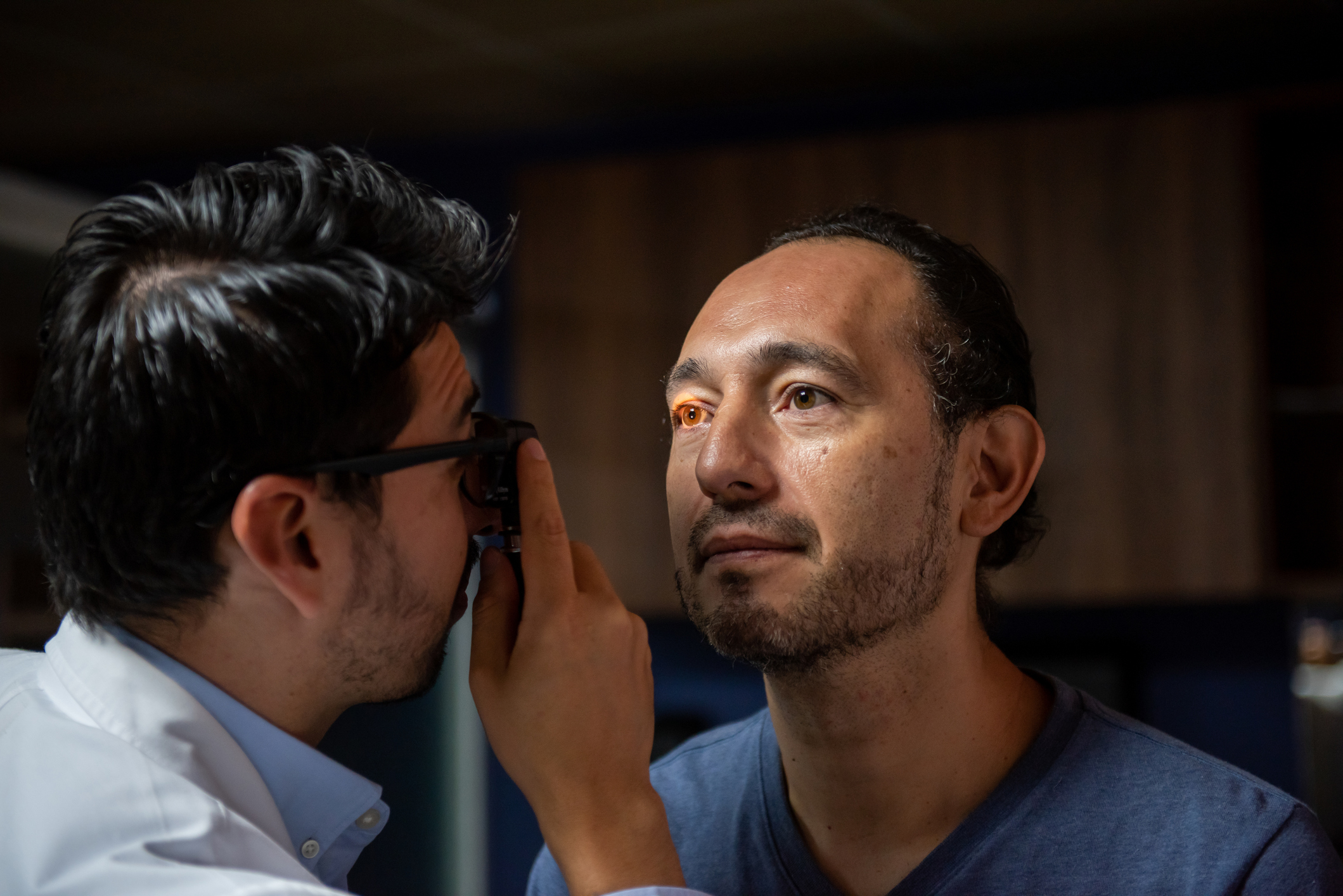
    Doctor checking eyes with light

    Multidisciplinary Team With Specialized Skillsets for Best Outcomes

    Each team member brings a specialized skillset to manage the complex needs of patients recovering from concussions and TBI. Your physician will refer you to the appropriate expert to ensure timely and coordinated care. Those experts include: neurologists, neuropsychologists, nurse practitioners, concussion navigators, and physical therapists.
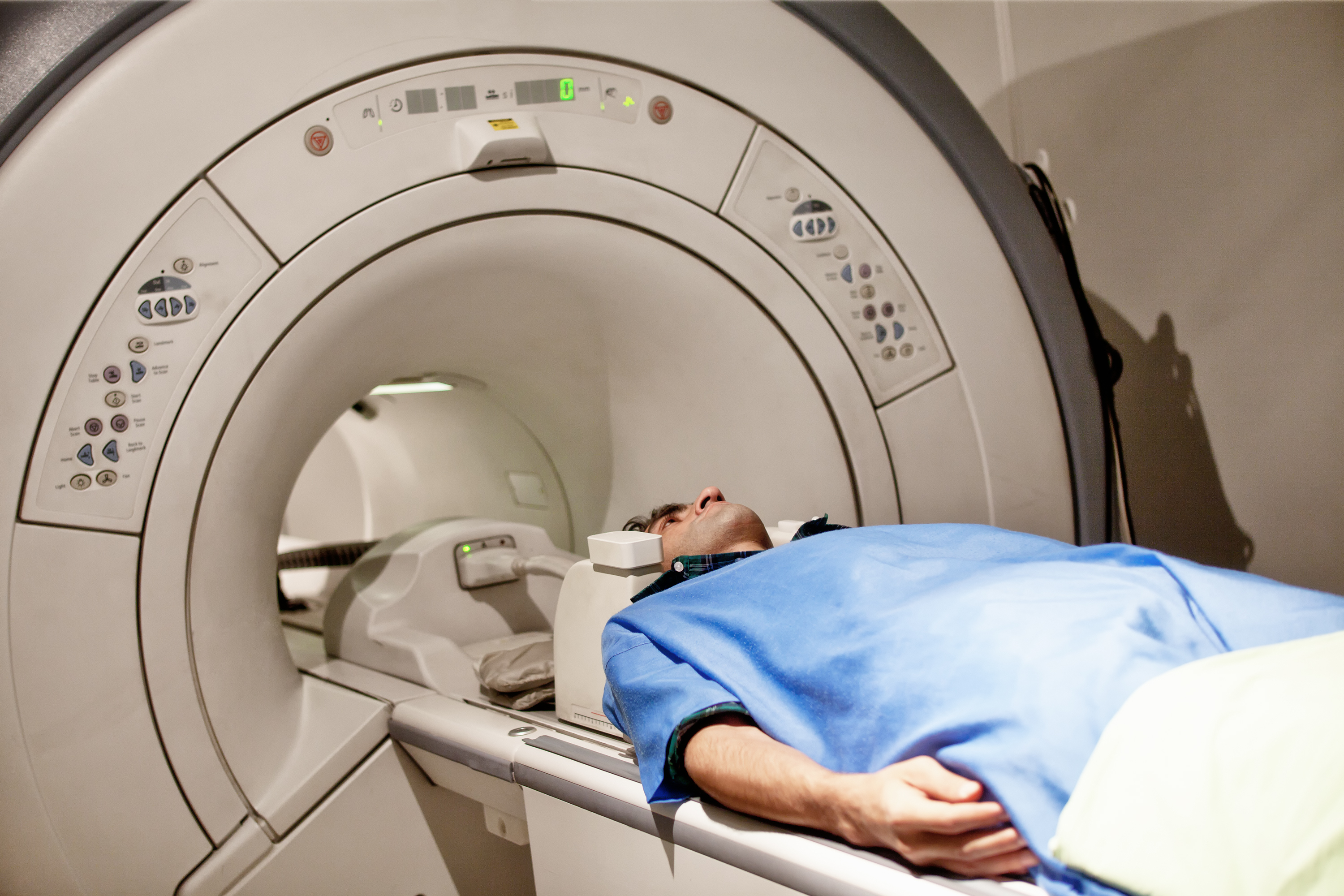
    Person goes into MRI

    Concussion Navigator

    After you've had a concussion, it can be difficult to coordinate your care across the varying specialists assigned to assist in your recovery. Having a Concussion Navigator ensures that you have someone dedicated to reminding you of appointments, assisting in scheduling appointments, and is available for any questions that may arise during your treatment. Hoag's Concussion Program is dedicated to providing outstanding care to all its patients and ensuring they can return to the activities they love.
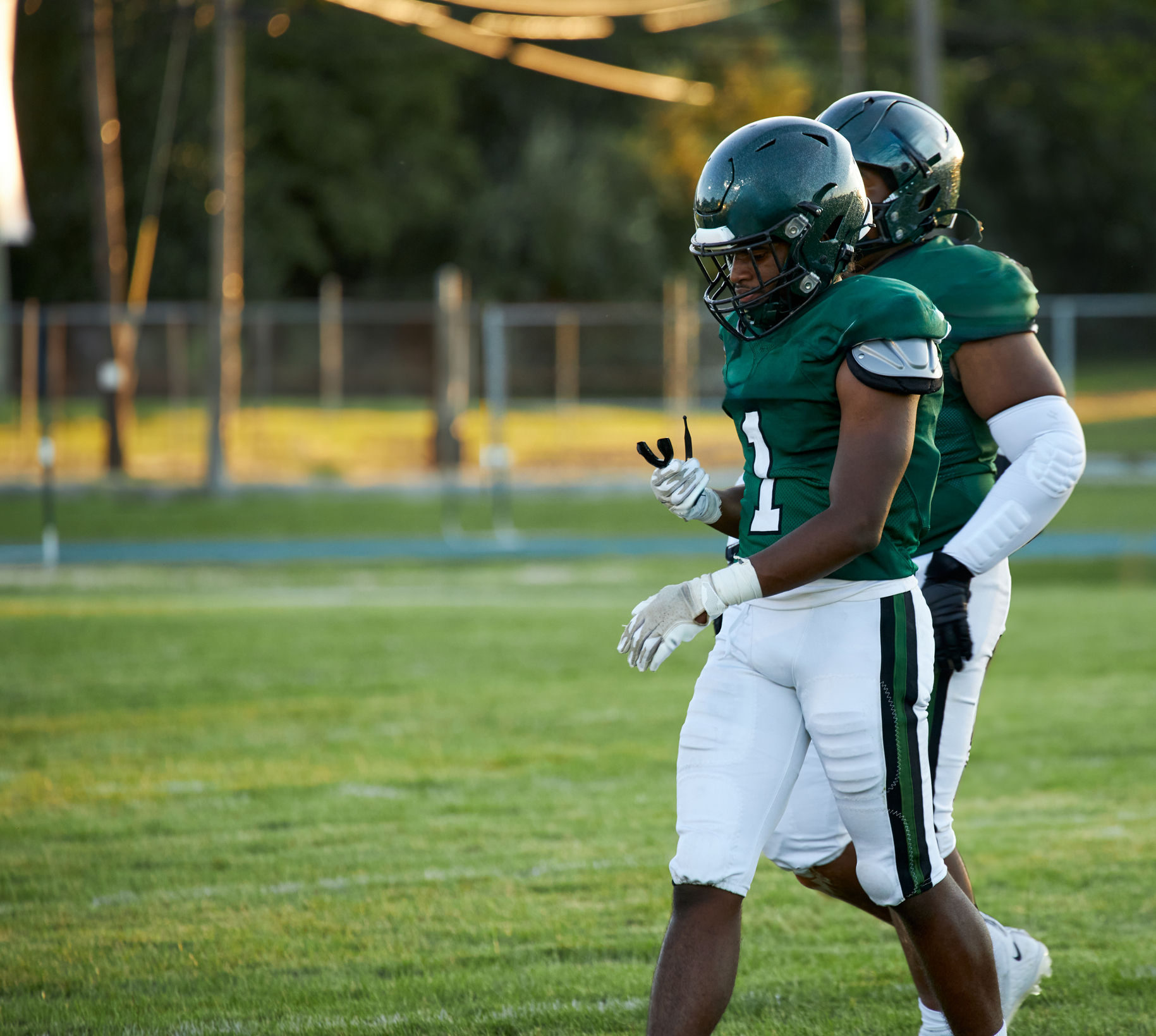
    Football players running

    Your concussion care starts here

    1

    Find the right provider

    Get care from medical providers that fit your needs in a location near you.

    Find a providerchevron right

    2

    Explore concussion resources

    Find information made to guide you through the concussion treatment process.

    Explore Resourceschevron right

    3

    Get in touch


    Didn’t see what you’re looking for? Reach out and we’ll make sure you get what you need.

    Contact uschevron right

    The Concussion/Mild Traumatic Brain Injury (TBI) Program at Hoag uses specialized, state-of-the-art evidence-based testing and symptom assessments, which are sensitive to detecting concussion-related dysfunction.


    Our Mission

    We are a caring, collaborative team dedicated to efficiently diagnosing and treating concussion and traumatic brain injury using the latest research and medical advancements. Our goal is to restore optimal function, reduce persistent symptoms, and safely return individuals to their regular activities, including work, academics, exercise, and sport.

    Our Approach

    Effective brain injury care requires multidisciplinary coordination. At Hoag, our team includes experts in neurology, psychiatry, neuropsychology, nursing, and rehabilitation. Once a diagnosis is confirmed, patients receive a customized treatment plan that integrates physical, cognitive, emotional, and behavioral support. We recognize that no two injuries are alike, and our team works together to provide holistic, patient-centered care.

    Doctor checking eyes with light

    Multidisciplinary Team With Specialized Skillsets for Best Outcomes

    Each team member brings a specialized skillset to manage the complex needs of patients recovering from concussions and TBI. Your physician will refer you to the appropriate expert to ensure timely and coordinated care. Those experts include: neurologists, neuropsychologists, nurse practitioners, concussion navigators, and physical therapists.
    Person goes into MRI

    Concussion Navigator

    After you've had a concussion, it can be difficult to coordinate your care across the varying specialists assigned to assist in your recovery. Having a Concussion Navigator ensures that you have someone dedicated to reminding you of appointments, assisting in scheduling appointments, and is available for any questions that may arise during your treatment. Hoag's Concussion Program is dedicated to providing outstanding care to all its patients and ensuring they can return to the activities they love.
    Football players running

    Your concussion care starts here

    1

    Find the right provider

    Get care from medical providers that fit your needs in a location near you.

    Find a providerchevron right

    2

    Explore concussion resources

    Find information made to guide you through the concussion treatment process.

    Explore Resourceschevron right

    3

    Get in touch


    Didn’t see what you’re looking for? Reach out and we’ll make sure you get what you need.

    Contact uschevron right

    About Concussion

    What is a concussion?

    A concussion is a mild form of traumatic brain injury (TBI) caused by a blow or jolt to the head or body. The force of impact causes the brain to move within the skull, which can disrupt normal brain function. While concussions are considered “mild” TBIs, the effects can still be serious and require careful medical attention.

    Common causes include:

    • Sports and recreational injuries

    • Falls or accidents

    • Motor vehicle collisions

    • Military or combat injuries

    Symptoms

    A concussion is a mild traumatic brain injury occurring when there is a bump, blow, or jolt to the head or body that causes the brain to move or twist inside the skull. This brain movement causes chemical and physiologic changes that can affect how brain cells work and communicate, resulting in a wide variety of concussion symptoms. 70% of people with a concussion recover completely within 4 weeks, while 30% take longer.

    Symptoms vary, but can include:

    • Confusion

    • Headache

    • Double or blurry vision

    • Dizziness

    • Nausea or vomiting

    • Difficulty concentrating

    • Mental fogginess

    • Sensitivity to light/noise/busy environments

    • Sleep disturbances

    Symptoms can occur right after the concussion, but can also take several days to come on.

    When to go to the Emergency Department

    If you observe any of the following red-flag concussion symptoms, please go to an Emergency Department immediately for a medical evaluation:

    • Loss of consciousness

    • Seizures or convulsions

    • Repeated vomiting or nausea

    • Increasing confusion or dizziness

    • Drowsiness or inability to waken from sleep

    • Pupils that are unequal in size

    • Slurred speech

    • Weakness or numbness in arms or legs

    • Clear, watery discharge from the nose or ears, or bloody discharge from the ears

    • Severe or worsening neck pain

    When and why to see a specialist

    If you think you have had a concussion, you should contact your healthcare provider or go to Urgent Care for follow-up. Only a healthcare provider can diagnose a concussion. If you had a loss of consciousness with your concussion, you should seek emergency care. If you have been diagnosed by a healthcare provider with a concussion, you may need a referral to a neurologist for management or physical therapy for concussion rehabilitation.

    It’s important to see a specialist if you think you have a concussion to get a proper diagnosis. While most concussion symptoms may be resolved or relieved within two weeks, a specialist can help determine the best treatment for optimal recovery.

    You've been Diagnosed with a Concussion - Now What?

    A concussion is a mild brain injury that temporarily affects how your brain functions. Most people recover fully within a few weeks with proper care. Here’s what you need to know:

    • Rest for 24–48 hours: Limit physical and mental activity briefly, but complete bed rest is not needed.

    • Gradually resume activity: After 48 hours, slowly return to normal activities like walking, reading, or light chores—just avoid anything that makes symptoms significantly worse.

    • Use symptoms as a guide: It’s normal for symptoms (like headache, dizziness, or fatigue) to increase a little with activity.

    • Avoid high-risk activities: No contact sports, heavy lifting, or risky environments until cleared by a healthcare provider.

    • Sleep is essential: Keep a regular sleep schedule and avoid naps during the day after the first 48 hours.

    • Eat well and stay hydrated: Nutritious food and hydration support brain healing.

    • Follow up: Attend all scheduled appointments. Seek medical attention if symptoms suddenly worsen.

    Recovery takes time, but with the right care and pacing, most people return to their normal lives safely.

    What Should You Do in the First 48 Hours?

    After the initial rest period, gradual return to normal daily activities is key—even if some symptoms persist. Light physical activity, such as walking or gentle stationary cycling, can actually promote faster recovery. Research shows that people who start light exercise 48 hours after a concussion recover about 2 to 3 days faster than those who stay completely inactive.

    What Happens During an Assessment?

    At Hoag, every concussion evaluation begins with a thorough assessment by a healthcare provider trained in concussion management. Your provider will review your medical history, discuss your symptoms, and perform targeted exams to evaluate cognitive function, balance, coordination, and neurological health.

    Based on your needs, you may be referred to physical therapy for concussion rehabilitation, which can include guided exercises to improve balance, reduce dizziness, and safely reintroduce activity. In some cases, a neuropsychological evaluation may be recommended to assess memory, attention, and other cognitive skills. This testing provides valuable insight into how the brain is functioning after injury and helps guide individualized treatment and recovery planning.

    The goal of every assessment is to create a safe, personalized plan to support recovery and ensure a gradual, healthy return to school, work, sports, and daily life.

    Tips for Recovery

    A concussion can temporarily affect sleep, appetite, energy, and focus.

    • Resume typical activities gradually and in a tolerable way.

    • Physical activities (e.g., walking, light cardio) lead to physical fatigue.

    • Mental activities (e.g., reading, screen use, conversation) cause cognitive fatigue.

    • Use your symptoms as a guide, understanding that concussion symptoms may temporarily worsen during physical or cognitive exertion. This is a normal part of recovery. Symptom exacerbation during activity is expected and does not necessarily indicate structural damage — it simply signals the need for a short rest or adjustment in intensity

    • Both types of fatigue—when well-paced—can promote better sleep at night

    • Strenuous activity and return to sport should only be done with clearance from your physician or concussion specialist

    Remember:

    • Return to school, work, or sport should be guided by a healthcare provider.

    • Avoid naps after the first 48 hours unless medically advised.

    • Gradual reintroduction of light and sound exposure helps the brain adapt.

    • Quality sleep is one of the most powerful tools for brain recovery.

    Article

    What Everyone Needs Know About Concussionschevron right
    • November 21, 2025
    • 4 min read
    Article

    Nutrition Recommendations After Concussion

    • Maintain consistent meal and snack times to help stabilize blood sugar and energy.

    • Drink plenty of water throughout the day. Dehydration can worsen symptoms like headaches and fatigue.

    • Focus on omega-3 fatty acids found in foods like salmon, sardines, walnuts, flaxseeds, and chia seeds.

    • These fats help support brain cell repair and reduce neuroinflammation

    • Eat a variety of colorful fruits and vegetables (e.g., berries, spinach, kale, sweet potatoes).

    • Antioxidants can help counteract oxidative stress, which is elevated after brain injury.

    • Include lean protein sources such as chicken, turkey, fish, eggs, tofu, legumes, and Greek yogurt.

    • Protein provides amino acids essential for neurotransmitter production and tissue repair.

    • Reduce intake of sugary snacks, soda, energy drinks, and highly processed meals, which may worsen inflammation and disrupt sleep.

    • Include foods like pumpkin seeds, almonds, beans, avocados, and whole grains.

    • These minerals play a role in neurological function and may help with headaches or irritability.

    • Caffeine can interfere with sleep and increase symptoms like jitteriness or anxiety.

    • Alcohol should be avoided entirely during recovery, as it can worsen symptoms and impair healing.

    Location


    Hoag Concussion and Mild TBI Program

    Hoag Concussion and Mild TBI Program

    520 Superior Ave, Suite 205

    Newport Beach, CA 92663


    Meet our Concussion/Mild TBI Team

    Andrew D. Ly, MD

    Andrew D. Ly, MD

    Concussion/Mild TBI Program Program Advisor, Neurophysiology Services

    Nina Surber, PT, DPT

    Nina Surber, PT, DPT

    Concussion Program Navigator

    Diana Munro, NP

    Diana Munro, NP

    Nurse Practioner Concussion Program

    Stay up-to-date on the latest news from Hoag

    By submitting this request, you agree to receive communications from Hoag and accept our Privacy Policy and Terms of Use.


    Secondary Logo

    Personal Service Team(800) 400-4624

    Need to ask a question?Contact Us

    Quick Links

    • Patients & visitors
    • Infection prevention
    • Federal Transparency in Coverage Rule
    • Accepted health insurance
    • Prepare for your visit
    • Clinical trials
    • Hoag MyChart
    • Help paying your bill

    Professionals

    • Brokers, agents, & employers
    • Medical professionals
    • Graduate Medical Education
    • Corporate information
    • Careers

    About Hoag

    • About us
    • Contact us
    • Awards & Accreditations
    • Hoag Medical Group
    • Community health
    • Volunteer with us

    Contribute

    • Foundation
    • Donate

    © 2026 Hoag. All Rights Reserved.Legal

    facebook iconinstagram icontwitter iconyoutube iconlinkedin icon