Skip to content
  • Pay Your Bill
  • Donate
  • Contact Us
Secondary Logo
  • Find Care
  • Explore ServicesChevron Down

    • Cancerchevron right
    • Digestive Healthchevron right
    • Heart & Vascularchevron right
    • Neuroscienceschevron right
    • Orthopedicschevron right

    • Spinechevron right
    • Women’s Healthchevron right
    • Imaging & Radiology Serviceschevron right
    • Other Programs & Serviceschevron right

    2025 U.S. News Image

    Awards & Accreditations

    Hoag Named #1 in Orange County by U.S. News & World Report


    Classes & EventsPatient StoriesPay Your BillHelp paying your bill

  • Locations
  • ResourcesChevron Down

    • Resourceschevron right
    • Health Risk Assessmentschevron right
    • Classes & Eventschevron right

    • Support Groupschevron right
    • Patient Storieschevron right

    Michael Coons Stroke on bike

    Patient Stories

    A Stroke Survivor Reflects on the Lifesaving Care He Received at Hoag


    Classes & EventsPay Your BillHoag MyChartHelp paying your bill

  • About HoagChevron Down

    • Overviewchevron right
    • Awards & Accreditationschevron right
    • Safety & Qualitychevron right

    • Community Healthchevron right
    • Culturechevron right

Search
Menu
    • Find Care
    • Explore ServicesChevron Down

      • Cancerchevron right
      • Digestive Healthchevron right
      • Heart & Vascularchevron right
      • Neuroscienceschevron right
      • Orthopedicschevron right

      • Spinechevron right
      • Women’s Healthchevron right
      • Imaging & Radiology Serviceschevron right
      • Other Programs & Serviceschevron right

      2025 U.S. News Image

      Awards & Accreditations

      Hoag Named #1 in Orange County by U.S. News & World Report


      Classes & EventsPatient StoriesPay Your BillHelp paying your bill

    • Locations
    • ResourcesChevron Down

      • Resourceschevron right
      • Health Risk Assessmentschevron right
      • Classes & Eventschevron right

      • Support Groupschevron right
      • Patient Storieschevron right

      Michael Coons Stroke on bike

      Patient Stories

      A Stroke Survivor Reflects on the Lifesaving Care He Received at Hoag


      Classes & EventsPay Your BillHoag MyChartHelp paying your bill

    • About HoagChevron Down

      • Overviewchevron right
      • Awards & Accreditationschevron right
      • Safety & Qualitychevron right

      • Community Healthchevron right
      • Culturechevron right

    • Pay Your Bill
    • Donate
    • Contact Us
    chevron leftPickup Family Neurosciences Institute

    Multiple Sclerosis & Neuroimmunology Program

    520 Superior, Suite 350, Newport Beach, CA 92663

    (949) 764-1850

    Inquire now

    Multiple Sclerosis & Neuroimmunology Program

    Pickup Family Neurosciences Institute

    Chevron Down
    Chevron Down
    Chevron Down
    • About
    • Diagnosis
    • Treatments
    • Advances in MS Care
    • Multiple Sclerosis Hope Center
    • Meet the Team
    • FAQs

    Our Multiple Sclerosis & Neuroimmunology Program provides personalized care, advanced therapies, and compassionate support to help patients manage symptoms, slow disease progression, and live life to the fullest.

    Hoag's Multiple Sclerosis & Neuroimmunology Program

    At the Pickup Family Neurosciences Institute, we pride ourselves in offering a team of multiple sclerosis doctor and specialists who are dedicated to helping patients at any stage of their disease journey. This comprehensive and integrated approach to care lessens the burden of the disease on patients and caregivers. Because there is no cure for MS, ongoing medical treatment for multiple sclerosis is required and available for patients to maintain the best quality of life. Our team specializes in the assessment and treatment of patients affected by this disease based on the disease stage and their individual needs.

    In addition to medication, our providers work closely with physical therapists, occupational therapists, dietary services, OB/GYN providers and gastrointestional providers. Working as a comprehensive team to manage your symptoms and slow down the progression of MS.

    What Our Patients Are Saying

    “Dr. Jassam is hungry, and that’s the kind of specialist you want,” said Brittany, a patient of Dr. Jassam's. “He is always researching up-and-coming technologies and treatments on my behalf while considering my own research and ideas as well. When it comes to managing my diagnosis, he leaves no stone unturned, which is so important because the symptoms of MS are always evolving, and though research has come a long way, why stop now?”

    Woman doing yoga 2

    Multiple Sclerosis Treatment

    Multiple sclerosis (MS) is the leading cause of disability in young adults. This disease is mediated by an autoimmune response causing damage to the nervous system. Important advances in the field are now significantly improving the course and the outcome of the disease. In addition to multiple disease-modifying therapies that tackle the immune response from various aspects, there are multiple therapies targeting the symptoms of the disease.
    A woman in a wheelchair is coloring

    Experts in Neuroimmunology

    Our multiple sclerosis program also provides expertise in neuroimmunology. This field has expanded to encompass multiple rare and challenging presentations that share similar pathology to MS, all driven by the immune system mistakenly attacking our own nervous system. Presentations such as optic neuritis (loss of vision), transverse myelitis (spinal cord dysfunction), encephalitis (brain inflammation) and meningitis can be manifestations of these disorders. The recent discoveries of new neuroimmunological tests and therapies to detect early and counter such disease processes have given new hope to patients, who, in the past, would have acquired disabilities as a result of treatment delay.
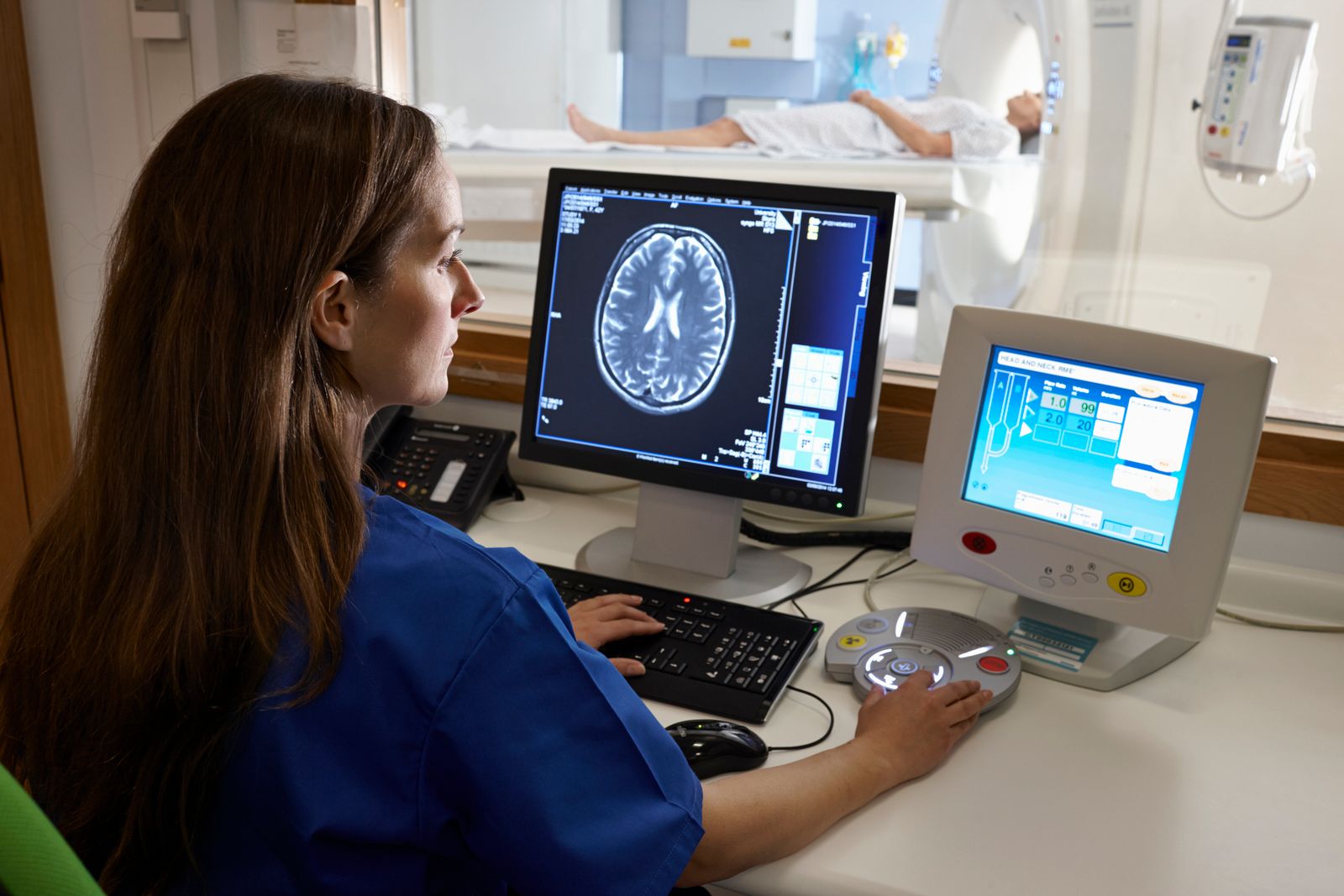
    A doctor looks at a brain scan

    Advancements in Treatment and Diagnosis

    Thanks to the generosity of the Hoag Foundation Innovators Fund for Research, Dr. Yasir Jassam and the Hoag MS & Neuroimmunology Program are leading the way in redefining how multiple sclerosis (MS) is diagnosed, treated, and even predicted. Dr. Jassam takes a three-pronged approach that combines the latest technology with forward-thinking research to improve the lives of people living with MS: Improving Precision Medicine, A View Into the Future, Predicting and Preventing MS Before It Starts.
    Learn more
    Yasir N. Jassam, MD

    Patient Testimonial Carousel

    “When it comes to managing my diagnosis, [Dr. Jassam] leaves no stone unturned, which is so important because the symptoms of MS are always evolving, and though research has come a long way, why stop now?”

    Read Brittany's StoryChevron right small icon
    Hoag. logo

    Helpful Articles

    Resource

    Science-backed Ways to Slow Multiple Sclerosis Progressionchevron right

      Resource

      How Having MS Can Impact Your Drivingchevron right

        Your Multiple Sclerosis Care Starts Here

        1

        Find the right provider

        Get care from medical providers that fit your needs in a location near you.

        Find a Providerchevron right

        2

        Explore multiple sclerosis resources

        Find information made to guide and support you on your journey with MS.

        Explore Resourceschevron right

        3

        Get in touch


        Didn’t see what you’re looking for? Reach out and we’ll make sure you get what you need.

        Contact Uschevron right
        Diagnosis of Multiple Sclerosis

        Getting an accurate diagnosis of multiple sclerosis (MS) is one of the most important steps in your care journey. Because MS can mimic other neurological conditions, it requires specialized testing, advanced imaging, and expert evaluation by a neurologist who understands the complexities of this disease. At Hoag, our MS & Neuroimmunology Program is dedicated to providing clarity and confidence for patients seeking answers.

        Why Accurate Diagnosis Matters

        A misdiagnosis can delay the right treatment, cause unnecessary exposure to medications, and allow MS to progress unchecked. Early, precise diagnosis ensures that treatment can begin sooner, helping to preserve brain and spinal cord function and prevent long-term disability.

        Advanced Imaging with Icometrix

        Hoag is one of the few centers to integrate Icometrix, an advanced artificial intelligence tool that enhances MRI imaging. This technology provides detailed measurements of brain volume, lesion load, and subtle changes that may not be visible on standard scans. By using Icometrix, our specialists gain a clearer picture of disease activity, making it possible to diagnose MS earlier and track its progression with greater accuracy. While this technology enhances the imaging of the brain, it's the specialist who makes the diagnosis based on years of training and understanding of multiple sclerosis and how the lesions present on these images.

        The Role of a Specialist Neurologist

        MS is a complex disease that requires the expertise of a neurologist trained in MS and neuroimmunology. General neurology care may miss subtle signs or lead to delays in diagnosis. At Hoag, our patients benefit from comprehensive evaluations that consider medical history, neurological exam, bloodwork, spinal fluid analysis, and advanced imaging. This thorough process reduces the risk of misdiagnosis and ensures the most effective treatment plan.

        Process

        What to Expect in the Diagnostic Process

        At Hoag, your evaluation may include:

        • Detailed neurological exam – assessing strength, coordination, reflexes, vision, and sensation.

        • Advanced MRI scans with Icometrix – providing objective measurements of brain and spinal cord changes.

        • Lumbar puncture (spinal fluid test) – detecting inflammatory markers that support MS diagnosis.

        • Blood tests – ruling out other autoimmune or infectious conditions that can mimic MS.

        This comprehensive approach allows us to move beyond uncertainty and provide a clear diagnosis, so you and your care team can begin building a personalized treatment plan.

        Why Choose Hoag

        With advanced imaging, world-class expertise, and a patient-first philosophy, Hoag offers one of the most trusted MS diagnostic programs in the region. Our goal is not only to identify the disease accurately but also to guide patients with compassion and clarity from the very first appointment.

        Your MS and Neuroimmunology Specialist

        Our program is led by Yasir Jassam, M.D., F.R.C.P., F.A.A.N., an internationally recognized neurologist and neuroimmunologist. Dr. Jassam specializes in autoimmune neurological and neuroinflammatory disorders such as MS, neuromyelitis optica (NMO), autoimmune encephalitis, transverse myelitis, and optic neuritis. Dr. Jassam trained at world-renowned institutions including Cambridge University Hospitals and the National Institutes of Health (NIH), and has held faculty positions in academic medicine before joining Hoag in 2021. As director of Hoag’s Multiple Sclerosis & Neuroimmunology Program and chair of neurology and psychiatry, he leads with deep expertise and compassion. He has been involved in pivotal clinical studies on MS and remains actively engaged in research, ensuring patients have access to the latest knowledge and potential therapies.
        Learn more
        Yasir N. Jassam, MD

        Treatments

        While there is no cure for multiple sclerosis (MS), there are many effective treatments that can slow the progression of the disease, reduce relapses, and improve quality of life. At Hoag, we personalize each care plan to meet the unique needs of every patient.

        Treatment Options for Multiple Sclerosis

        Medications for MS are called disease-modifying therapies (DMTs). They target the immune system to reduce inflammation, decrease relapses, and slow the development of new brain or spinal cord lesions.

        • Oral medications: Taken daily or several times a week, these can be easier to fit into daily life.

        • Injectable therapies: Delivered at home or in clinic, they have been in use for decades and remain an option for many patients.

        • Infusion treatments: Given in a medical setting at regular intervals, often every few weeks or months, these therapies may be highly effective in reducing disease activity.

        Your neurologist will help you weigh factors such as effectiveness, safety profile, side effects, and convenience to choose the medication that best fits your lifestyle.

        Rehabilitation is a cornerstone of MS care, helping patients preserve function and independence:

        • Physical therapy (PT): Therapists guide you through strength-building exercises, stretching, and balance training to reduce fatigue, improve walking, and prevent falls. PT may also include gait training, use of supportive devices (such as canes or braces), and tailored exercise programs to enhance endurance.

        • Occupational therapy (OT): Focuses on practical strategies for daily living, including improving hand coordination, recommending adaptive equipment for cooking or writing, and suggesting modifications in your home or workplace to make tasks easier and safer.

        Both PT and OT can help patients regain confidence in their ability to stay active and engaged.

        Learn more about our occupational therapy

        Lifestyle modifications can support your overall health and complement medical treatments:

        • Dietary support: While no single “MS diet” is universally prescribed, eating a diet rich in fruits, vegetables, lean proteins, and whole grains may help reduce fatigue and support brain and immune health. Some patients benefit from reducing saturated fats or increasing omega-3 fatty acids. Hoag dietitians can help tailor a plan to your needs.

        • Exercise: Low-impact activities such as walking, swimming, yoga, and cycling improve energy, flexibility, and cardiovascular fitness. Exercise can also boost mood and resilience.

        • Sleep & stress management: Fatigue is one of the most common MS symptoms. Mindfulness practices, counseling, and prioritizing restorative sleep all play a role in symptom control.

        MS can cause a wide range of symptoms that affect daily life, and many can be managed with targeted treatments:

        • Fatigue: Medications, structured exercise programs, and energy-conservation techniques can help.

        • Spasticity (muscle stiffness or spasms): Stretching routines, muscle relaxant medications, and in some cases Botox injections may be recommended.

        • Pain & sensory changes: Medications and non-drug therapies like acupuncture or TENS (nerve stimulation) may provide relief.

        • Bladder and bowel challenges: Medications, pelvic floor therapy, and lifestyle adjustments can help patients regain control.

        • Cognitive or mood changes: Counseling, cognitive rehabilitation, and when needed, medications support brain function and emotional well-being.

        As your disease changes over time, please be sure to consult with your physician about any new or worsening symptom you may be experiencing.

        As a leader in neurological care, Hoag offers patients access to advanced monitoring and treatment opportunities:

        • Clinical trials: Patients may be eligible for investigational therapies not yet widely available.

        • Advanced imaging: MRI technology helps track disease activity with precision, ensuring your treatment is as effective as possible.

        • Integrative wellness programs: Complementary therapies such as acupuncture, massage, or mindfulness meditation support whole-person care.

        • Assistive technologies: From mobility devices to smartphone-based cognitive apps, these tools help patients remain independent and engaged in daily life.

        At Hoag, MS care is not just about slowing the disease, it’s about empowering patients to live fully, with dignity and confidence.

        MS Care

        Advancing the Future of MS Care Through Innovation

        Thanks to the generosity of the Hoag Foundation Innovators Fund for Research, Dr. Yasir Jassam and the Hoag MS & Neuroimmunology Program are leading the way in redefining how multiple sclerosis (MS) is diagnosed, treated, and even predicted. Dr. Jassam takes a three-pronged approach that combines the latest technology with forward-thinking research to improve the lives of people living with MS:

        Improving Precision Medicine

        Every person with MS experiences the disease differently, which is why personalized care is so important. At Hoag, patients benefit from advanced tools like the Octave blood test—a first in Southern California—that can determine the stage of disease, and ICOMETRIX MRI technology, which can reveal hidden signs of chronic active MS that standard scans often miss. By identifying the “central vein sign,” these scans help distinguish MS from other brain conditions, reducing the risk of misdiagnosis and ensuring patients get the right treatment sooner.

        A View Into the Future

        Hoag is one of the select sites actively testing new therapies that aim to change the course of MS. Current clinical trials include medications for both relapsing and progressive forms of the disease, such as Remibrutinib (REMODEL-2) and Frexalimab (FREVIVA). These studies open doors to treatment options that may not be available anywhere else and give patients early access to therapies that could improve their long-term outcomes.

        Predicting and Preventing MS Before It Starts

        In an ambitious effort to stop MS before symptoms appear, Dr. Jassam is developing a Risk Index for MS (RIMS)—a scoring system that combines genetics, environment, lifestyle, and other known risk factors. When paired with blood biomarkers, this tool could identify individuals at high risk for developing MS, offering the possibility of early intervention years before the disease takes hold.

        Together, these initiatives reflect Dr. Jassam’s bold vision: treat MS early, treat it aggressively when appropriate, and tailor care to each individual so they can achieve No Evidence of Disease Activity (NEDA)—the best possible outcome for patients today, and a brighter future for tomorrow.

        Multiple Sclerosis Hope Center

        The Multiple Sclerosis & Neuroimmunology Program in Hoag’s Pickup Family Neurosciences Institute offers a patient-centered and comprehensive approach to the treatment and management of MS. As part of this program, the Hoag Multiple Sclerosis Hope Center offers patients non-clinical programs in a supportive environment.

        Our multidisciplinary team is here to help patients and their families gain a better understanding of the disease and learn how best to manage symptoms. With an educational focus, the Hope Center offers a variety of classes and services beyond routine doctor’s appointments. Patients will acquire tools to strengthen the skills needed to manage everyday tasks at any stage along the MS journey.

        Group sessions will offer beneficial peer support along with clinical experts specializing in the unique needs of MS patients. Our team brings participants together who are in similar disease stages and incorporates opportunities to share personal experiences with one another. The goal of this exceptional program is to optimize well-being and provide hope for those afflicted with MS.

        Services and educational sessions include:

        • Pilates

        • Yoga

        • Guided meditation

        • Physical therapy

        • Occupational therapy

        • Dietary services

        • Anti-inflammatory meal preparation classes

        • Fitness classes

        • Strength and balance education

        • Fatigue management

        • Stress-reduction and communication techniques

        2026 educational sessions (please call for topic covered during the day you're interested in):

        • February 12

        • March 12

        • April 9

        • May 14

        • June 11

        • July 9

        • August 13

        • September 10

        • October 8

        • November 12

        Location: 520 Superior Ave., Ste 100 Newport Beach, CA 92663

        Cost: Free

        Sessions will be held every second Thursday of the month from 4-6 pm. Enter the 520 Superior building on the first floor. Sessions are located in the physical therapy exercise room.

        For more information, call (949) 764-8141.

        Meet the Team

        Yasir N. Jassam, MD

        Yasir N. Jassam, MD

        Multiple Sclerosis & Neuroimmunology Program Director, Neurology, Multiple Sclerosis, Neuroimmunology & Myeloneuropathy

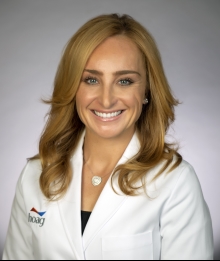
        Kathiria D. Plascencia, NP

        Kathiria D. Plascencia, NP

        Multiple Sclerosis & Neuroimmunology, Nurse Practitioner

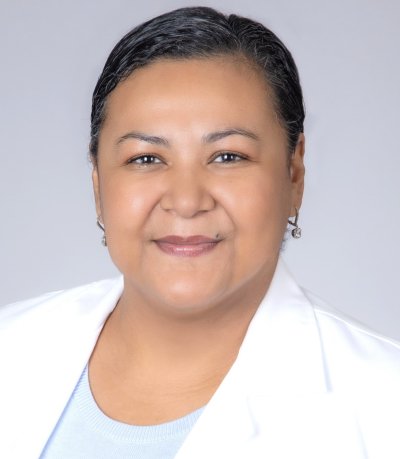
        Audrey Johns, MSN, RN, PHN

        Audrey Johns, MSN, RN, PHN

        Multiple Sclerosis & Neuroimmunology Program Nurse Navigator

        Common Questions

        MS is a chronic condition where the immune system mistakenly attacks the protective covering of nerves (myelin). This disrupts communication between the brain and body, which can cause symptoms such as fatigue, weakness, vision changes, and difficulty with balance or memory.

        Yes. The main types include:

        • Relapsing-remitting MS (RRMS): Symptoms flare up and then improve.

        • Secondary progressive MS (SPMS): Symptoms gradually worsen over time after an initial relapsing course

        • Primary progressive MS (PPMS): Symptoms steadily worsen from the start without clear relapses.

        Neuroimmunology disorders occur when the immune system affects the brain, spinal cord, or nerves. These include MS, neuromyelitis optica spectrum disorder (NMOSD), autoimmune encephalitis, and other rare conditions.

        MS is different for everyone. Some people have mild symptoms that remain stable for years, while others may experience more frequent relapses or gradual progression. Early diagnosis and treatment are key to slowing disease activity and preserving quality of life.

        There is no cure for MS yet, but many effective therapies can:

        • Reduce relapses and inflammation

        • Slow progression of disability

        • Manage symptoms such as fatigue, pain, or mobility changes

        Your care team may recommend medications, rehabilitation therapies, and lifestyle approaches tailored to your needs.

        If you’re newly diagnosed, it’s normal to feel overwhelmed. The first step is to connect with an MS specialist who can explain your diagnosis, discuss treatment options, and help you build a long-term care plan.

        While it's normal to want to find everything on the internet, its important to speak about your care with a professional who specializes in the treatment of MS. Together, you and your physician can create a care plan that helps you achieve your life goals while managing your disease and symptoms that you both understand.

        Stay up-to-date on the latest news from Hoag

        By submitting this request, you agree to receive communications from Hoag and accept our Privacy Policy and Terms of Use.


        Secondary Logo

        Personal Service Team(800) 400-4624

        Need to ask a question?Contact Us

        Quick Links

        • Patients & visitors
        • Infection prevention
        • Federal Transparency in Coverage Rule
        • Accepted health insurance
        • Prepare for your visit
        • Clinical trials
        • Hoag MyChart
        • Help paying your bill

        Professionals

        • Brokers, agents, & employers
        • Medical professionals
        • Graduate Medical Education
        • Corporate information
        • Careers

        About Hoag

        • About us
        • Contact us
        • Awards & Accreditations
        • Hoag Medical Group
        • Community health
        • Volunteer with us

        Contribute

        • Foundation
        • Donate

        © 2026 Hoag. All Rights Reserved.Legal

        facebook iconinstagram icontwitter iconyoutube iconlinkedin icon