Salsbury Family Movement Disorders Program
520 Superior, Suite 205, Newport Beach, CA 92663
Inquire now
Salsbury Family Movement Disorders Program
Pickup Family Neurosciences Institute
- About
- Diagnosis
- Conditions Treated
- Surgical Therapies
- Support Groups
- Meet the Team
- Contact Us
Our expert team provides precise diagnosis, compassionate care, and personalized support for conditions like Parkinson’s—helping patients live with confidence and dignity.
MRI Guided Focused Ultrasound
Focused Ultrasound is a non-invasive, MRI-guided treatment for essential tremor. With no incisions, it targets the brain area causing tremors, offering lasting relief and improved quality of life when medications aren’t enough.
Support Groups
Hoag offers comprehensive support for people with Parkinson’s disease, including specialized rehabilitation, speech and occupational therapy, counseling, support groups, and wellness programs to improve mobility, function, and quality of life.
Expert Care Team
Hoag’s Movement Disorders team includes two neurologists, a nurse navigator, and a social worker who work together to provide personalized, compassionate care and support for patients with Parkinson’s and other movement disorders.

Treating the Person, Not Just the Disease

Join one or more of our support groups.

Patient Testimonial Carousel
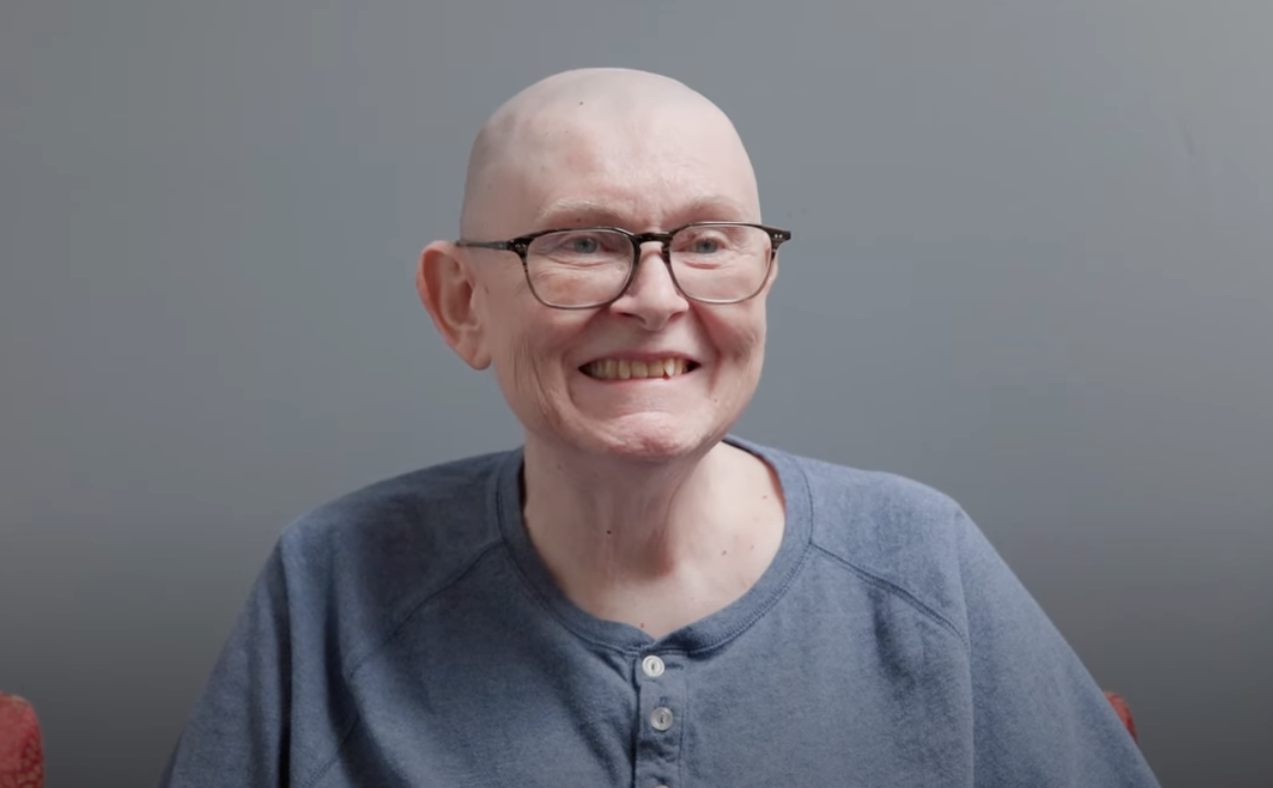
“This is a day to celebrate, says Kathy, after receiving Focused Ultrasound for Essential Tremor”
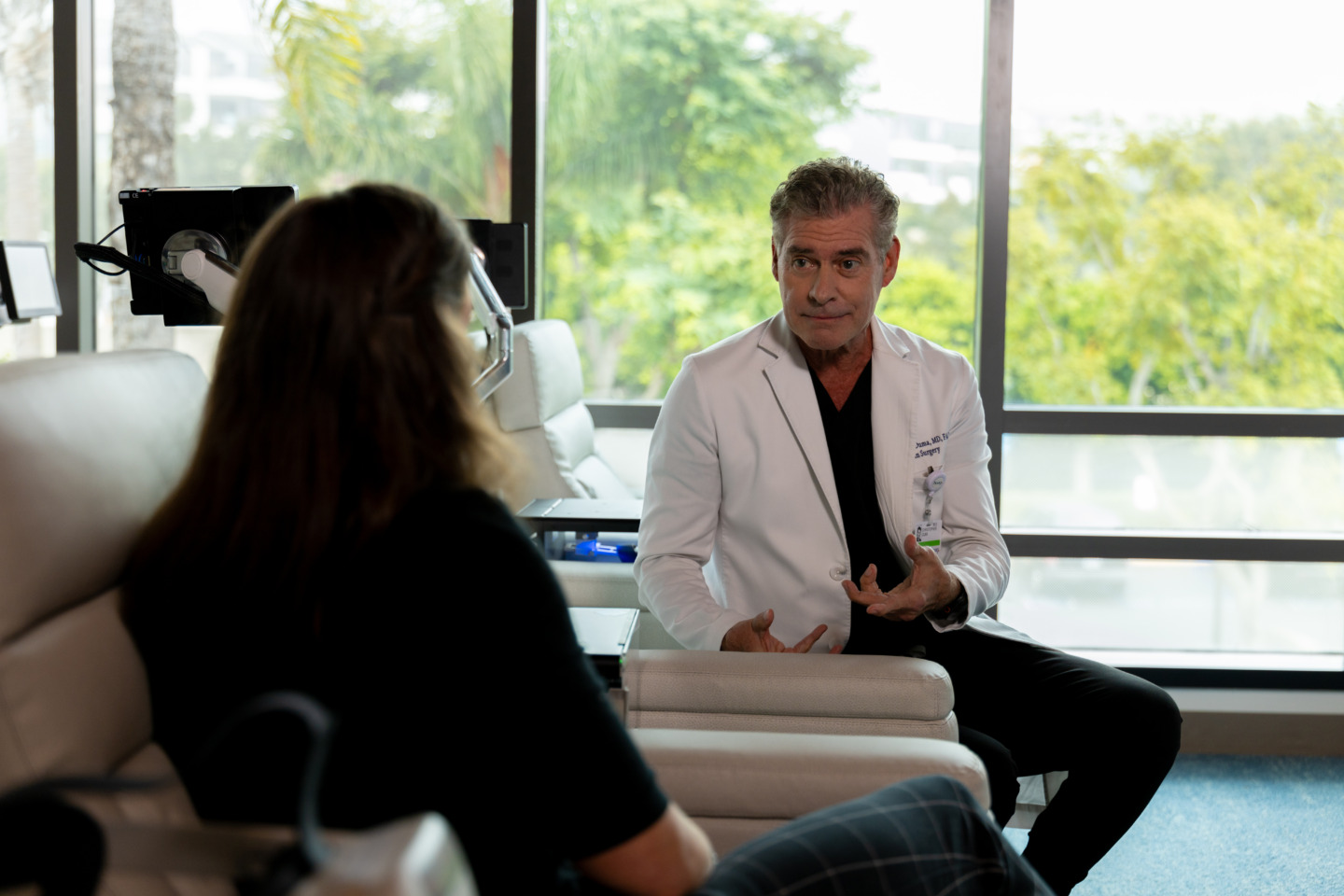
“At Hoag, we are proud to introduce advanced technologies to Orange County while they are still in development or in their early stages of use.”
Helpful Articles
Article
A Journey of Curiosity and Compassion: An Interview with Dr. Neal Hermanowicz- November 25, 2025
- 3 min read

Article
Hoag’s Commitment to Innovation Creates New Paths for Parkinson’s Treatment- August 19, 2025
- 3 min read

Your Parkinsons Care Starts Here
1
Find the right provider
Get care from medical providers that fit your needs in a location near you.
Find a provider2
Explore resources
Find information made to guide and support you on your journey back to everyday life.
Explore Resources3
Get in touch
Didn’t see what you’re looking for? Reach out and we’ll make sure you get what you need.
Contact usDiagnosis & Support Services
At Hoag’s Salsbury Family Movement Disorders Program, patients are cared for by fellowship-trained neurologists who specialize in Parkinson’s disease and movement disorders. Their expertise lies in distinguishing subtle symptoms, ruling out look-alike conditions, and using advanced diagnostic tools—including DaTscan, MRI, and other imaging technologies—to deliver an accurate and timely diagnosis. This level of specialized training helps prevent misdiagnosis, which can delay appropriate care and impact quality of life.
Accurate diagnosis is the first, and most important, step in effectively managing Parkinson’s disease and other movement disorders. Because symptoms such as tremors, stiffness, or balance problems can overlap with many other conditions, self-diagnosing or delaying care may lead to unnecessary worry or missed treatment opportunities. At Hoag, our fellowship-trained movement disorder specialists bring advanced training and experience to ensure you receive the proper diagnosis at the right time.
How Parkinson’s & Movement Disorders Are Diagnosed
Diagnosis begins with a comprehensive neurological exam and an in-depth review of your medical history. Specialists look at:
Motor symptoms such as tremor, slowness of movement, stiffness, or changes in gait and balance.
Non-motor symptoms such as sleep problems, mood changes, constipation, or cognitive changes.
Family history and risk factors that may contribute to your condition.
While there is no single test that confirms Parkinson’s disease, specialists may use:
DaTscan™ or other brain imaging to assess dopamine activity.
MRI or CT scans to rule out other causes of symptoms.
Bloodwork or genetic testing in specific cases.
A thorough, expert evaluation helps ensure you have the clearest picture of your health.
Our specialists work closely with an integrated team to support every aspect of living with Parkinson’s or a movement disorder:
Nurse Navigators: Provide a point of contact to guide patients and families through the healthcare system, coordinate care, and connect them with resources.
Social Workers: Offer emotional support, counseling, and practical assistance with community resources and long-term care planning.
Physical, Occupational & Speech Therapy: Address mobility, daily function, and communication challenges to enhance independence.
Neuropsychiatry: Focus on mood, cognition, and behavioral changes that may accompany these conditions.
Case Management: Ensures each patient’s care plan is tailored and coordinated across providers for seamless support.
Support Groups: Activities and educational classes that unite and strengthen our clinic community. We share knowledge, resources, and clinical guidance, in a caring setting.
With this team-based approach, Hoag combines world-class medical expertise with compassionate, person-centered care—empowering patients and their families to navigate diagnosis and treatment with confidence.
Conditions
Parkinson’s disease (PD) is the most common movement disorder and the second most common neurodegenerative disorder, affecting over a million Americans. PD is a slowly progressive disorder and chronic neurological condition which primarily causes:
Slowness of movement
Stiffness
Balance issues
Tremor at rest
The exact cause of PD is unknown and there is no cure. A chemical called Dopamine is responsible for normal body movement. In Parkinson’s the brain produces less dopamine and it is not absorbed correctly. Symptoms of PD vary from one person to another. Other motor symptoms may include:
Loss of arm swing when walking
Difficulty walking
Dystonia (abnormal limb spasms and position)
Freezing of gait (feeling stuck in place)
Difficulty swallowing
Difficulty projecting the voice
Small, cramped handwriting
Loss of facial expression
Non-motor symptoms can include:
Constipation
Anxiety and depression
Sleep disturbances and vivid dreams
Loss of smell (anosmia)
Urinary issues
Drooling (sialorrhea)
Blood pressure problems and dizziness when standing
The management of PD is a team approach that includes regular follow up with your movement disorder neurologist, therapy services who provide PT/OT and ST and a variety of additional supportive services. To assist with a diagnosis of PD, your movement disorder neurologist may order a daTscan which can be performed at Hoag Imaging Center.
Parkinson’s Disease Treatments:
Medications: Medications are used to control symptoms of Parkinson’s disease. These medications are tailed to your individual symptoms.
Botulinum (Botox™) injections are used to manage excessive drooling (sialorrhea) and is sometimes used to treat tremor. Botox™ is also used to treat dystonia.
Parkinson’s Disease Neurorehabilitation: This includes Physical therapy, occupational and speech therapy, which is used to maintain and improve motor function, improve balance, and reduce falls. Physical exercise can slow the progression of PD and speech therapy can improve voice function and asses swallowing difficulties.
Surgical Options for Parkinson's Disease:
Deep Brain Stimulation Surgery is a procedure that can be used to treat symptoms of PD in select individuals. The surgery involves placing an electrode into a specific location in the brain. The electrode is connected to a generator that interrupts the brain signals that cause tremor. The therapy can be adjusted to manage your symptoms and the surgery can be performed on both sides of the brain.
Focused Ultrasound is an incisionless, anesthesia-free treatment option for those living with essential tremor or tremor-dominant Parkinson’s disease. With no incisions or implants, this safe and effective procedure uses thermal ablation under MR guidance to immediately improve tremor, quality of life, and functional disability.
Essential Tremor (ET) is a common neurological movement disorder. ET causes uncontrolled, involuntary shaking, usually in the hands, but can also occur in the head, voice, and arms. The shaking becomes worse with movement, stress, caffeine, illness, fatigue, and temperature extremes. Simple tasks are affected by ET, such as holding a cup or glass, or trying to execute smaller tasks like writing, shaving, or brushing ones’ teeth. Walking and posture are not affected. Expert consultation by a neurologist trained in movement disorders assists in proper diagnosis and management of ET. Medications and deep brain stimulation surgery are successful treatment options.
Multiple System Atrophy (MSA) is a rare, progressive neurodegenerative disorder. It affects involuntary body functions (autonomic) such as blood pressure and heart rate, as well as voluntary movements. MSA can cause many varied symptoms that may look like Parkinson’s disease. It is considered a Parkinsonism or Parkinson’s Plus syndrome. Symptoms include:
Slowness
Rigidity
Balance difficulties
Gait abnormalities
Bowel, bladder, and sexual dysfunction
Tremors
Speech and swallowing difficulties
Low blood pressure, fainting episodes
Difficulty regulating body temperature
The symptoms and presentation of the disease vary from one person to another. The exact cause of MSA is unknown. Symptoms of MSA progress rapidly and there is no way to slow disease progression. Medications as well as physical, speech and occupational therapy can help manage the symptoms. Diagnosis and management by a movement disorders neurologist is highly recommended.
Progressive Supranuclear Palsy (PSP) is a rare disease that causes difficulties with movement. Symptoms include
Slowness
Rigidity and stiffness
Balance and posture difficulties
Falls
Walking difficulty
Difficulty moving eyes and controlling eye lids
Difficulties with memory, problems solving and thinking
Impulsive behavior, such as laughing or crying
Sleep disturbances
Swallowing and speech difficulties
Tremor is rare
PSP results from damage to brain cells in the parts of the brain that control thinking, balance, and movement. PSP is also known as a Parkinson’s Plus disorder because they share some of the same symptoms, however PSP progresses more rapidly. The exact cause of PSP is unknown. Medications may help for a short period of time. The goal of treatment is to manage symptoms of the disease and offer supportive therapies through a multidisciplinary team approach.
Corticobasal Degeneration (CBD) is a rare, progressive neurological disorder that causes difficulties with movement and thinking. CBD is hard to diagnose as many symptoms overlap with those of other movement disorders. The cause of CBD is unknown. The symptoms may start on one side of the body and spread to both sides. The symptoms of CBD include
New onset of “clumsiness” or difficulty executing tasks (apraxia)
Abnormal muscle postures (dystonia)
Muscle jerking (myoclonus)
Stiffness and rigidity
Swallowing and speech difficulties
Tremor
Poor balance and coordination
The goal of treatment is to manage symptoms of the disease and offer supportive therapies through a multidisciplinary team approach.
Dystonia causes involuntary and prolonged spasms and muscle contractions. This causes abnormal pulling, limb position and posture. For example, a foot curling inward or cervical dystonia, where the neck twists and pulls to one side. These abnormal movements can cause pain and difficulty in daily activities. Dystonia can be caused by brain injury, stroke, Parkinson’s disease, exposure to certain drugs or from unknown causes. Dystonia may occur on one side of the body or in multiple parts of the body. Dystonia can also occur in the jaw (oromandibular) tongue, eyelids (blepharospasm) and may even affect the voice. Effective treatments include medications and Botulinum injections. Deep brain Stimulation Surgery is another effective treatment option.
Restless Leg Syndrome (RLS) and the more severe Willis-Ekbom Syndrome is a common movement disorders characterized by an intense and irresistible urge to move. RLS worsens with age and can be triggered by dehydration, iron deficiency, caffeine, alcohol withdrawal and electrolyte imbalances. It occurs when lying down or sitting, especially for longer periods. RLS is not serious, however it causes an unpleasant sensation and is especially disruptive to sleep. RLS is effectively treated with medications and lifestyle modifications. RLS varies from person to person in severity and frequency.
Rapid Eye Movement Sleep Behavior Disorder (RBD) is a rare movement disorder that occurs during REM sleep. During normal REM sleep the body is temporarily paralyzed, however those with REM sleep behavior disorder will experience vivid dreams and act out their dreams with sudden body movements, thrashing or shouting. This disorder is disruptive to bed partners and increases the risk of injury to bed partners and those affected. RBD has been associated with Parkinson’s disease, Lewy body dementia and Multiple System Atrophy. It affects men more than women and those over the age of 50. Diagnosis is made by a movement disorders neurologist or sleep neurologist and is confirmed by conducting a sleep study. Visit Hoag's Sleep Program for more information.
Lewy Body Disease/Dementia (LBD) is a progressive neurological disease that causes problems with movement, thinking, behavior and mood. It is one of the most common causes of dementia affecting more than one million Americans. The exact cause is unknown and there is no cure, however abnormal alpha-synuclein protein misfolding and brain cell deposits have been associated with LBD. Damage to brain cells results in a loss of the important neurotransmitters Dopamine (responsible for movement, sleep, behavior, motivation) and Acetylcholine (responsible for memory, learning and other body functions). The cognitive changes that occur include hallucinations which often occur early in the disease. Symptoms include:
Hallucinations (seeing, hearing, or smelling things that are not real or present)
Memory loss
Slow thinking and difficulty learning
Disorganized thinking and changes in concentration and attention occur.
Movement problems look like Parkinson’s Disease and include stiffness, shuffling gait, slowness, freezing, balance difficulties, loss of facial expression, quiet voice, and posture changes.
Non-movement symptoms can occur and include problems with blood pressure, constipation, urinary incontinence, and changes in body temperature.
Early and accurate diagnosis by a movement disorders trained neurologist can ensure that the best supportive care and management can be offered. Mediations can help manage the cognitive symptoms.
Huntington’s Disease is an inherited, progressive neurological disorders that causes cognitive problems, emotional changes, and uncontrolled movements. It is caused by a genetic abnormality and results in slow deterioration of brain cells. Huntington’s disease can occur in children. Symptoms include:
Irritability and obsessive-compulsive behavior
Anxiety and depression
Mood swings (emotional lability)
Poor coordination
Difficulty thinking (Cognitive difficulties)
Difficulty moving
Involuntary jerking movements (chorea)
There is no cure or way to slow down disease progression. Medications may help to manage emotional and movement symptoms. The goal of treatment is to manage symptoms of the disease and offer supportive therapies through a multidisciplinary team approach.
Cerebellar Ataxia results from damage to part of the brain known as the cerebellum. It can be caused by genetic mutation, brain or spinal cord injury, stroke, brain tumors, multiple sclerosis, and alcohol misuse. Symptoms include:
Poor muscle control in the hands and legs
Lack of coordination
Balance difficulties
Problem walking
Swallowing and speech problems
Vision and eye movement problems
Depending on the cause treatment may involve surgery or medication. Additional treatment includes physical, speech and occupational therapy.
Stiff Person Syndrome (SPS) is a progressive neurological disorder and autoimmune disease, where the person develops antibodies to glutamic acid decarboxylase (GAD). GAD is a protein that is involved in making gamma aminobutyric acid (GABA). GABA is an inhibitory neurotransmitter that helps control body movements. Stiff person syndrome results in less GABA. It is often associated with other autoimmune diseases. Symptoms include:
Episodes of muscle stiffness and rigidity, especially in the body and limbs
Painful severe muscle spasms
Balance problems and falling
Walking difficulty
Hunched posture
Heightened sensitivity to noise and touch which can trigger muscle spasms
Risk of seizures
SPS is treated with medications such as steroids, muscle relaxants, IVIg, anticonvulsants and sedatives. A blood test can help diagnose SPS. Evaluation, diagnosis, and management by a movement disorder neurologist is recommended.
Tourette’s Syndrome (TS) is a disorder that causes uncontrollable, repetitive movements or “TICS”. The tics may include frequent blinking, sudden twitches, making sounds, shouting out, clearing the throat, or sniffing. The signs often begin in childhood and may improve or get worse in adulthood. TS is associated with certain psychological disorders. TS is treated with medications and behavioral therapy.
Chorea is an abnormal involuntary movement that can be characterized by irregular dance like movements of the body and limbs. These movements vary by the cause. Causes include genetic mutations, brain injury, medication side effects, uncontrolled diabetes, and illicit drug use.
Myoclonus describes sudden and quick involuntary movements. These movements can occur in all muscles of the body. Causes include brain injury, medication side effect, and severe illness.
Outpatient Rehabilitation Services
Rehabilitation plays a vital role in helping people with Parkinson’s disease and other movement disorders maintain independence, safety and quality of life. Hoag’s outpatient rehabilitation services provide individualized care plans designed to address the unique challenges patients face as symptoms change over time.
Physical Therapy Our physical therapists focus on improving strength, flexibility, posture, and mobility. Targeted exercises help reduce stiffness, improve gait and balance, and lower the risk of falls—allowing patients to move with more confidence in their daily lives.
Occupational Therapy Occupational therapists work with patients to adapt everyday tasks, such as grooming, dressing, cooking, or writing. By enhancing upper limb strength and coordination, patients can continue managing household and personal activities more independently.
Speech Therapy Speech-language pathologists help patients improve speech clarity, volume, and rhythm, which can be impacted by Parkinson’s. Therapy also addresses swallowing challenges, reducing risks of aspiration and improving nutrition and overall safety.
Specialized Programs
LSVT™ BIG and LOUD: Proven programs to improve communication, vocal strength, and movement amplitude.
Swallowing Evaluations & Therapy: Comprehensive care for dysphagia, common in later stages of Parkinson’s.
Supervised Exercise Classes: Support strength, endurance, and social connection in a safe environment.
Driving Assessments: Ensure safety and confidence behind the wheel, with recommendations for modifications or alternatives if needed.
At Hoag, rehabilitation is not just about therapy sessions—it’s about empowering patients and their families with tools, education, and strategies to thrive. By maintaining balance, flexibility, and independence, our patients can experience greater freedom in daily living.
Surgical Therapies
For some patients who do continue to experience disabling symptoms even with drug therapy, Neurosurgeon Christopher Duma, M.D., and his team use a development in tremor control therapy known as deep brain stimulation (DBS).
DBS surgery involves implanting a wire lead with electrodes through a small skull incision and positioning it within the targeted area of the brain. An additional procedure involves implanting a neurostimulator just under the skin and below the collarbone. The lead runs from the neurostimulator up the back of the neck and into the targeted brain area. Once in place, electrical impulses are sent from the neurostimulator through the lead and into the brain to interfere with and block the electrical signals that cause symptoms.
For more information about Deep Brain Stimulation, contact your Hoag-affiliated neurologist or call Hoag Parkinson’s and Movement Disorders Program at 949-764-6066.
Focused Ultrasound is an incisionless, anesthesia free treatment option for those living with essential tremor or tremor dominant Parkinson’s disease. With no incisions or implants, this safe and effective procedure uses thermal ablation under MR guidance to immediately improve tremor, quality of life, and functional disability.
Imagine undergoing brain surgery as an outpatient with reduced pain, a brief recovery period and no incision. Hoag Gamma Knife Center is the only facility in Orange County providing this effective treatment option for patients with brain disease.
Pickup Family Neurosciences Institute was the first center in Southern California to employ the revolutionary Leksell Gamma Knife® Perfexion™—the newest, most efficient and precise radiosurgical device available. With an expanded treatment area and enhanced accuracy, this Gamma Knife technology benefits significantly more patients who can now be treated with Gamma Knife radiosurgery instead of a more invasive procedure.
Developed in Sweden in the 1950s, the Gamma Knife has been in use in the United States for more than two decades, providing patients with a treatment option for brain disorders that were once only treatable by open skull surgery. With unsurpassed and proven clinical outcomes, the Gamma Knife is the gold standard in cranial radiosurgery.
In Gamma Knife radiosurgery, a focused dose of radiation is used to stop and/or reduce the growth of abnormal tissue. The Gamma Knife radiation distorts the DNA mapping of the cells and renders them unable to divide. The 192 beams of radiation are focused on the abnormal tissue area with the area of intersection conforming to the size and shape of the target. Each of the individual beams provides a relatively small, harmless dose of radiation. Only at the point where the narrow beams converge is the radiation at its most powerful, therefore preventing injury to surrounding healthy tissue.
Equipped with the most advanced radiosurgical device available, Leksell Gamma Knife® Perfexion™, Hoag’s treatment system takes Gamma Knife radiosurgery one step further.
Leksell Gamma Knife Perfexion delivers the most efficient and precise radiosurgery treatments to date. With an expanded treatment area and enhanced accuracy, this sophisticated system allows Hoag clinicians to treat tumors that were unreachable using previous technology. Gamma Knife treatments take place in a single day without an incision, allowing patients to quickly resume their normal activities.
Join one or more of our support groups. Connect with others living with Parkinson’s and flourish
Whether you are newly diagnosed or have been living with Parkinson’s disease for many years, our support groups unite and strengthen our clinic community. We share knowledge, resources, and clinical guidance, in a caring setting.
Unless noted, all of the groups are facilitated by our clinic Nurse Navigator Belinda Stewart-Burger, MSN, RN, CRRN, CNRN, SCRN, and clinical social worker, Joey Nesler MSW LCSW.
All groups are held in Newport Beach, except Painting with Parkinson's, which meets in Irvine.
Registration is free but required. (space is limited). To register, call Joey at (949) 764-8835 or email joey.nesler@hoag.org
Please contact us in advance to alert our team of any accommodations you may require so we can assist you.
Free Support Groups Available
Meets every Monday
11:30 AM - 12:30 PM
*Please note medical clearance is required
Second Friday of every month
10:30 AM - 12:00 PM
Second Friday of every month
10:30 AM - 12:00 PM
Third Friday of every month
10:30 AM - 12:00 PM
Fourth Friday of every month
10:30 AM - 12:00 PM
First Saturday of every month
10:00 AM - 11:30 AM
NOTE: This group will meet at our Irvine location
Support Group Ground Rules
1. Confidentiality is crucial; we expect that each person will respect & maintain the privacy of the group.
2. What is said in the group stays in the group.
3. We don't discuss members who are not present.
4. We are here to share our own feelings & experiences.
5. We try not to give advice.
6. We try to give everyone an opportunity to share.
7. We give supportive attention to the person who is speaking & avoid side conversations.
8. We do not engage in marketing or distribution of printed information.
9. We begin & end our meetings on time.
10. If you are feeling unwell, please skip the meeting and attend when you're feeling better
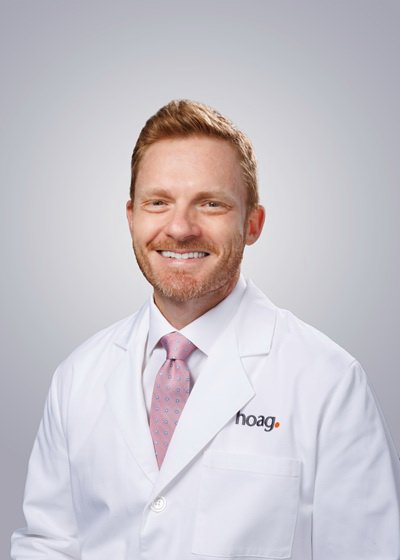
Neurologist, Parkinson's and Movement Disorders Program
Chief of Neurosurgery
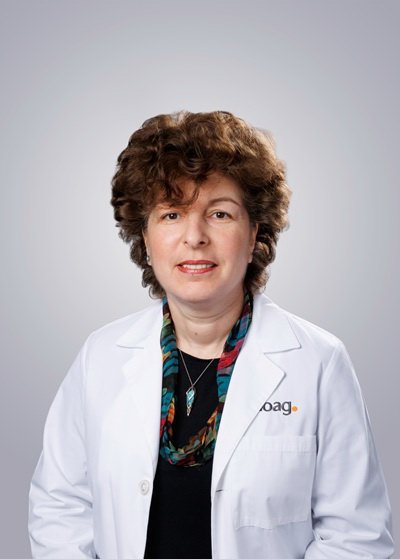
Neurologist, Parkinson's and Movement Disorders Program
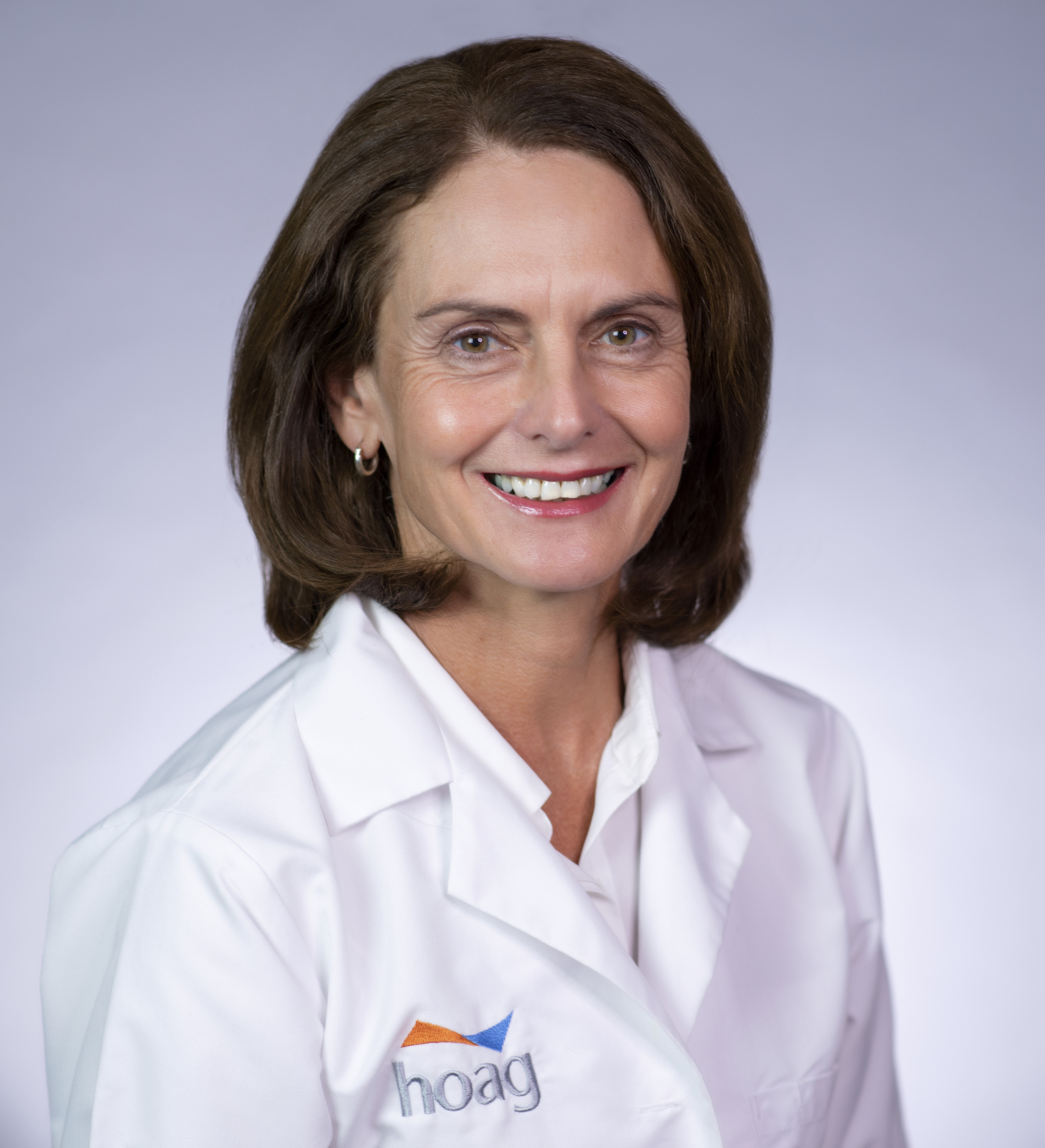
Parkinson's & Movement Disorders Nurse Navigator
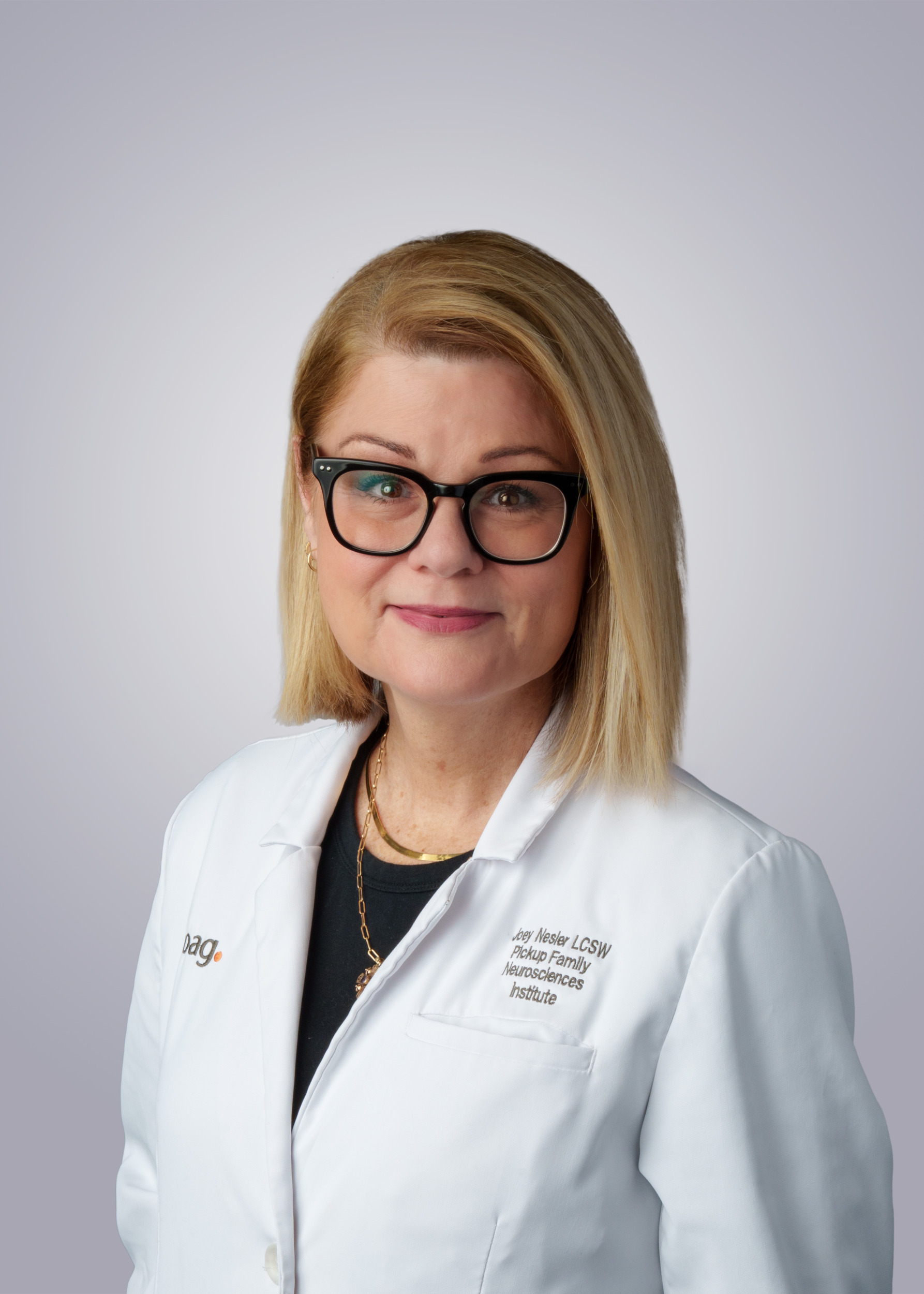
Parkinson's & Movement Disorders Clinical Social Worker
Hoag Affiliate Physicians
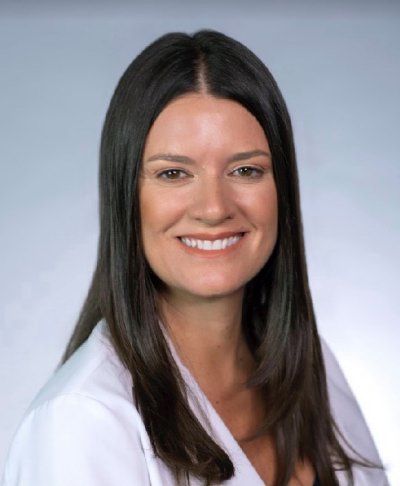
Neurologist and Movement Disorders Specialist

Director of Radiosurgery

Neurologist and Movement Disorders Specialist
Contact Us
Call Today
Newport (Dr. Hermanowicz, Dr. Morenkova or Dr. Thakkar)
San Clemente (Dr. Hermanowicz)
Orange, Huntington Beach or Irvine (Dr. Thakkar)
Aliso Viejo (Dr. Bixby)
Huntington Beach (Dr. Saremi)
To speak with the Nurse Navigator, call (949) 764-6277
For general program inquiries, call (949) 764-6066
Stay up-to-date on the latest news from Hoag
By submitting this request, you agree to receive communications from Hoag and accept our Privacy Policy and Terms of Use.