Why PCOS acne is different—and how to get it under control
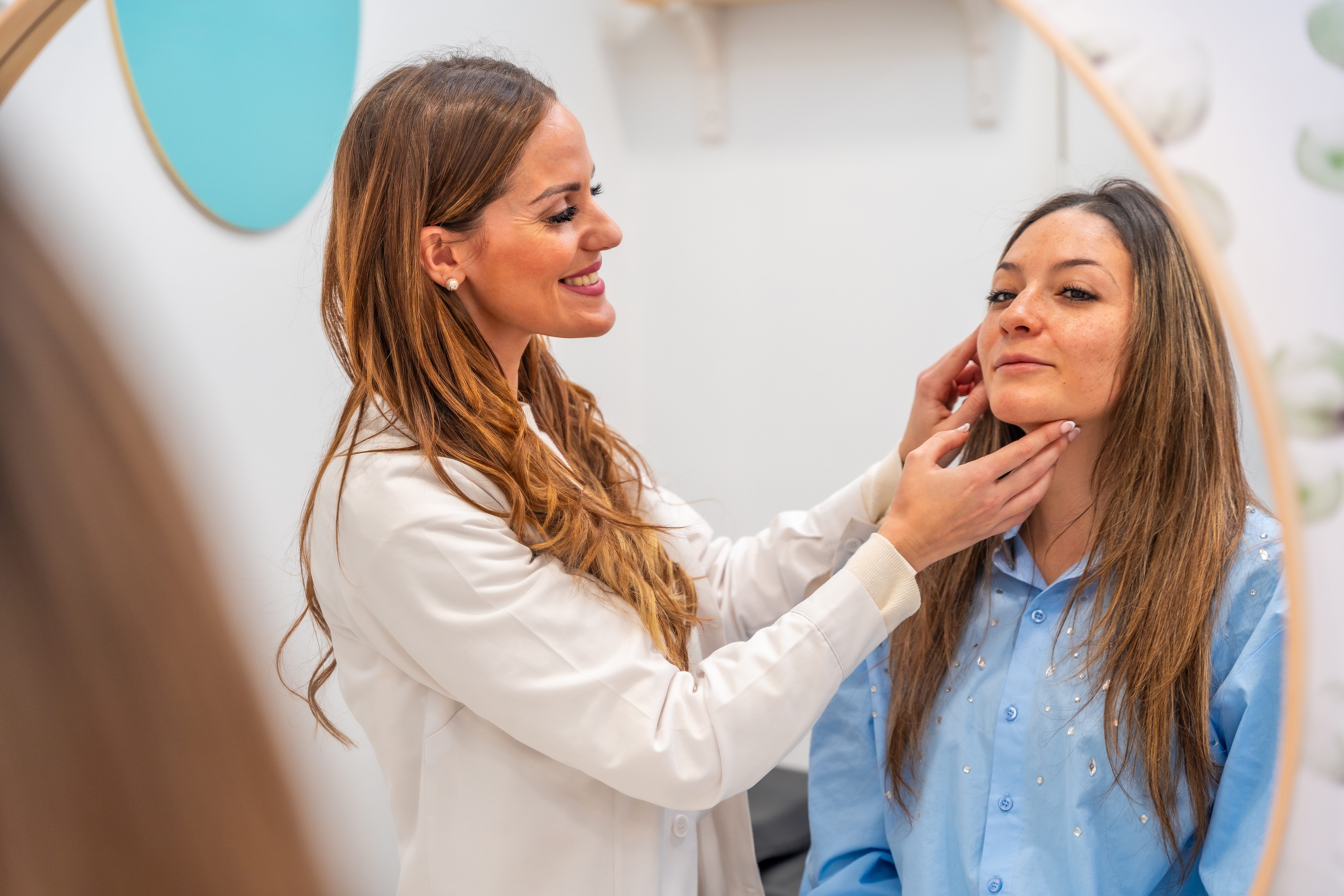
Acne is frustrating at any age, but when it’s tied to Polycystic Ovary Syndrome (PCOS), it can feel especially stubborn and unpredictable. Many people with PCOS struggle with breakouts well into adulthood, along with other skin concerns like excess oil, dark patches, and unwanted facial hair. However, with the right combination of medical care and daily skin habits, PCOS-related acne can be treated effectively.
Hoag dermatologist Dr. Neda Mehr and Hoag OBGYN Dr. Vinita Speir explain why PCOS affects the skin and the treatment options that work.
Why PCOS causes acne and skin changes
PCOS is a hormonal disorder that affects how the ovaries function. One of its hallmarks is higher levels of androgens (male-type hormones), which can:
Increase oil production
Clog pores more easily
Trigger inflammation in the skin
Promote hair growth in areas like the chin or jawline
Contribute to darkened skin patches (acanthosis nigricans)
This is why PCOS acne often appears along the jawline, chin, and lower cheeks and tends to be deeper, cystic, and harder to clear than typical teenage acne.
Step 1: Treat the hormonal root cause
“Topical products alone may not be enough for PCOS-related acne,” says Dr. Speir. “Treating the underlying hormone imbalance is often key.”
Medical treatment options may include:
Hormonal birth control as certain oral contraceptives can lower androgen levels and reduce breakouts.
Anti-androgen medications (such as spironolactone), which help block the effects of excess testosterone on oil glands.
Insulin-sensitizing medications—for people with insulin resistance, improving blood sugar control can also help reduce androgen production.
These treatments should always be guided by a healthcare provider, especially since PCOS affects more than just the skin.
Step 2: Build a gentle, consistent skincare routine
“Skin and hair changes caused by PCOS, like acne on the lower face and jawline, thinning hair on the scalp, and unwanted facial hair, are just an external manifestation of internal hormonal imbalances,” says Dr. Mehr. “So, consistency is key. Avoid oil and cream-based moisturizers and makeups as they could clog your skin and lead to breakouts.”
Smart skincare basics she recommends:
Use a gentle, non-comedogenic cleanser twice daily
Choose oil-free or gel-based moisturizers
Avoid aggressive scrubs that worsen inflammation
Use non-comedogenic makeup and sunscreen
Helpful acne-fighting ingredients:
Salicylic acid (unclogs pores)
Benzoyl peroxide (kills acne-causing bacteria)
Retinoids (improve cell turnover and prevent clogged pores)
Azelaic acid (helps with acne and dark spots)
Consistency matters more than product overload.
Step 3: Watch for other PCOS-related skin issues
PCOS can cause more than acne. You may also notice:
Dark patches of skin (neck, underarms, groin)
Oily scalp or dandruff
Excess facial or body hair
Hair thinning on the scalp
These symptoms are often tied to insulin resistance or androgen levels. Treating PCOS systemically can improve these skin changes over time.
Step 4: Support your skin with lifestyle changes
Lifestyle changes won’t cure PCOS, but they can improve hormone balance and reduce acne severity.
Helpful habits include:
Avoiding dairy as it can exacerbate acne
Taking a daily oral probiotic
Getting regular physical activity
Managing stress, as high cortisol can worsen breakouts
Getting enough sleep to regulate hormones
Small, sustainable changes can make a noticeable difference in skin health over time.
When to see a doctor
If your acne:
Is painful or cystic
Isn’t responding to over-the-counter treatments
Is accompanied by irregular periods or hair growth
Is affecting your confidence or mental health
…it may be time to see a dermatologist or gynecologist familiar with PCOS. Treating both the skin and hormonal aspects together offers the best results.
Remember…
PCOS-related acne isn’t just a cosmetic issue. It’s a reflection of hormonal imbalance inside the body. While it can be stubborn, it is highly treatable with a personalized plan that may include medication, targeted skincare, and healthy lifestyle support. Clearer skin is possible and if you’re one of the many people with PCOS, it’s an important step toward feeling more in control of your overall health.