

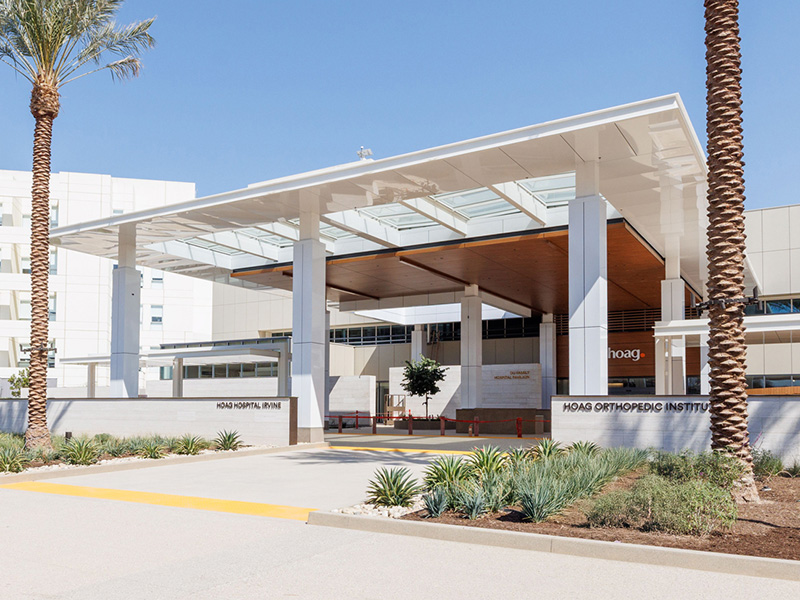
Hoag Hospital Newport Beach
1 Hoag Drive
Newport Beach, CA 92663
(949) 764-5573
1 Hoag Dr, Newport Beach, CA 92663
(949) 764-4624


Interventional Radiology

Radiology & Imaging Services Physician, Cardiovascular Radiologist

Radiology & Imaging Services Physician

Radiology

Radiology & Imaging Services Physician

Associate Director, Breast Imaging at Hoag Breast Center

1 Hoag Drive
Newport Beach, CA 92663
(949) 764-5573

26671 Aliso Creek Road, Suite 106
Aliso Viejo, CA 92656
(949) 764-5573

19582 Beach Boulevard, Suite 150 & 160
Huntington Beach, CA 92648
(949) 764-5573

1190 Baker Street, Suite 102
Costa Mesa, CA 92626
(949) 764-5573

16305 Sand Canyon Avenue, Suite 160
Irvine, CA 92618
(949) 557-0180

1 Hoag Drive
Newport Beach, CA 92663
(949) 764-5780
Diagnostic mammography, breast ultrasound, breast MRI, breast biopsy, and screening

26672 Portola Parkway, Suite 106
Foothill Ranch, Lake Forest, CA, 92610
(949) 764-5573

15000 Kensington Park Drive, Suite 150
Tustin, CA 92782
(714) 477-8340

360 San Miguel Drive, Suite 106
Newport Beach, CA 92660
949-721-8191

510 Superior Avenue, Suite 100
Newport Beach, CA 92663
(949) 764-5573
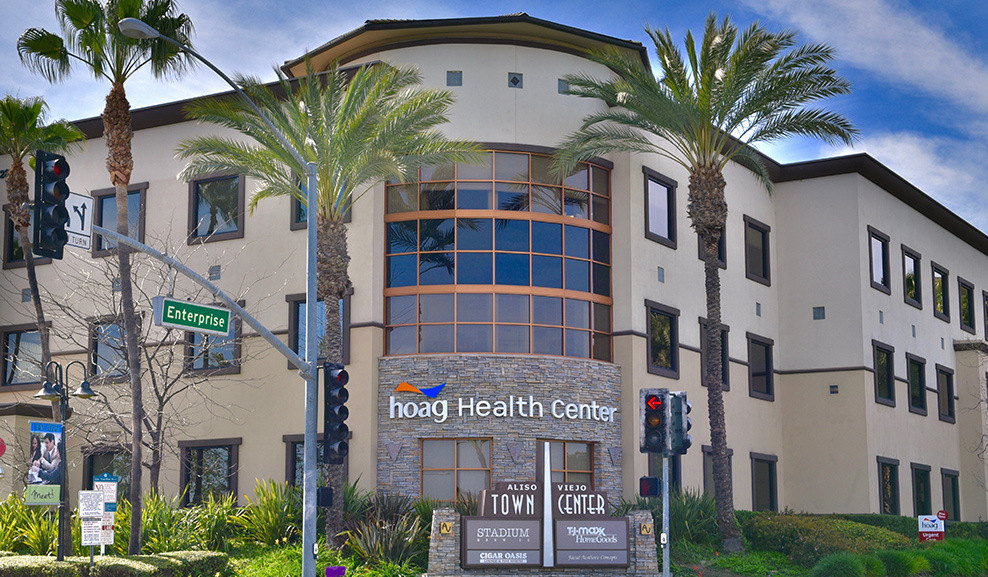
1 Hoag Drive, Building #47
Newport Beach, CA 92663
(949) 764-5573

4870 Barranca Parkway, Suite 100
Irvine, CA 92604
(949) 764-5573

6352 Irvine Boulevard
Irvine, CA 92620
(949) 764-5573
Get care from medical providers that fit your needs in a location near you.
Find a providerDidn’t see what you’re looking for? Reach out and we’ll make sure you get what you need.
Contact usIn MR arthrography, a small amount of contrast (gadolinium) is injected directly into the joint of interest (e.g. hip, shoulder, knee). This allows for detailed evaluation of structures that are difficult to see by conventional MRI examination. Structures particularly well evaluated by this technique include the joint capsule, ligaments, tendons and labrum.
In addition to the standard MRI examination routinely used to image the brain and central nervous system, a number of advanced imaging techniques are available which are helpful in the diagnosis and management of various neurological conditions, including brain tumors, stroke, and dementia. These techniques include Magnetic Resonance (MR) Angiography, MR Spectroscopy, MR Perfusion, Functional MRI, and Diffusion Tensor Imaging (DTI) and Tractography.
A biopsy is a procedure in which cells are removed from suspicious areas and analyzed by a physician specializing in pathology, to determine whether or not cancer is present. Because suspicious areas in the breast are more commonly discovered by imaging rather than by being felt in an external examination, imaging is often the best method to direct the breast biopsy procedure. Biopsies done under radiologic guidance are performed with a needle instead of subjecting the patient to disfiguring surgery.
Magnetic resonance imaging (MRI) of the breast is an important new approach in which to diagnose and characterize abnormalities in the breasts. Because images produced by MRI are very detailed, this technology can detect small changes or abnormalities.
Breast MRI frequently can be used to determine whether or not an area is cancerous, thereby avoiding unnecessary biopsies; it is especially helpful for evaluation of very dense breasts. This exam is also used to check for leakage or rupture of breast implants.
Breast ultrasound examination produces images of your breast using inaudible sound waves in a frequency range far above the range of human hearing. This procedure also is known as a sonogram. A breast ultrasound may be ordered by your physician or recommended by your radiologist to obtain more information about a possible abnormality. It is frequently done to assess the characteristics of a lump.
Magnetic Resonance Imaging (MRI) produces images of the body’s internal structures by passing radio waves through a powerful magnetic field. Differing frequencies of radio waves are produced by the different body structures, in return, and these are mapped and converted into digital images by a computer. MRI is especially good for imaging soft tissues in the body, including the brain, nerves, muscles and organs.
Detailed MR images allow physicians to better evaluate various parts of the body and certain diseases that may not be assessed adequately with other imaging methods such as x-ray, ultrasound or computed tomography (also called CT or CAT scanning).
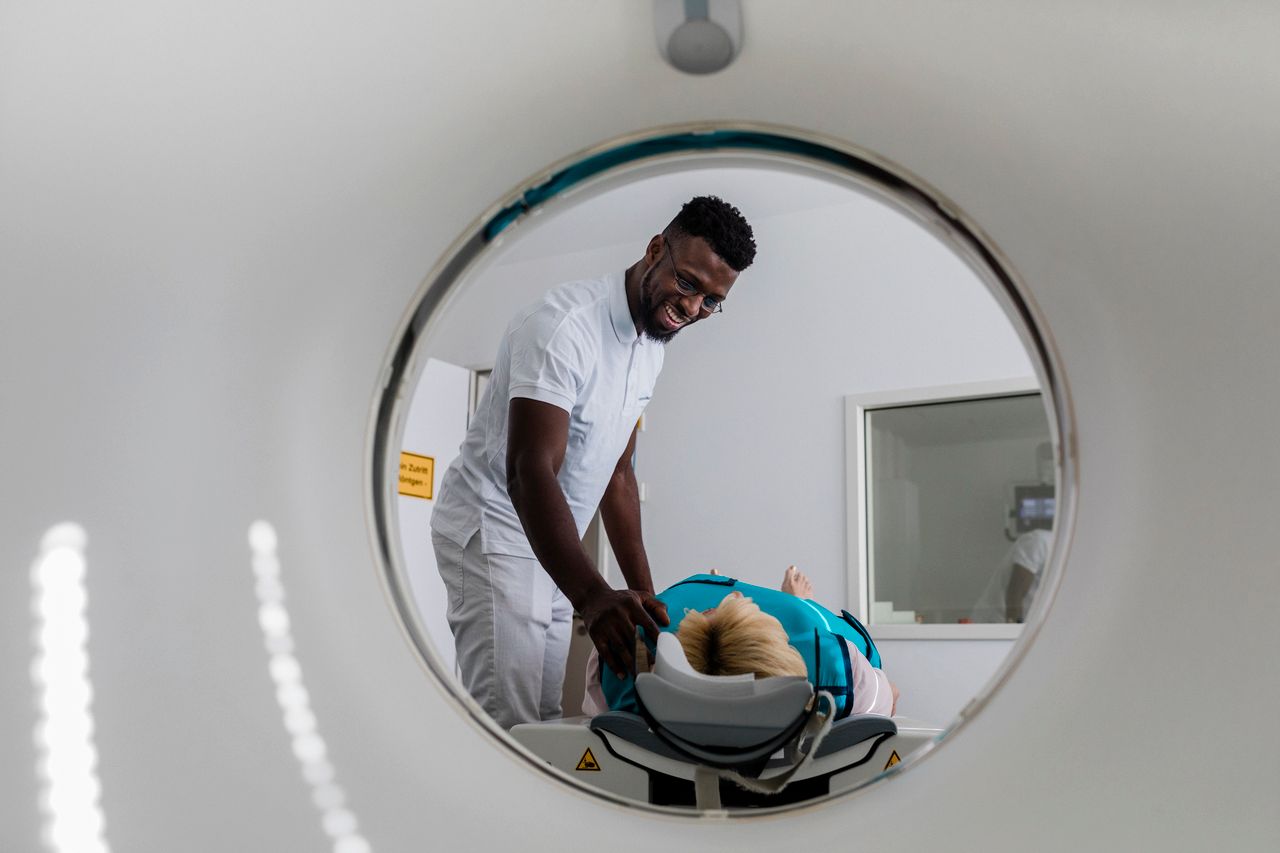
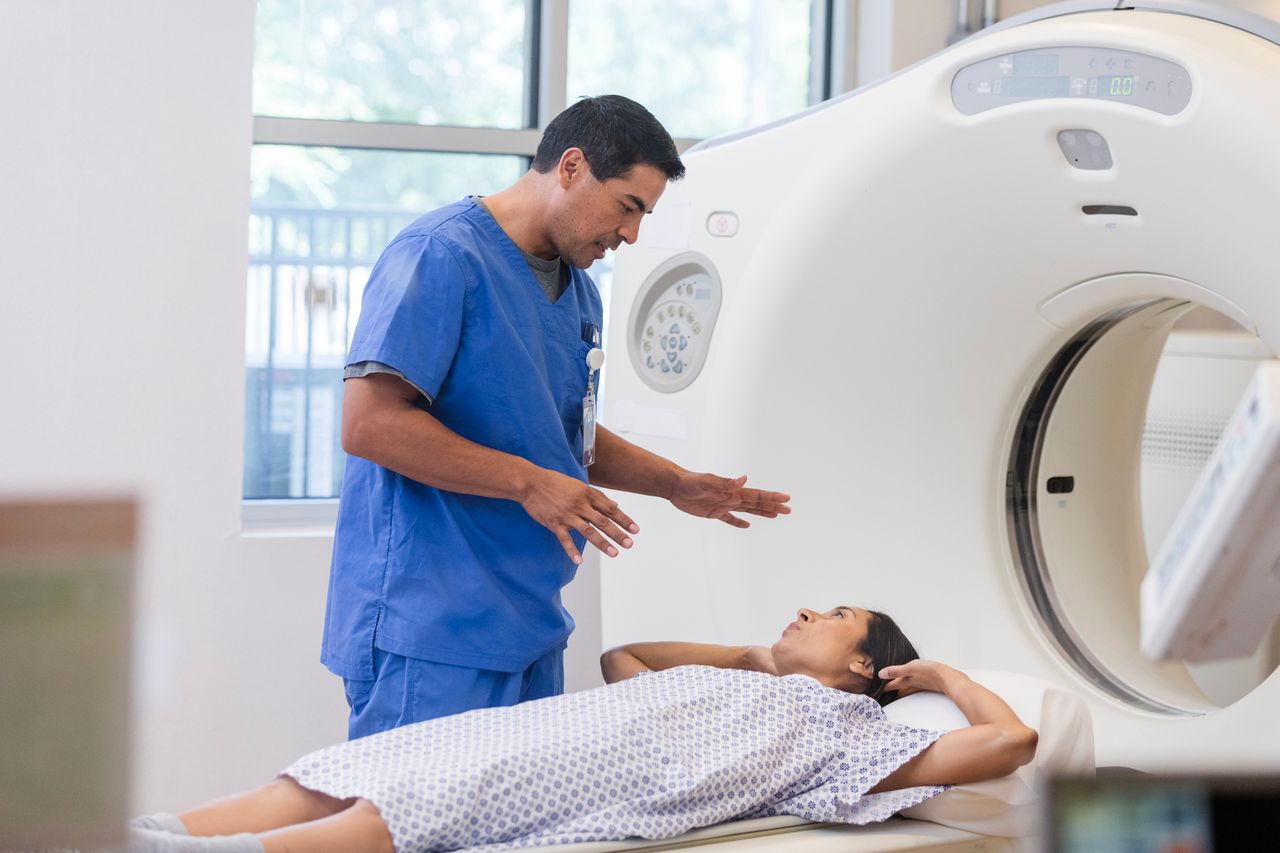
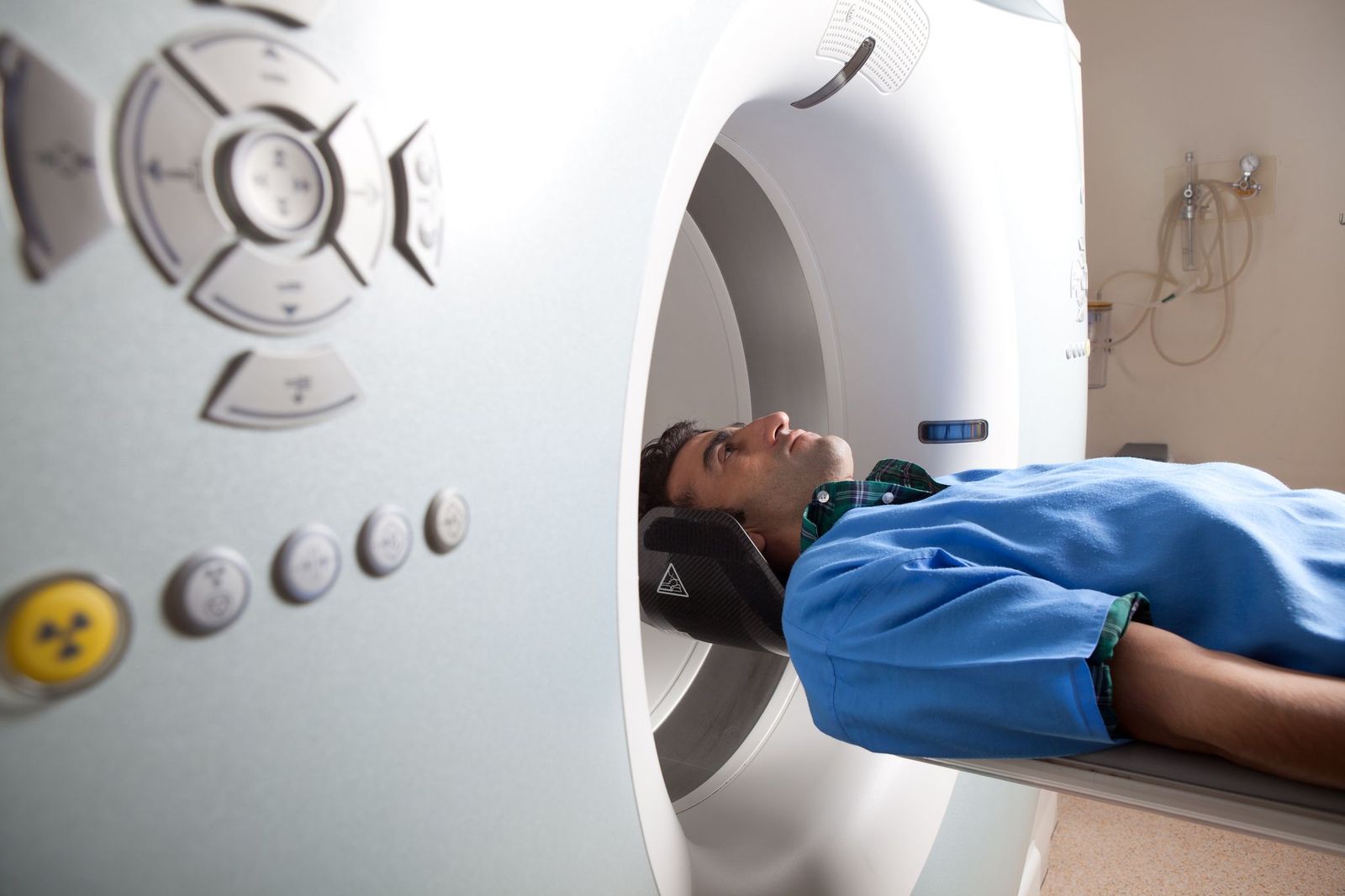
CT scanning – sometimes called CAT scanning – is a noninvasive medical test that helps physicians diagnose and treat medical conditions.
CT scanning combines special X-ray equipment with sophisticated computers to produce multiple images or pictures of the inside of the body.
Coronary CT angiography (CTA) is a non-invasive examination used to visualize the coronary arteries in order to assess whether there are blockages or restrictions to the flow of blood (and oxygen) to the heart. Coronary CTA is a form of CT (computed tomography), which uses the latest state of the art CT scanners in order to freeze cardiac motion while contrast is administered through an IV in the arm, and allow for both 2D, 3D and 4D visualization of cardiac structures such as the coronary arteries.
Dual-energy X-ray absorptiometry (DEXA) is a technology that uses a very low amount of X-ray energy to detect the presence of osteoporosis. Bone mineral content tends to begin declining in people who are in their mid-30s or older, and the loss of bone tissue accelerates in women after menopause. Reduction of mineral content, characterized by porous and brittle bones, is known as osteoporosis. It’s a potentially serious condition because it makes bones more vulnerable to fractures and ultimately can lead to diminished mobility and independence.
DEXA scanning can identify low bone density in patients at an early stage, enabling doctors to prescribe appropriate treatment before the condition worsens. Images of the lower spine and hips are most often used in checking for osteoporosis.
Some internal organs—such as kidneys, blood vessels and the organs of the gastrointestinal tract—can best be visualized on X-ray film when the patient ingests a contrast material. This blocks nearly all photons and makes tissues in which the contrast is distributed appear bright white. The contrast medium may be given orally, intravenously or rectally, depending upon the area to be studied.
Interventional radiology constitutes a major advance in medicine, encompassing procedures that eliminate the need for large incisions, with far less risk, less pain and shorter recovery times than traditional surgical procedures. NHRA has a staff of fellowship-trained interventional radiologists who specialize in neurological (head and spine) and body procedures.
Interventional neuroradiology (also known as neurointerventional surgery, or endovascular neurosurgery, or endovascular surgical neuroradiology) is a subspecialty of Hoag Radiology that utilizes advanced imaging and minimally invasive techniques for the treatment of life-threatening conditions of the blood vessels and of the brain and spine, such as acute stroke, cerebral aneurysms, arterial stenosis, and vascular malformations.
A mammogram is a low-dose X-ray examination of the breast tissue. Mammograms are commonly performed to look for breast cancer, but also can detect non-cancerous masses, cysts, calcifications and sometimes breast implant ruptures. Traditional analog mammograms are recorded and stored on X-ray film. With digital mammography, the images are recorded and stored on computerized media. The method of performing the exam and the image quality are identical for analog and digital mammography.
Hoag is proud to announce that it is the first hospital on the West Coast to routinely offer patients a revolutionary hybrid technology that will forever change the way neurology, cancer and cardiac patients are diagnosed and treated.
Positron emission tomography/magnetic resonance imaging (MR/PET), is an innovative imaging technology that will help in early and accurate diagnosis of various cancers, degenerative neurological disorders such as Alzheimer’s disease, mild traumatic brain injury and heart disease. MR/PET will also help physicians tailor treatment options to ensure patients receive the care that will most likely work best for them.
Magnetic Resonance Imaging is truly one of the medical wonders of the modern world, giving physicians the ability to see internal tissues and even brain function in three-dimensional detail.
Hoag stands ready, with a convenient MRI imaging center near you. From joint issues to next-generation techniques like functional magnetic resonance imaging (fMRI) and Magnetic Resonance Venography (MRV), Hoag has the tools and technology to get to the root of the problem and find the treatment you need to heal.
Nuclear Medicine is a subspecialty within the field of radiology. It includes diagnostic imaging studies that demonstrate body anatomy and function. The images are based on the distribution of a radioactive substance given to the patient, either intravenously, by mouth or inhaled into the lungs. Generally, radiation to the patient is similar to that resulting from standard x-ray examinations. Nuclear medicine images can assist the physician in diagnosing diseases. Tumors, infections and other disorders can be diagnosed by evaluation organ function.
Positron Emission Tomography, also called PET, is a diagnostic tool that produces images that demonstrate organ function. PET images are based on the detection of subatomic particles, specifically positrons.
Positrons are emitted from a radioactive substance administered to the patient and are ultimately detected by special crystals within the PET scanner. This information is then digitized to produce a 3-Dimensional image of the whole body or of a specific organ. With PET/CT, Computerized Tomography images are also obtained, which show detailed views of the structure of the body part being examined. The two types of images are “fused” by a computer into a set of pictures that shows both anatomical detail and function of the area being examined.
Spinal injections are performed either to confirm a suspected diagnosis or to reduce pain and inflammation resulting from spinal problems. These injections are performed under fluoroscopy by an interventional radiologist.
Game-changing medical innovations are being pushed to the forefront every day, and in few areas is that more true than medical imaging, including advancements in ultrasound technology.
Hoag is at the forefront of these groundbreaking techniques. From monitoring fetal development and allowing parents to see their child’s face long before birth, to doppler ultrasound techniques that give cardiologists a way to visualize blood flow through the heart and blood vessels as it happens, Hoag is leading the way.
In MR arthrography, a small amount of contrast (gadolinium) is injected directly into the joint of interest (e.g. hip, shoulder, knee). This allows for detailed evaluation of structures that are difficult to see by conventional MRI examination. Structures particularly well evaluated by this technique include the joint capsule, ligaments, tendons and labrum.
In addition to the standard MRI examination routinely used to image the brain and central nervous system, a number of advanced imaging techniques are available which are helpful in the diagnosis and management of various neurological conditions, including brain tumors, stroke, and dementia. These techniques include Magnetic Resonance (MR) Angiography, MR Spectroscopy, MR Perfusion, Functional MRI, and Diffusion Tensor Imaging (DTI) and Tractography.
A biopsy is a procedure in which cells are removed from suspicious areas and analyzed by a physician specializing in pathology, to determine whether or not cancer is present. Because suspicious areas in the breast are more commonly discovered by imaging rather than by being felt in an external examination, imaging is often the best method to direct the breast biopsy procedure. Biopsies done under radiologic guidance are performed with a needle instead of subjecting the patient to disfiguring surgery.
Magnetic resonance imaging (MRI) of the breast is an important new approach in which to diagnose and characterize abnormalities in the breasts. Because images produced by MRI are very detailed, this technology can detect small changes or abnormalities.
Breast MRI frequently can be used to determine whether or not an area is cancerous, thereby avoiding unnecessary biopsies; it is especially helpful for evaluation of very dense breasts. This exam is also used to check for leakage or rupture of breast implants.
Breast ultrasound examination produces images of your breast using inaudible sound waves in a frequency range far above the range of human hearing. This procedure also is known as a sonogram. A breast ultrasound may be ordered by your physician or recommended by your radiologist to obtain more information about a possible abnormality. It is frequently done to assess the characteristics of a lump.
Magnetic Resonance Imaging (MRI) produces images of the body’s internal structures by passing radio waves through a powerful magnetic field. Differing frequencies of radio waves are produced by the different body structures, in return, and these are mapped and converted into digital images by a computer. MRI is especially good for imaging soft tissues in the body, including the brain, nerves, muscles and organs.
Detailed MR images allow physicians to better evaluate various parts of the body and certain diseases that may not be assessed adequately with other imaging methods such as x-ray, ultrasound or computed tomography (also called CT or CAT scanning).
CT scanning – sometimes called CAT scanning – is a noninvasive medical test that helps physicians diagnose and treat medical conditions.
CT scanning combines special X-ray equipment with sophisticated computers to produce multiple images or pictures of the inside of the body.
Coronary CT angiography (CTA) is a non-invasive examination used to visualize the coronary arteries in order to assess whether there are blockages or restrictions to the flow of blood (and oxygen) to the heart. Coronary CTA is a form of CT (computed tomography), which uses the latest state of the art CT scanners in order to freeze cardiac motion while contrast is administered through an IV in the arm, and allow for both 2D, 3D and 4D visualization of cardiac structures such as the coronary arteries.
Some internal organs—such as kidneys, blood vessels and the organs of the gastrointestinal tract—can best be visualized on X-ray film when the patient ingests a contrast material. This blocks nearly all photons and makes tissues in which the contrast is distributed appear bright white. The contrast medium may be given orally, intravenously or rectally, depending upon the area to be studied.
Interventional radiology constitutes a major advance in medicine, encompassing procedures that eliminate the need for large incisions, with far less risk, less pain and shorter recovery times than traditional surgical procedures. NHRA has a staff of fellowship-trained interventional radiologists who specialize in neurological (head and spine) and body procedures.
Hoag is proud to announce that it is the first hospital on the West Coast to routinely offer patients a revolutionary hybrid technology that will forever change the way neurology, cancer and cardiac patients are diagnosed and treated.
Positron emission tomography/magnetic resonance imaging (MR/PET), is an innovative imaging technology that will help in early and accurate diagnosis of various cancers, degenerative neurological disorders such as Alzheimer’s disease, mild traumatic brain injury and heart disease. MR/PET will also help physicians tailor treatment options to ensure patients receive the care that will most likely work best for them.
Magnetic Resonance Imaging is truly one of the medical wonders of the modern world, giving physicians the ability to see internal tissues and even brain function in three-dimensional detail.
Hoag stands ready, with a convenient MRI imaging center near you. From joint issues to next-generation techniques like functional magnetic resonance imaging (fMRI) and Magnetic Resonance Venography (MRV), Hoag has the tools and technology to get to the root of the problem and find the treatment you need to heal.
Nuclear Medicine is a subspecialty within the field of radiology. It includes diagnostic imaging studies that demonstrate body anatomy and function. The images are based on the distribution of a radioactive substance given to the patient, either intravenously, by mouth or inhaled into the lungs. Generally, radiation to the patient is similar to that resulting from standard x-ray examinations. Nuclear medicine images can assist the physician in diagnosing diseases. Tumors, infections and other disorders can be diagnosed by evaluation organ function.
Positron Emission Tomography, also called PET, is a diagnostic tool that produces images that demonstrate organ function. PET images are based on the detection of subatomic particles, specifically positrons.
Positrons are emitted from a radioactive substance administered to the patient and are ultimately detected by special crystals within the PET scanner. This information is then digitized to produce a 3-Dimensional image of the whole body or of a specific organ. With PET/CT, Computerized Tomography images are also obtained, which show detailed views of the structure of the body part being examined. The two types of images are “fused” by a computer into a set of pictures that shows both anatomical detail and function of the area being examined.
Spinal injections are performed either to confirm a suspected diagnosis or to reduce pain and inflammation resulting from spinal problems. These injections are performed under fluoroscopy by an interventional radiologist.

Interventional Radiology

Radiologist

Interventional Neuroradiologist

Radiology & Imaging Services Physician

Radiology & Imaging Services Physician

Radiology & Imaging Services Physician

Radiology & Neuroradiology, Senior Physician Executive, Vice President of Clinical Research Administration, CATALiST and Addiction Services

Radiology & Imaging Services Physician

Radiology & Imaging Services Physician, Cardiovascular Radiologist

Radiology & Imaging Services Physician

Radiology

Interventional Radiology

Interventional Radiology

Radiology

Radiology & Imaging Services Physician

Radiology & Imaging Services Physician, Cardiovascular Radiologist

Radiology & Imaging Services Physician

Neuro Radiologist

Interventional Radiology

Radiology

Radiology & Imaging

Medical Director, Breast Imaging at Hoag Breast Center

Radiology

Associate Director, Breast Imaging at Hoag Breast Center

Radiology & Imaging Services Physician

Radiology & Imaging Services Physician

Radiology & Imaging Services Physician

Neuroradiologist

Radiology

Radiology & Imaging Services Physician

Radiology & Imaging Services Physician

Radiology & Imaging Services Physician

Radiology & Imaging Services Physician

Radiology

Radiology
Radiology / Imaging plays an often critical role in the correct diagnosis and treatment of many conditions, so the experience and training of the radiologists interpreting studies and performing image-guided procedures is paramount. Our radiologists are all board certified, fellowship trained, and sub-specialized. Many hold academic and teaching appointments at California medical schools, are involved in clinical research projects, and are asked to lecture at local and national conferences.
Unlike many other Radiology / imaging centers, Hoag hospitals and outpatient centers meet the strict requirements set by the DNV NIAHO Accreditations Program. Hoag Breast Care Center is the only breast center in Orange County, and one of few nationwide, to be designated a Certified Quality Breast Center by the NQMBC. Our Picture Archival and Communication System (PACS) allows every study to be reviewed by sub-specialized radiologists no matter where or when it is performed. We utilize 100% digital imaging systems including 64-slice CT, CT-PET fusion, 3T MRI, digital mammography with computer-aided detection (CAD), and high-resolution ultrasound.
All Radiology & Imaging can be scheduled through our centralized call center and Hoag’s locations throughout Orange County offer added convenience. Our technologists and support staff are dedicated to patient-centered care. Reports are typically available within an hour of scanning, and referring physicians can choose to receive reports by fax the moment they are finalized. Critical results are always called to the referring physician immediately.
Hoag is both a community hospital and a full service, tertiary care facility. We offer everything from basic screening tests to cutting edge procedures. Many patients are referred to Hoag from other parts of the state and country to consult with our experts. Having all of your Radiology & Imaging performed at Hoag is step toward ensuring coordinated, high-level care.
Hoag offers radiology & imaging services at seven convenient locations throughout Orange County. Imaging services include: Advanced Musculoskeletal Imaging, Advanced Neuroimaging, Breast Biopsy, Breast MRI, Breast Ultrasound, Cardiac MRI, Computed Tomography (CT), Coronary/Cardiac CT Angiography, DEXA Scan, Interventional Neuroradiology, Interventional Radiology, Mammography, MR/PET, MRI, Nuclear Medicine, PET/CT, Spinal and Musculoskeletal Injections and Ultrasound. Services vary by location so please call ahead to confirm service offering at each location.

1 Hoag Drive
Newport Beach, CA 92663
(949) 764-5573


26671 Aliso Creek Road, Suite 106
Aliso Viejo, CA 92656
(949) 764-5573
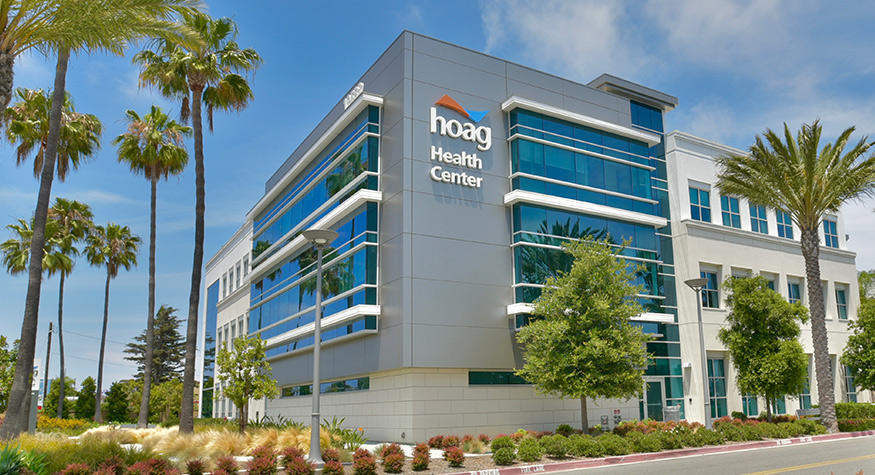
19582 Beach Boulevard, Suite 150 & 160
Huntington Beach, CA 92648
(949) 764-5573
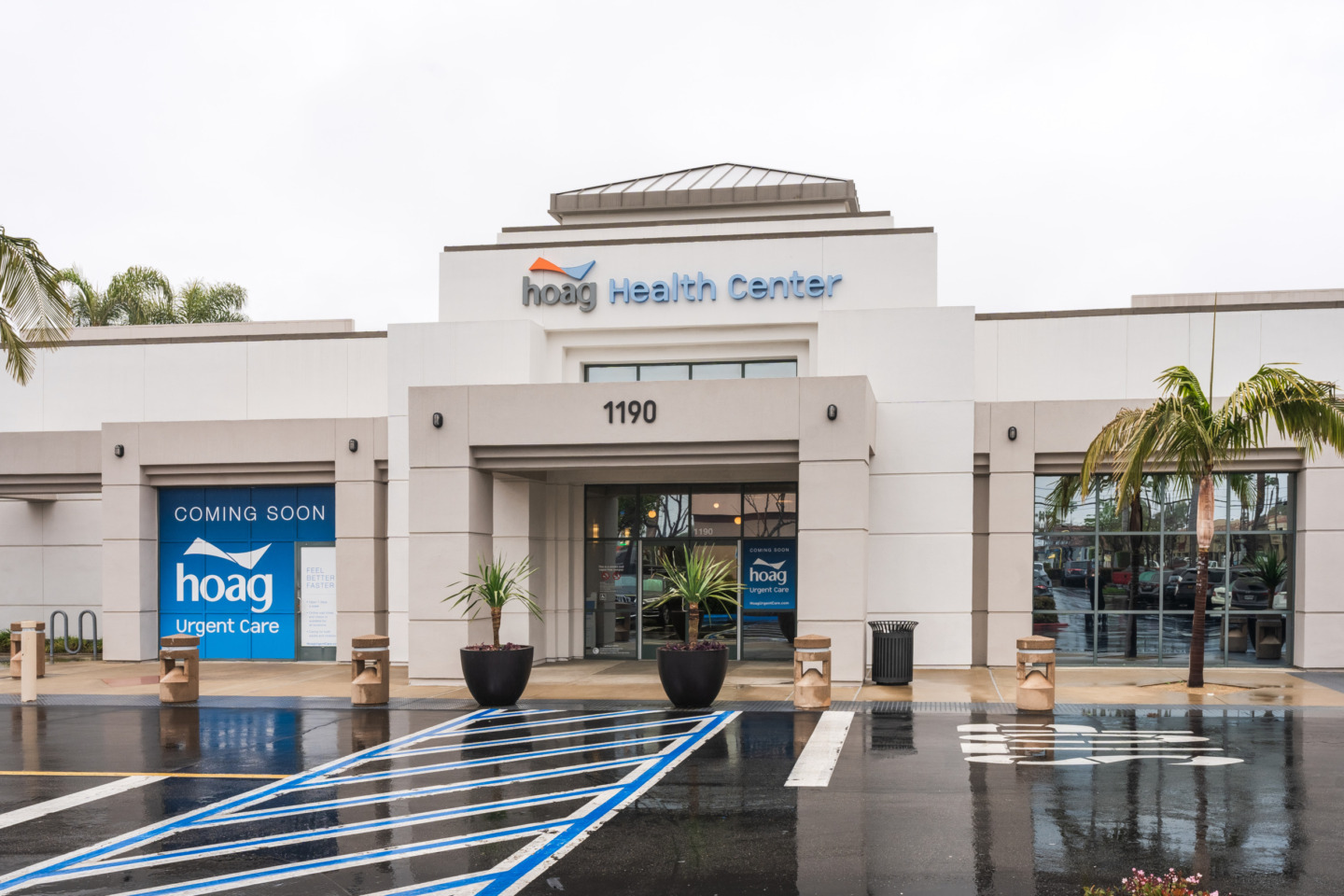
1190 Baker Street, Suite 102
Costa Mesa, CA 92626
(949) 764-5573
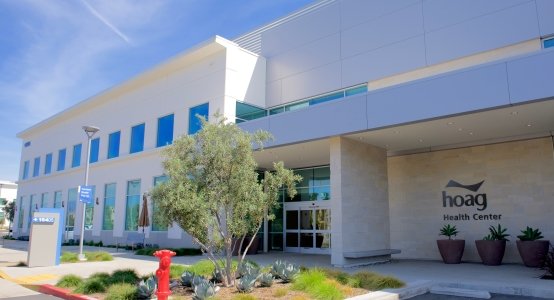
16305 Sand Canyon Avenue, Suite 160
Irvine, CA 92618
(949) 557-0180

1 Hoag Drive
Newport Beach, CA 92663
(949) 764-5780

Diagnostic mammography, breast ultrasound, breast MRI, breast biopsy, and screening

26672 Portola Parkway, Suite 106
Foothill Ranch, Lake Forest, CA, 92610
(949) 764-5573

15000 Kensington Park Drive, Suite 150
Tustin, CA 92782
(714) 477-8340
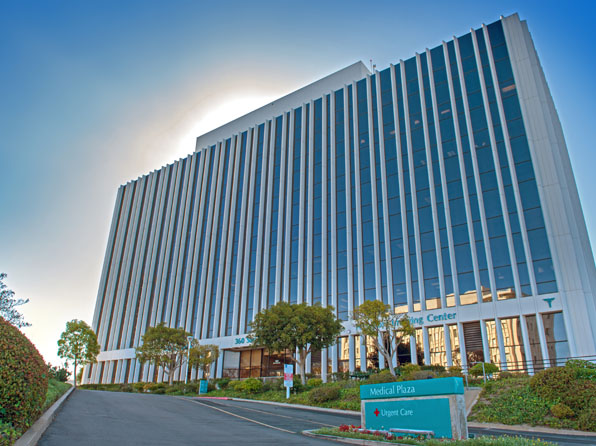
360 San Miguel Drive, Suite 106
Newport Beach, CA 92660
949-721-8191
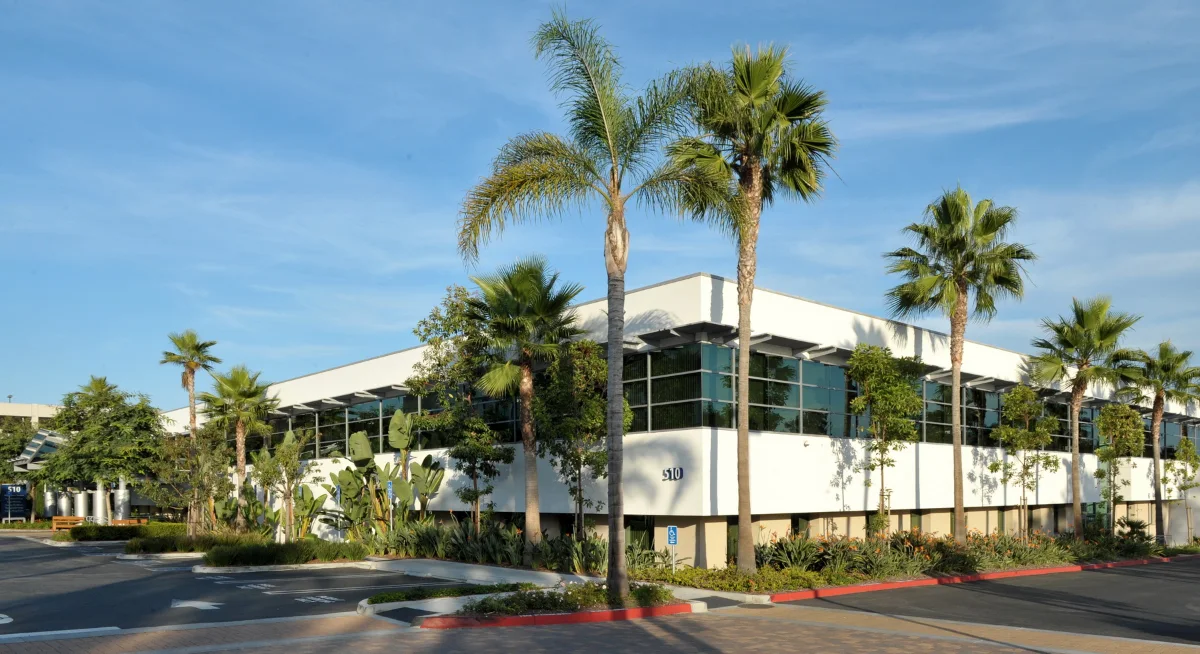
510 Superior Avenue, Suite 100
Newport Beach, CA 92663
(949) 764-5573
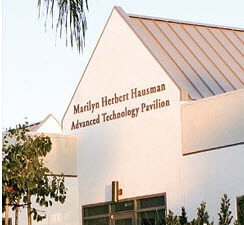
1 Hoag Drive, Building #47
Newport Beach, CA 92663
(949) 764-5573
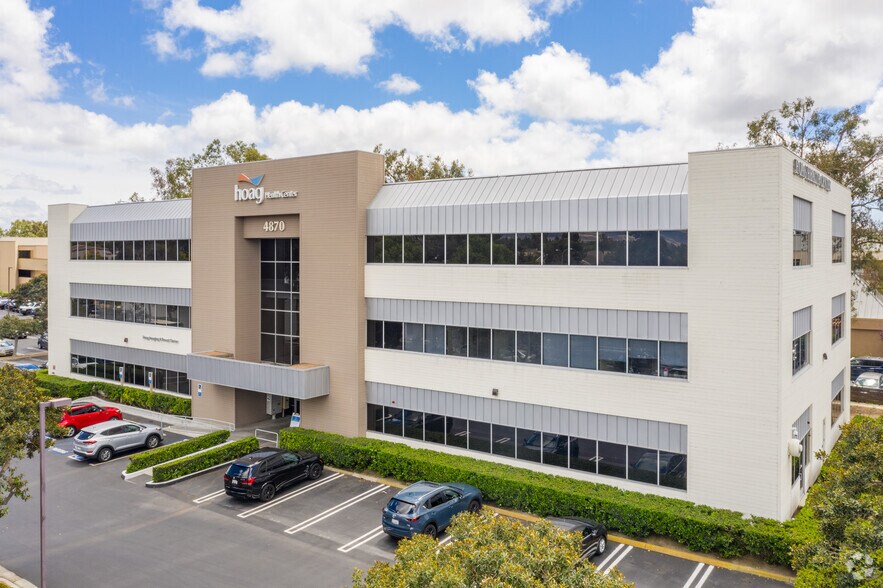
4870 Barranca Parkway, Suite 100
Irvine, CA 92604
(949) 764-5573

6352 Irvine Boulevard
Irvine, CA 92620
(949) 764-5573
By submitting this request, you agree to receive communications from Hoag and accept our Privacy Policy and Terms of Use.