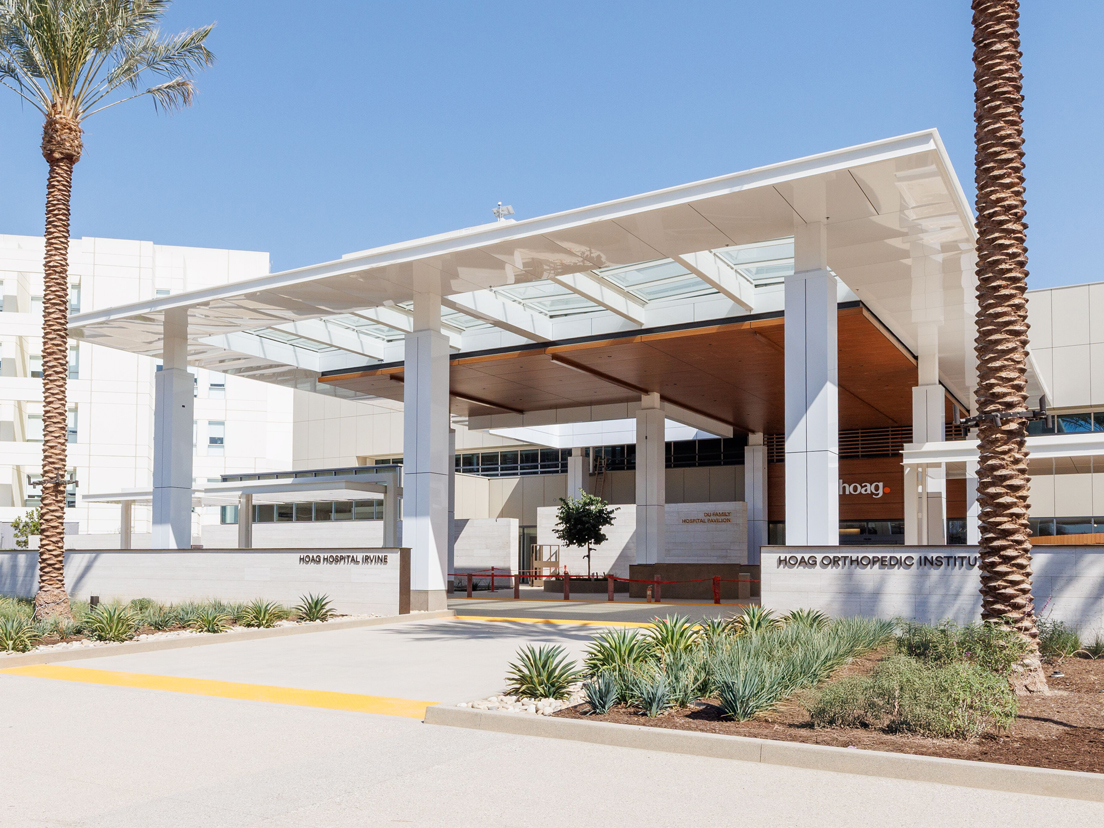
Hoag Hospital Newport Beach
1 Hoag Drive
Newport Beach, CA 92663
949-764-4624
1 Hoag Dr, Newport Beach, CA 92663
(949) 764-4624
This is the description for the program page tab midstream cta.This should appear under a tab.
The Hoag Health Network consists of hospitals, urgent care, and health care centers in Orange County. Known for superior patient care, they are dedicated to the latest advancements in health care.


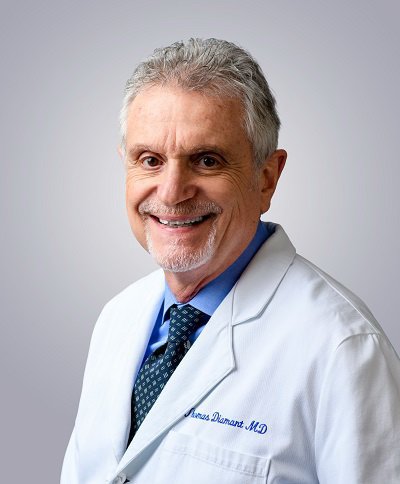
<p>Raised in Montreal, Dr. Diamant studied at McGill University in the Accelerated Pre-Medical Program, during which time he was recognized each year by the Faculty of Medicine as a McGill University Scholar.</p> <p>He began his Internship training in Straight Medicine at Toronto General Hospital and continued his training as a Resident in Internal Medicine at St. Mary Medical Center, Long Beach. In 1984, Dr. Diamant completed his Fellowship in Respiratory Physiology and Medicine at Harbor-UCLA Medical Center in Torrance. He received Board Certification in Internal Medicine in 1984, in Pulmonary Medicine in 1988, and in Critical Care Medicine in 1991.</p> <p>Apart from his clinical research, Dr. Diamant served as Medical Director in the Pulmonary Rehabilitation Program and as Medical Director in the Sleep Abnormalities Laboratory at St. Mary Medical Center, Long Beach. He has served as Chairman of the Division of Pulmonary Medicine at Hoag Hospital as well as Chairman of the Department of Internal Medicine. Dr. Diamant holds an appointment as the Medical Director of the Hoag Hospital Department of Respiratory Care and is a Fellow of the College of Chest Physicians.</p> <p>Dr. Diamant enjoys cycling in his spare moments and spending time with his family.</p>

Dr. El-Bershawi is the Service Chief of Hoag Sleep Center Irvine and a board certified sleep specialist who is dedicated to the delivery of quality patient-centered care with a comprehensive, individualized and cutting edge approach. He is committed to providing high-quality care to patients affected by pulmonary disease, sleep-related disorders or life-threatening critical illness.<br><br>Dr. El-Bershawi completed a residency in Internal Medicine at the Medical College of Wisconsin, followed by a fellowship in Pulmonary and Critical Care Medicine at Kansas University Medical Center. Dr. El-Bershawi also completed a fellowship in Sleep Medicine at the University of New Mexico Sleep Center.<br><br>Dr. El-Bershawi is a diplomate of the American Board of Sleep Medicine, and the American Board of Pulmonary & Critical Care Medicine.

Interventional Pulmonology

1 Hoag Drive
Newport Beach, CA 92663
949-764-4624

Get care from medical providers that fit your needs in a location near you.
Find a providerDidn’t see what you’re looking for? Reach out and we’ll make sure you get what you need.
Contact usHoag has been Orange County’s leader in the advanced diagnosis and treatment of respiratory-related disorders for decades. With the introduction of our new Interventional Pulmonology program, we take that commitment to excellence to the next level. At Hoag, our team includes the area’s only practicing Interventional Pulmonologist, and the next-generation treatment and interventional options that can make a real difference in outcomes, recoveries and patients’ lives.
One important way Interventional Pulmonology at Hoag is different is that our IP team is fully integrated with the Hoag Family Cancer Institute. While not every respiratory condition is cancerous, that integration gives our Interventional Pulmonology program instant access and communication with the area’s most experienced and highly trained thoracic surgeons, radiation oncologists and other specialists. Collectively, they’ve spent decades studying and treating conditions of the lungs and airways, including contributing to many of the treatments and minimally-invasive techniques used around the world. The result: a team that’s always looking for the best and most appropriate path forward for every patient, from diagnosis to recovery.
Pulmonology is a field of medicine that specializes in the diagnosis and treatment of disorders related to breathing and the respiratory system, including the lungs, airways, breathing-related blood vessels and thoracic cavity, which is the area inside your upper chest that contains the lungs, heart and other organs. In the past, treating these conditions often required invasive surgery that could extend recovery time to weeks or months.Interventional Pulmonology is a different approach to treating and managing conditions of the respiratory system. While still a relatively new field, Interventional Pulmonology is dedicated to less-invasive methods of diagnosing, treating and managing lung and airway disorders and the symptoms of these conditions.Rather than major surgery, Interventional Pulmonology utilizes next-generation imaging and techniques like advanced, guided bronchoscopy to improve outcomes and shorten hospital stays and recovery times. These efforts are overseen by a team of oncologists, thoracic surgeons and other specialists who are highly trained in this less-invasive approach.At Hoag, advanced techniques utilized by our Interventional Pulmonology program include advanced endoscopic surgery, which is performed by passing small instruments and cameras into the thoracic cavity through small incisions, and robotic-assisted bronchoscopy with three-dimensional guidance, in which a camera is passed down the throat and into the respiratory system so the lungs and airways can be directly viewed by physicians.
Many chronic conditions of the lungs and airways can be successfully treated and managed by Interventional Pulmonology. Conditions that can potentially be diagnosed or treated through Hoag’s Interventional Pulmonology program include:
Cancer that originates in the lungs (primary lung cancer) or which has spreads to the lungs (metastatic lung cancer)
Tracheal cancer
Emphysema
Chronic Obstructive Pulmonary Disorder (COPD)
Pleural disorders, which affect the tissue that lines the inside of the thoracic cavity and the exterior of the lungs
Malignant and non-malignant airway obstructions
Severe asthma
Pneumothoraces, K.A. “collapsed lung”
Bronchopleural fistulas, which are abnormal connections that can form between passages in the lungs
Chronic cough or chest pain
Tracheal and bronchial stenosis, which is an abnormal narrowing of the trachea and/or bronchial tubes that transmit air into and out of the lungs
Recurring shortness of breath
Dynamic compression of the airways, which can cause a person’s airways to narrow or collapse
Inflammation or bleeding in the airways and lungs
Mediastinal adenopathy (AKA lymphadenopathy), which is caused by enlarged lymph nodes in the chest
Pulmonary nodules, which are abnormal growths that form in the lungs
Suspect masses requiring biopsy in the lungs or thoracic lymph nodes
Interventional Pulmonology is about responsibly pushing the boundaries of medicine and techniques to help patients in ways that would have been simply impossible even a few years ago. Among the next-generation approaches employed by Interventional Pulmonology at Hoag:
Cios Spin: Hoag is the first hospital in Orange County to offer Cios Spin®, a technology that diagnoses lung cancer earlier, more accurately and less invasively – so you can get back to your life that much sooner. Learn more about Cios Spin here.
The Ion by Intuitive Robotic-Assisted Bronchoscopy Platform: Hoag is proud to be one of the few Interventional Pulmonology programs in the U.S. to offer Ion Robotic-Assisted Bronchoscopy. It’s a robot-enabled technique that allows for safe, minimally invasive collection of tissue samples for biopsy by passing instruments down the windpipe, even when lesions are deep in the lungs. Ion’s thin and maneuverable catheter allows clinicians to reach small lesions in all 18 segments of the lung, without invasive surgery or needle biopsies that puncture the skin. Learn more about robotic-assisted procedures at Hoag.
Cone-Beam Computed Tomography (CBCT) with 3D Fluoroscopy: (Coming Soon) Hoag is one of the few centers in the nation to offer Cone-Beam Computed Tomography (CBCT) with 3D Fluoroscopy for lung conditions. It’s an advanced imaging technique that creates three-dimensional (3D) images of tissues inside the body. This enhanced imaging allows for easier treatment and ablation of tumors of the lung. In addition to utilizing radiation exposures that are up to 10 times less than conventional CT scans, CBCT is also much faster than conventional CT.
Convex-Probe Endobronchial Ultrasound Bronchoscopy (CP-EBUS), which is a revolutionary form of bronchoscopy that incorporates a convex ultrasound transducer into the tip of the bronchoscope, which is a small, flexible camera passed down the throat and into the airways. Incorporating ultrasound gives specialists real-time guidance when obtaining tissue samples from deep in the lungs, allowing sampling to be more precise. Though CP-EBUS allows advanced diagnosis of different types of pulmonary disorders, including infections and inflammation, it is particularly useful in the diagnosis and staging of lung cancer.
Radial-Probe Endobronchial Ultrasound Bronchoscopy (RP-EBUS), which is another advanced, highly accurate form of guided bronchoscopy. Unlike CP-EBUS, RP-EBUS involves a rotating ultrasound source that’s passed through the bronchoscope. This allows pulmonary nodules and other issues to be detected with much greater accuracy, without the need for radiation-based imaging.
Cryoablation, which is a technique that utilizes localized, extreme cold to treat certain cancers, including lung cancer that may have been deemed inoperable. During the procedure, a thin instrument known as a cryoprobe is inserted through a bronchoscope until it comes in direct contact with the cancerous or benign tumor or lesion. Gas is then used to reduce the tip of the cryoprobe to below freezing, destroying cancerous cells through repeated freezing and thawing cycles.
Zephyr Endobronchial Valve Treatment: One of the most advanced treatment options for those with chronic shortness of breath, the Zephyr® Valve system is the first FDA-approved device in the U.S. for treating patients with severe emphysema. The treatment involves using minimally-invasive techniques to place tiny valves in a patient’s airways. These valves allow healthy parts of the lung to expand, which can greatly enhance patient comfort and breathing function. Learn more about Zephyr Endobronchial Valve Treatment here.
The Zephyr Valve Treatment is a minimally invasive treatment for people with severe COPD/emphysema. The Zephyr Valves are an implant designed to fit in the airways of the lungs. The valves are placed in selected airways during a bronchoscopy procedure (no incisions or cutting required) and are an alternative to the more invasive traditional lung volume reduction surgery.
Generally, candidates who should be evaluated for Zephyr Valve Treatment are patients who:
Have a confirmed diagnosis of COPD or emphysema.
Have to stop to catch their breath often, even with taking their medication as directed.
Have reduced lung function (FEV1≤50% predicted).
These are general criteria but only a Zephyr Valve trained physician can determine if you are a candidate.
In clinical studies, patients treated with Zephyr Valves have been shown to1:
Breathe easier
Be more active
Enjoy an improved quality of life
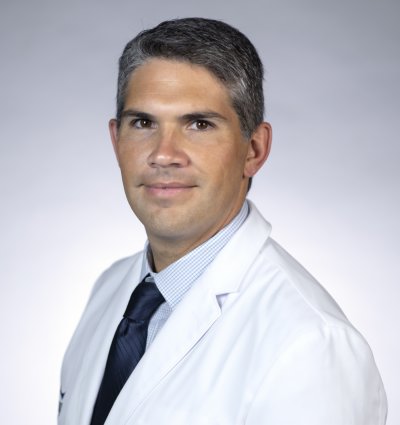
Javier Longoria, M.D., Orange County’s only triple board-certified interventional pulmonologist, works alongside a team of experts who specialize in oncology and thoracic surgery to provide highly skilled interventional pulmonary care.
If you have severe COPD/emphysema, you may struggle to catch your breath while doing everyday tasks. This is because the damaged parts of your lungs have lost their ability to release trapped air and have become overinflated. Zephyr Valves are tiny, one-way valves that allow the trapped air to be exhaled from the lungs and prevent more air from becoming trapped there. This helps patients breathe better and do more.1
Zephyr Valves are placed during a procedure that does not require any cutting or incisions. A typical Zephyr Valve procedure includes:
Step 1 – The doctor will give you medicine to make you sleepy.
Step 2 – A small tube with a camera, called a bronchoscope, will be inserted into your lungs through your nose or mouth.
Step 3 – During the procedure, your doctor will place about four Zephyr Valves in the airways. The number of valves placed will depend on the individual anatomy of your airways and your Physician’s discretion.
Step 4 – You will stay in the hospital for a minimum of three nights. Some patients who experience complications may be required to stay longer.
Step 5 – After the procedure, you will continue to use the medicines your doctor has prescribed for your condition.
1 Criner G et al. Am J Respir Crit Care Med. 2018; 198 (9): 1151–1164.
Important Safety Information: The Pulmonx Zephyr® Endobronchial Valves are implantable bronchial valves indicated for the bronchoscopic treatment of adult patients with hyperinflation associated with severe emphysema in regions of the lung that have little to no collateral ventilation. Complications can include but are not limited to pneumothorax (tear in the lung), worsening of COPD symptoms, hemoptysis, pneumonia, and, in rare cases, death. The Zephyr Valve is contraindicated in patients who have not quit smoking. Please talk with your physician about other contraindications, warnings, precautions, and adverse events. Only a trained physician can decide whether a particular patient is an appropriate candidate for treatment with the Zephyr Valve.
Does the patient’s oxygen saturation decrease with exercise? If so, how much oxygen therapy is required to prevent significant desaturation?
This test is designed for pulmonary or cardiac disease patients with exertional dyspnea to determine if they need oxygen therapy during exercise. Measurements include a single-lead electrocardiogram (12-lead ECG available on request), blood pressure, arterial oxygen saturation by oximetry, as well as the monitoring of clinical signs and symptoms during exercise on a treadmill or stationary bicycle. If significant oxygen desaturation occurs, the patient is re-tested with supplemental oxygen therapy to establish the proper liter flow.
What is the patient’s ability and safety to perform exercise?
This exercise test measures the patient’s cardiopulmonary responses to a progressive increase in workload up to the maximum level tolerated by the patient. It is useful in assessing the patient’s exercise capability and/or fitness level. Measurements include those of the Level 1 exercise test plus ventilation, oxygen uptake, carbon dioxide production, respiratory exchange ratio, oxygen pulse, and anaerobic threshold. An Exercise Prescription for exercise reconditioning can also be generated from this test.
Why does the patient become dyspneic with exercise?
This exercise test evaluates patients who have dyspnea on exertion, but whose tests of cardiopulmonary function at rest are non-diagnostic. The differential diagnosis includes pulmonary vascular occlusive diseases, interstitial lung diseases, metabolic disorders, or subclinical pulmonary or cardiac diseases not identified at rest. This test can also help separate cardiac and pulmonary causes of dyspnea in patients who have disorders of both organ systems. Measurements include those of the previous tests plus arterial blood gas analysis during rest and exercise.
Exercise-Induced Bronchospasm Test
Does the patient who develops cough, chest tightness or wheezing during, or after exercise have subclinical asthma (hyperreactive airways)?
Screening spirometry (FEV1) is performed before and after moderate exercise to evaluate for exercise-induced airway obstruction. The patient is asked to exercise on a treadmill near his predicted maximum heart rate for up to six minutes. A single-lease electrocardiogram is monitored. If bronchospasm occurs, an aerosol bronchodilator can be administered to evaluate its effectiveness.
Bronchial Challenge Test
This test is designed to evaluate patients with unexplained cough or episodes of chest tightness who are suspected of having occult or subclinical asthma, but whose spirometry is non-diagnostic. The patient’s airflow (FEV1) is measured before and after inhalation of increasing concentrations of methacholine used to stimulate the airways in order to identify any airway hyperreactivity.
Lung Function Testing
Includes a wide variety of measurements to evaluate the status of a patient’s lung health and/or investigate the cause of respiratory symptoms. This generally includes measuring lung volumes and flow rates at rest, as well as assessing gas exchange and acid-base status with arterial blood gas analysis. Some patients also require physiologic testing during exercise or other special circumstances to further understand their symptoms and lung function. The tests are provided to answer these diagnostic questions.
Please call if you have questions about any of the tests or wish to schedule an appointment.
Appointments for outpatients can be made by calling 949/764-5500. Order forms are available for your office use upon request. Inpatient tests can be scheduled through the Unit Secretary.
Pulmonary Screen (Spirometry)
This test is designed to assess the airways for obstruction, e.g., patients with asthma, COPD, or other airways diseases. It includes the Forced Vital Capacity (FVC), Timed Expiratory Lung Volume (FEVl), Peak Flow, and measurements of small airways function (FEF25075%). A flow-volume curve is also routinely transcribed and interpreted to evaluate for possible large airway obstruction.
Pre/Post Bronchodilator Screen
A Pulmonary Screen is performed before and after administering an aerosol bronchodilator to assess airway responsiveness to that medication.
Full Pulmonary Function Test
This test provides an overall assessment of the patient’s resting lung function. A Pre/Post Bronchodilator Screen is performed along with measurements of Total Lung Capacity And Diffusing Capacity (DLCO). In addition to evaluating airway function, this test identifies any loss of lung volume that might occur in restrictive lung diseases. The DLCO measures any functional abnormality of the pulmonary capillary bed, e.g., emphysema, pulmonary vascular occlusive diseases, interstitial lung diseases. Total Lung Capacity and Diffusing Capacity can each be ordered separately.
Blood Sampling
Diagnostic Blood Sampling is used to evaluate the body’s ability to pickup oxygen. The method of obtaining the Blood Sample will be based upon individual patient needs.
Oximetry
This is a non-invasive way to quickly estimate oxygen saturation. The color of blood is measured as it passes under a light probe placed on the patient’s fingertip. The measurements are similar to those obtained from blood samples and are particularly useful for continuous bedside monitoring, such as during changes in O2 therapy or other procedures which may affect the patient’s oxygenation, e.g., mechanical ventilation, chest physiotherapy, endoscopy.
Physiologic Shunt Study
This test measures the physiologic right-to-left shunt (venous admixture) in patients with unexplained hypoxemia, e.g., patent foramen ovale, congenital right-to-left shunt. Arterial blood gases are obtained while the patient breathes room air and again during exposure to 100% oxygen.

Why are Pulmonary tests done?
Pulmonary testing not only detects the presence of lung and breathing problems, it also identifies the specific type of problem and evaluates its severity. These tests can also help your physician determine the proper course of therapy.
How long do these tests take?
Depending on which tests are conducted, pulmonary testing can take from 20 minutes to two hours.
What tests are most commonly performed, and what do they involve? (Note: A complete pulmonary function test includes all of the above tests, and usually takes anywhere from one to two hours.)
Simple Spirometry: In this test you are asked to breathe normally, and then to take in a deep breath. When you have inhaled all the air your lungs can hold, you are then asked to blow it into a machine as fast as possible. As you exhale, we record the size of your breath and how fast you expelled it.
You may also be asked to perform a Maximal Voluntary Ventilation (MVV): This test requires you to breathe as deeply and rapidly as you can for about 12 seconds in order to measure your maximal breathing capacity. These two tests are commonly performed as a screening procedure to evaluate your lungs. If you are having such a pulmonary screen done, you can expect to spend about 20 minutes taking the two tests.
Sometimes your physician wants more detailed pulmonary function testing performed. In this case, you will be asked to participate in one or more of the following additional tests:
Bronchodilator Study: After completing the Simple Spirometry and the MVV, you are given an aerosol medication to breathe. The medication is a bronchodilator that relaxes your airways. After waiting 15 minutes for the medication to have maximal effect, the above two tests are repeated. This bronchodilator study allows us to evaluate the effect of the medication on your airways.
Lung Volumes: In this test, you are asked to breathe oxygen through a mouthpiece for about eight minutes. We measure the total amount of air in your lungs by watching how the oxygen exchanges with the air already in your lungs.
Diffusing Capacity: In this test, you are asked to breathe normally, then to take in as deep a breath as you possible can, hold it in for 10 seconds, then exhale rapidly until you get all the air out. Some of the special air mixture you inhale travels from your air sacs (alveoli) into your bloodstream during the 10-second interval. Measuring the amount that gets into your bloodstream allows your physician to assess how your lungs can absorb oxygen.
Arterial Blood Gases: Oxygen and carbon dioxide gases are carried by blood. Some lung problems can cause either insufficient oxygen to be delivered to the blood or excess carbon dioxide to be retained. This can be determined by testing a small sample of blood, taken from a wrist artery using a small needle.
Are there things I can do to get ready for the test?
If you are an inpatient here at Hoag Hospital, the hospital staff will be sure you are ready for the tests. If you are coming in for testing as an outpatient, there are a few things you can do to achieve your best results:
Avoid eating a heavy meal prior to your test.
Wear loose-fitting clothing that will allow you to breathe deeply and comfortable.
No smoking, alcohol or caffeine for 12 hours prior to your test.
What about medications?
Some inhaled medications and pills may need to be discontinued prior to your testing. Please call the Respiratory Care Department to confirm which medications you should stop taking. Also, remember to check with your doctor.
Is there anything else I should know?
These tests have great value in evaluating the health of your lungs and airways. It is important that you give your best effort so that your test results will be as revealing as possible. Always feel free to ask questions. The respiratory therapist and your physician will be happy to explain these tests in more detail.
High Altitude Simulation Test
This test is designed to examine the patient’s physiologic response to low concentrations of oxygen. This simulates travel to a high altitude environment, including commercial air travel during which cabin pressures drop to levels as high as 8000 feet. The test is especially useful for patients with a moderate decrease in oxygen at sea level who may have further decreases of oxygen at higher altitudes. Patients inhale decreased concentrations of oxygen selected to simulate the desired altitude. When stable, the patient is walked briefly on a slow-moving treadmill to assess his response to mild exercise at that “altitude.” Measurements include single-lead electrocardiogram, oxygen saturation by oximetry, and ventilation, as well as the monitoring of clinical signs and symptoms. Supplemental oxygen therapy is provided as needed to estimate what liter flow may be required.
Patients often have concerns when they are scheduled to take pulmonary exercise tests. This brochure has been designed to answer the most frequently asked questions.
What is a pulmonary exercise test?
A pulmonary exercise test measures many of your body’s functions, including the rate and rhythm of your heartbeat; blood pressure; breathing patterns; exhaled air; blood oxygen and carbon dioxide; and your general physical condition. It involves exercising on either a stationary bike or a treadmill, with the amount of exercise you are asked to do being gradually increased. We may also ask you to repeat the test while we give you extra oxygen.
Why are pulmonary exercise tests done?
Pulmonary exercise tests are ordered by your physician if you easily become short of breath. These tests can answer many questions about your general physical condition, such as:
Why do I become short of breath?
How does my body respond to exercise?
How much exercise can I perform?
Should I use additional oxygen as I exercise?
How long will the test take?
The exercise testing session can take from one to three hours, depending on which tests your doctor has ordered for you. The actual exercise time, though, is usually limited to 10-15 minutes, sometimes less.
How hard will I have to exercise?
You should perform these tests to the very best of your ability. This makes the results more useful, providing the most accurate and reliable data to analyze.
What are the risks?Though the risk is slight, some people do experience unusual responses to exercise. These responses can include abnormal changes in blood pressure and heart beats; difficulty in breathing; fainting or dizziness; and muscle cramping. As a precaution, you are closely monitored by a respiratory therapist and a physician.
What about medications?
Unless you are told otherwise, continue to take all prescribed medications as usual. IMPORTANT: Do not confuse this instruction with that of the “pulmonary function testing.” The pulmonary function test usually requires you to discontinue any breathing medications you are taking. If you have questions or are unsure, please ask!
Should I eat or exercise before my test?
Avoid all heavy, rich and hard-to-digest foods for at least six hours prior to your appointment. If you do eat, eat only light foods. No food at all one hour prior to your appointment. Alcohol, food or drinks containing caffeine (coffee, tea, cola, chocolate) and smoking of any kind should be avoided for 12 hours prior to your test. You should not engage in vigorous exercise two hours before your appointment.
What should I wear?
You will be much more comfortable wearing casual attire (shoes and slacks). Shoes should be rubber-soled, flat-bottomed and completely cover the toes and top of the foot. Jogging or tennis shoes are the best. Do not wear high heels, sandals or open-toed shoes. Slacks or shorts should fit loosely, and you may be given a hospital gown to wear as a shirt.
What else should I bring?
To save you time, it is helpful if you bring the following:
Your completed “Pre-Exercise Test Questionnaire.” If you don’t have one, please call the Pulmonary Lab at 949-764-5500, and it will be sent to your home.
Results of any previous pulmonary function and/or pulmonary exercise tests you may have taken. If these tests were performed at Hoag, let us know and we will obtain copies of the results. If you had these tests performed somewhere else, let us know where (and when) so we can get this information.
Any medications you are currently taking, especially any breathing inhalers, nitroglycerin tablets or other post-exercise medications you may need.
A list of questions, if you have any.
The physician order or prescription if not already faxed.
What if I am unable to keep my appointment?
Please make every attempt to keep your appointment since it requires a great deal of technical preparation. However, if you are sick, experiencing severe breathing difficulties or are injured, you can cancel your appointment by calling the Respiratory Care Department at 949-764-5500.
Where should I go?
If you are an outpatient, proceed to outpatient registration. From there, a staff member will be happy to direct you to the Pulmonary Function Testing Lab within Hoag Hospital Newport Beach or Hoag Hospital Irvine.
Checklist of what to do before the exercise test
Continue all medications as usual.
No alcohol, smoking or caffeine for at least 12 hours.
No food for at least one hour and no heavy foods for at least six hours.
No vigorous exercise for at least two hours. Complete your “Pre-Exercise Test Questionnaire.”
Checklist of what to bring and wear
Completed “Pre-Exercise Test Questionnaire.”
Results of any previous pulmonary function and/or pulmonary exercise tests.
A list of any personal questions.
Any medications you might need following the exercise test.
Closed toe, rubber-soled, comfortable shoes.
Comfortable slacks or shorts.
A positive attitude.
Physician order.

1 Hoag Drive
Newport Beach, CA 92663
949-764-4624

By submitting this request, you agree to receive communications from Hoag and accept our Privacy Policy and Terms of Use.