Concerned About GERD?
- Overview
- Symptoms & Causes
- Diagnosis & Treatment
- Resources
Experiencing symptoms of GERD? Our self-assessment tool and expert-backed resources can help you better understand your digestive health, evaluate your risk, and take the first step toward effective treatment.
What’s Next? Take our GERD Assessment
Our comprehensive, personalized assessment can help you evaluate the severity of your symptoms with clinical insights based on your lifestyle, symptoms and background.
Relentlessly Pursuing the Best Health Outcomes for All
Read more about our commitment to innovation, a bold vision for the future, world-class specialists leading the way, and the most compassionate care for our patients and their families.
New What’s Next? Take our GERD Assessment
Our comprehensive, personalized assessment can help you evaluate the severity of your symptoms with clinical insights based on your lifestyle, symptoms and background.

What is GERD?
Gastroesophageal Reflux Disease (GERD) is a digestive disorder in which stomach acid frequently flows back into your esophagus, the long, muscular tube that connects the mouth and stomach. Over time, this acid can irritate the lining of your esophagus, causing pain, discomfort and other symptoms. Usually, GERD is caused by a weakened lower esophageal sphincter (LES), which is the ring of muscle at the bottom of the esophagus that normally relaxes when you swallow, allowing food to enter the stomach. In those with GERD, this ring of muscle is weakened or doesn’t relax as it should, allowing stomach acid or partially-digested food to flow back into the esophagus.
GERD is considered a long-term, frequently-recurring type of gastroesophageal reflux (GER). GER is commonly known as acid indigestion, acid reflux or “heartburn.” Most people experience GER every once in a while, but if you regurgitate stomach acid frequently, you may have GERD.
If left untreated long-term, GERD can sometimes cause serious and even life-threatening complications in rare cases. GERD has been connected to a slightly higher risk of esophageal cancer, especially in those who experience symptoms frequently. GERD can also cause a related condition called Barrett’s esophagus, which can increase your risk of developing esophageal cancer even more.
FAQs
You should consult a healthcare provider if:
You experience heartburn or acid reflux more than twice a week.
Symptoms persist despite using over-the-counter medications.
You have difficulty swallowing, persistent nausea or vomiting, or unexplained weight loss.
You experience chest pain, especially if it radiates to your arm or is accompanied by shortness of breath—this could be a sign of a more serious condition.
Several factors can increase the risk of developing GERD, including:
Being overweight or obese.
Pregnancy.
Smoking or exposure to secondhand smoke.
Eating large meals or lying down soon after eating.
Consuming trigger foods like fatty or fried items, chocolate, caffeine, alcohol, or spicy foods.
Having a hiatal hernia or delayed stomach emptying.
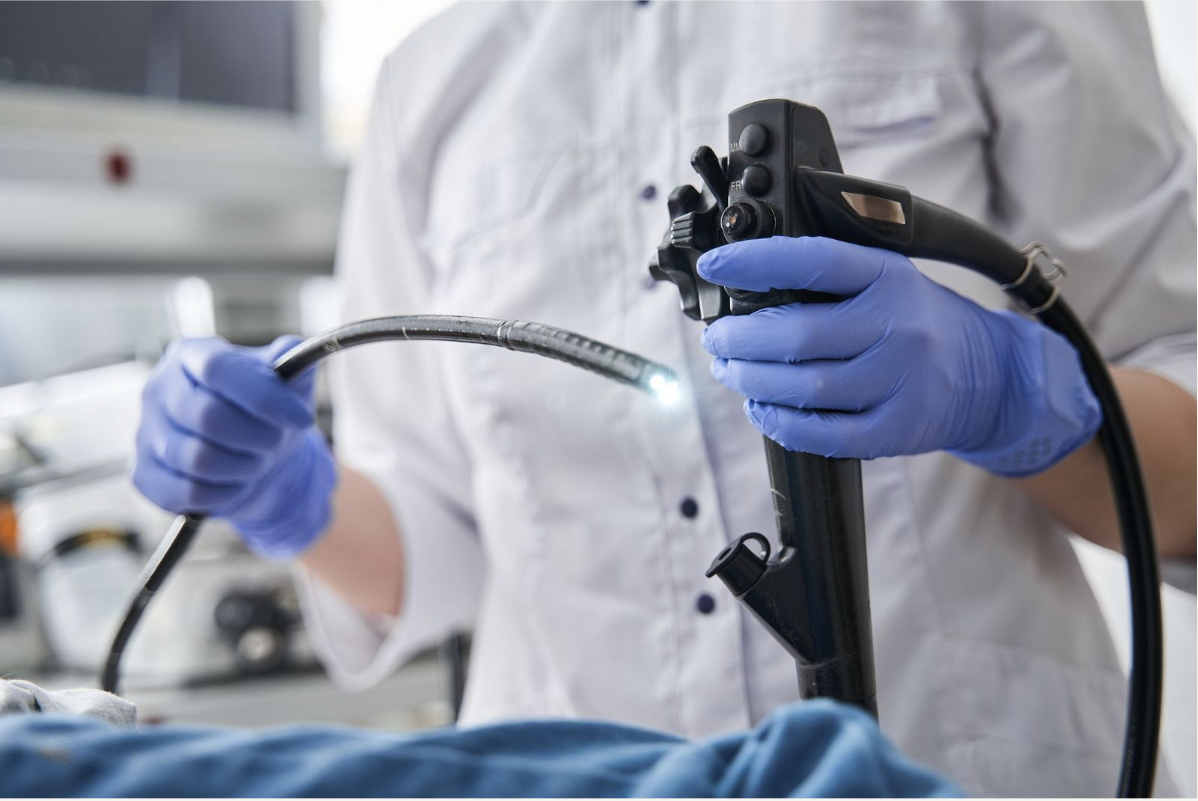
Diagnosis typically begins with a review of your symptoms and medical history. If further evaluation is needed, your doctor may recommend:
Upper endoscopy to examine the esophagus and stomach.
Ambulatory acid (pH) monitoring to measure acid levels in the esophagus.
Esophageal manometry to assess muscle function in the esophagus.
X-rays of the upper digestive tract after swallowing a contrast material.
Lifestyle changes are often the first step in managing GERD:
Eat smaller, more frequent meals.
Avoid lying down for at least 2–3 hours after eating.
Elevate the head of your bed.
Avoid trigger foods and beverages.
Maintain a healthy weight.
Quit smoking and limit alcohol intake.
Treatment options include:
Lifestyle modifications (as mentioned above).
Over-the-counter medications like antacids, H2 blockers, or proton pump inhibitors (PPIs).
Prescription medications for more severe or persistent symptoms.
Surgical options, such as fundoplication, may be considered if other treatments fail.
Yes, many people find relief using:
Antacids (e.g., Tums, Maalox) for quick, short-term relief.
H2 blockers (e.g., ranitidine, famotidine) to reduce acid production.
Proton pump inhibitors (PPIs) (e.g., omeprazole, lansoprazole) for longer-lasting acid suppression.
Start getting the digestive care you need
Symptoms
The symptoms of GERD are different for every patient. However, the most common symptom is frequently-recurring acid reflux (AKA “heartburn”), which is a painful, burning sensation in the center of your chest, usually after eating. This sensation, which is caused by stomach acid and partially-digested stomach contents being regurgitated into the esophagus, may become worse after you lie down.
Though rare, GERD has been linked to a slightly-increased risk of esophageal cancer. If left untreated long-term, GERD can sometimes also lead to the development of a condition called Barrett’s Esophagus, in which the lining of the esophagus becomes thickened and red due to repeated exposure to stomach acid. Having Barrett’s esophagus boosts the risk of developing esophageal cancer even more.
Other common symptoms of GERD may include:
Chest pain
Recurring nausea
Trouble swallowing, or pain when swallowing
Chronic or recurring cough
Having a hoarse speaking voice
Feeling like there’s a “lump in your throat”
New or more frequent asthma attacks

Causes and Risk Factors
It's important to note that not everyone with these risk factors will develop GERD. The exact cause of GERD may vary from person to person.
Being overweight or obese
Being pregnant
Having a hiatal hernia, which is a condition in which the upper part of the stomach can move up into the chest
Smoking
Taking certain medicines, including: Benzodiazepines, Tricyclic antidepressants, Certain asthma medicines, Nonsteroidal anti-inflammatory drugs (NSAIDs),Calcium channel blockers, which are used to treat high blood pressure
Other factors that may contribute to GERD include stress and autoimmune disorders.
Related conditions
Hiatal Hernia
Hiatal hernia is a condition in which the upper part of the stomach bulges through the diaphragm, which...
Barrett’s Esophogus
This condition can occur when the esophagus is exposed to stomach acid for an extended period...
Start getting the digestive care you need
How GERD is diagnosed
Diagnosing gastroesophageal reflux disease (GERD) usually begins with a detailed discussion of your symptoms and medical history, followed by a physical examination. In many cases, this is enough for your doctor to make a diagnosis and recommend a treatment plan. If your symptoms are more persistent or suggest there may be other factors involved, your doctor may recommend additional tests. These help ensure an accurate diagnosis and allow for a treatment approach that’s tailored to your individual needs and long-term well-being.
Common procedures
Treatment & Prevention
Lifestyle Changes
There’s no known way to definitely prevent yourself from developing GERD. However, there are certain steps you can take to reduce your risk of developing the condition. These may include:
Eat a balanced, healthy diet
Maintain a healthy weight
Don’t smoke
If you experience acid reflux at night, elevate your head 6-8 inches with extra pillows or a foam wedge, or by placing blocks or risers under the feet of your headboard
Sleep on your left side, which may make it less likely you’ll experience reflux
Get screened for hiatal hernia, which is a condition in which the upper part of the stomach can move up into the chest
Tell your doctor if you begin experiencing acid reflux or GERD symptoms while taking certain medicines (see above.)
Over the counter medications are often initially recommended to help treat GERD. These can also be used as a diagnostic tool to see if your symptoms respond to treatment, therefore understanding if GERD is your underlying cause of symptoms.
Medications
In very rare cases in which GERD doesn’t improve following medication or lifestyle changes, your doctor may recommend a surgical procedure. These may include:
Surgery (Rare)
We’re committed to finding and using the latest and most advanced treatment options for conditions involving the esophagus and stomach. At Hoag, options for the treatment of GERD include:
Advanced Treatment Options
How GERD is diagnosed
Diagnosing gastroesophageal reflux disease (GERD) usually begins with a detailed discussion of your symptoms and medical history, followed by a physical examination. In many cases, this is enough for your doctor to make a diagnosis and recommend a treatment plan. If your symptoms are more persistent or suggest there may be other factors involved, your doctor may recommend additional tests. These help ensure an accurate diagnosis and allow for a treatment approach that’s tailored to your individual needs and long-term well-being.
Start getting the digestive care you need
GERD 101
Looking to learn more about GERD and how it may be affecting your health? Explore our curated library of articles, research, and expert insights designed to help you better understand your symptoms and treatment options.




Article
GERD and Stress Management: Understanding the Power of Your Thoughts- October 25, 2025
- 5 min read

Find a provider near you and start getting the digestive care you need
Stay up-to-date on the latest news from Hoag
By submitting this request, you agree to receive communications from Hoag and accept our Privacy Policy and Terms of Use.