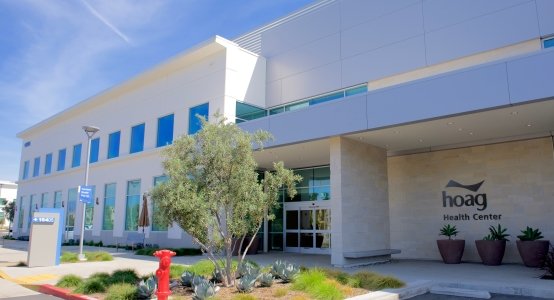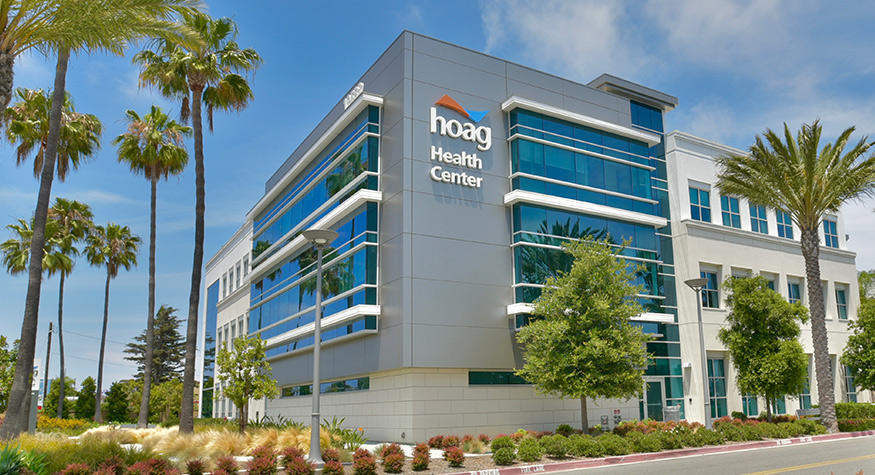



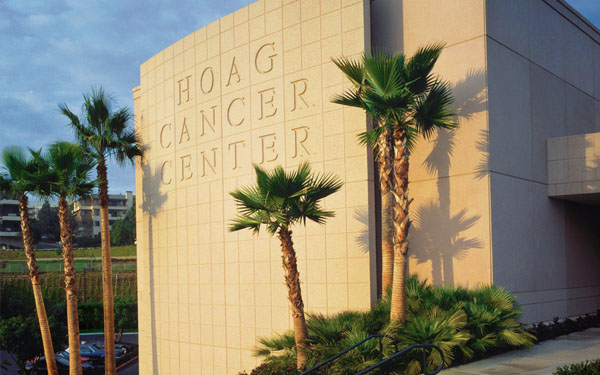
Hoag Memorial Hospital Presbyterian
1 Hoag Drive, Building #41
Newport Beach, CA 92663
949-722-6237
Chemotherapy/Systemic Therapy
Chemotherapy uses powerful drugs or chemicals to directly attack cancerous cells. Systemic Therapy is a non-surgical treatment option for cancer patients. Systemic therapy is when drugs are administered into a patient’s blood stream to stop or slow the growth of cancerous cells. Biological therapy, also referred to as “Immunotherapy” utilizes the body immune system to fight cancer cells.
Histotripsy
Histotripsy is a precise, non-invasive cancer treatment option and the only FDA-approved therapy of its kind for treating liver tumors. As one of only a few sites in the country to offer this revolutionary technology, Hoag is proud to provide patients access to the latest FDA-approved treatment options and therapies.
Precision Medicine Program
Hoag’s Precision Medicine Program combines genomics and genetics to diagnose, treat, and prevent diseases. Using the latest advances in genomic technologies, targeted therapies and research, our precision medicine program brings together a multidisciplinary team, including a robust genetic counseling group of experts, to provide patients with the latest in innovation and technology.
Radiation Oncology
Hoag’s Radiation Oncology Program offers the widest range of radiation therapy options available, ensuring every treatment plan is precisely tailored to each patient.
Tumor Boards
Tumor boards* are a meeting of Hoag’s top experts in their respective subspecialties to determine the best approach for a patient’s individual cancer case.
Palliative Care
Palliative care is a specialty that focuses on improving the quality of life of individuals facing serious illness through medical management and emotional support.
Hoag Family Cancer Institute gives you access to the most advanced diagnostics, therapies and treatment options for liver cancer, as well as groundbreaking clinical research – so you can trust that you will have the best care.
After talking to you about your symptoms, your physician will likely ask about your medical history and give you a thorough examination which may include drawing blood for testing.Accurate, advanced diagnosis of liver cancer is a priority at Hoag. Liver cancer requires accurate diagnosis and leading-edge treatments to create better outcomes and fuller recoveries for patients.Some of the advanced diagnostic techniques used to diagnose liver cancer at Hoag may include:
Alpha-fetoprotein (AFP) tumor marker test, which tests for a chemical in the blood that’s often elevated in people with liver cancer and conditions that could lead to cancer, like hepatitis and cirrhosis.
Volume-Rendering Computed Tomography, which creates highly accurate 3-D scans of internal organs, allowing physicians to properly stage the cancer and determine whether surgery is a good option. Only a few centers in Southern California have this advanced imaging technology.
Endoscopic Ultrasound (EUS) which uses an ultrasound device inserted through small incisions to make images of the liver from inside your abdomen. The physician may also collect a tissue sample for study during EUS.
Biopsy is a procedure performed to definitively diagnose liver cancer. A small sample of tissue is removed so it can be examined for the presence of cancer in a lab. Biopsy can be done in several ways, including fine-needle aspiration, core needle biopsy or laparoscopically, in which instruments are inserted through small incisions in the abdomen.
Diagnostic Laparoscopy, which is a minimally invasive surgical procedure used to examine internal organs. Small incisions are made in the abdominal wall, and a thin, lighted tube called a laparoscope is inserted. This procedure allows the surgeon to directly view the liver and gather helpful information about internal structures.
Magnetic resonance imaging (MRI) scans.
If your doctor determines you have liver cancer, the next step is to determine how much the cancer has spread, which is called “staging.”According to the American Cancer Society, the system most commonly used for primary liver cancer staging is the American Joint Committee on Cancer (AJCC) TNM system. TNM is an acronym, which stands for:
Tumor: an evaluation of how far the primary tumor has spread, including whether there’s only one tumor, how large the tumor is, and whether it has reached nearby structures like the veins in the liver
Nodes: which evaluates how much the cancer has spread to nearby lymph nodes
Metastasis: which evaluates how far the cancer has spread in the body, including to other organs like the liver and lungs
Once a specialist has made a determination of these three factors, liver cancer is assigned an AJCC stage grouping. Find more on AJCC liver cancer staging here.
Proper diagnosis is key to developing the right treatment plan. Hoag is not only committed to accurate diagnosis, but provides exceptional care and treatment, all conveniently located in Orange County. At Hoag Family Cancer Institute, our Liver Cancer Team includes world-class surgeons, medical oncologists, hepatologists, radiation oncologists, advanced endoscopists and a complete supportive care team working together to help you heal and move forward. Learn more about Hoag’s specialized liver cancer team.
Looking for the most advanced diagnosis and treatment for liver cancer? Then look no further than Hoag. At Hoag Family Cancer Institute, our multidisciplinary team offers globally-recognized options for those facing this challenging disease, with treatments tailored to meet each patient’s specific needs.
With liver cancer, the potential for successful surgical intervention depends on several factors, including your age, state of overall health, the type of tumor and where it is located, etc.
Hoag is Orange County’s leader in next-generation surgery for liver cancer, including advanced robotic assisted surgeries and minimally-invasive procedures. Our team performs more liver surgeries than any other hospital in California — more than 1,000 per year — and does more liver transplants than any other center in Southern California. That’s experience that can make a big difference to your treatment and care. At Hoag, surgical options for liver cancer may include:
Open surgical procedures, which may include right lobectomy, left lobectomy, central resection, trisegmentectomy and wedge resection
Laparoscopic liver surgery, a minimally-invasive procedure in which instruments are inserted through small incisions in the abdomen
Robotic-Assisted liver surgery, a minimally-invasive procedure in which advanced robots assist in surgical procedures through small openings in the body.
At Hoag, we often combine techniques to hit complex conditions like liver cancer from all sides. In addition to surgery, non-surgical options for liver cancer at Hoag may include:
Histotripsy is a non-invasive, incisionless treatment that uses targeted ultrasound waves to wipe out cancer cells.
Radiofrequency ablation (RFA), which is an image guided technique that uses radio waves to heat and destroy cancer cells.
Arterial Chemotherapy, also known as Hepatic Artery Infusion, which increases the effectiveness of chemotherapy drugs by inserting a catheter into the hepatic artery and delivering drugs directly to a cancerous lesion inside the liver.
Transarterial Chemoembolization (TACE), which is a procedure that’s similar to Arterial Chemotherapy, but which also blocks the blood supply to arteries that feed the tumor. This allows for a higher and potentially more effective dose of chemotherapy drugs.
Yttrium-90 Radioembolization, in which radioactive microspheres are injected into the hepatic artery through a catheter. These microspheres lodge in smaller blood vessels that feed the tumor, cutting off blood flow to the cancer and then emitting radiation to kill tumor cells.
Intensity-Modulated Radiation Therapy (IMRT) which utilizes radiation beams of varying intensity, which are carefully tailored to the shape of the tumor through advanced software and 3D images. This allows the radiation to be more precisely focused on cancerous tissue.
Stereotactic Body Radiation Therapy (SBRT) which uses highly focused radiation for more precise treatment of tumors.
Hoag is committed to leading the way in state-of-the-art technologies and advanced treatment options. Part of this commitment includes clinical research with the goal of helping patients live longer, healthier lives. Through carefully planned clinical trials, researchers evaluate the safety and effectiveness of new ways to diagnose, treat and prevent diseases or conditions. Treatments studied in clinical trials might be new drugs or new combinations of drugs, new surgical procedures or devices, or new ways to use existing treatments.
By submitting this request, you agree to receive communications from Hoag and accept our Privacy Policy and Terms of Use.